
How Pilates Moves for Legs Transform Strength, Balance, and Flexibility Faster Than Gym Workouts
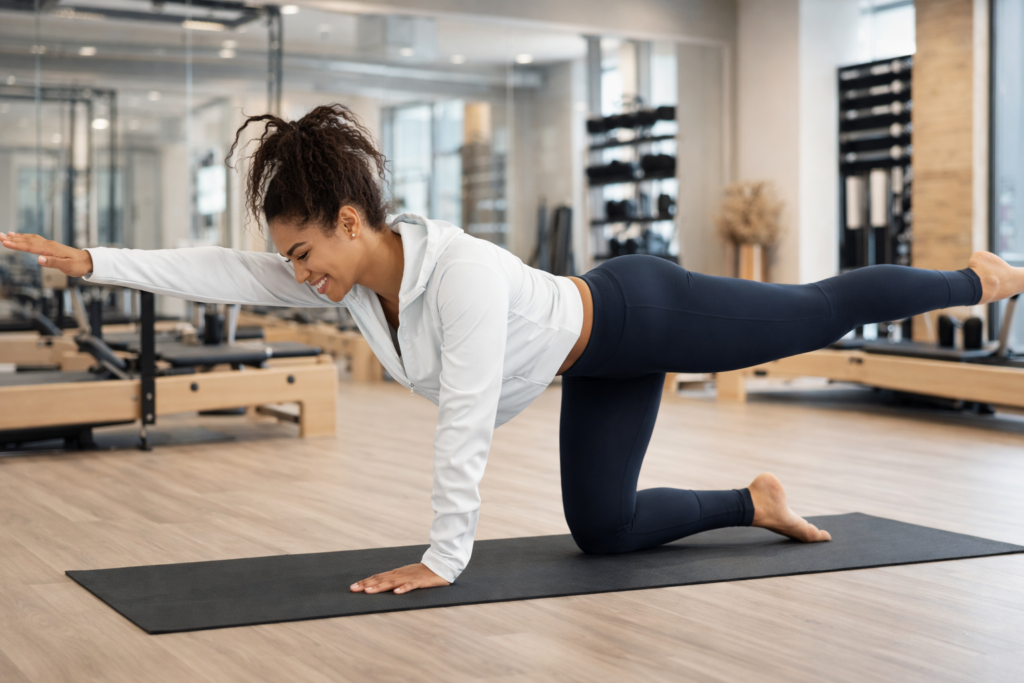
Introduction Lower body training has changed a lot in the last few years. People no longer want workouts that only leave them tired; they want sessions that improve control, movement quality, and visible performance at the same time. That is where pilates moves for legs stand out. The method focuses on precision, posture, and deep muscular engagement, which makes it a serious option for anyone looking to build a stronger and more functional lower body. Traditional gym routines can still be useful, but they often rely on heavier load, repetitive effort, and isolated force. Pilates works differently. It teaches the body how to move with intention, how to stay stable under tension, and how to use smaller support muscles that often get ignored. That difference is why pilates moves for legs can feel more complete, especially for people who want results that carry over into daily movement, not just the gym floor. Why Lower Body Training Needs a Smarter Approach Leg training is often treated like a numbers game. More weight, more reps, more fatigue. But the body does not always respond best to that formula, especially when movement quality is already limited by sitting, stress, or old compensation patterns. Strong legs are important, but controlled legs are what keep the hips, knees, and ankles working properly. Pilates changes the equation by asking the muscles to work in a more organized way. When a movement is done with control, alignment, and breath, the body begins to recruit the right muscles more efficiently. That is a big reason pilates moves for legs are useful for people who want balance as much as strength. The lower body learns to stabilize, not just push. That is one of the clearest ways pilates moves for legs separate themselves from simple leg-burning routines. This approach also helps people who feel tight, disconnected, or uneven from side to side. A workout that improves awareness can reveal weaknesses that a standard gym routine may miss. Over time, that awareness becomes part of the training result itself. How Pilates Builds Stronger Legs Without Excess Strain A lot of leg programs create stress first and improvement later. Pilates is different because it builds strength through repeated control rather than brute force. That makes it particularly appealing for people who want lower-body development without unnecessary joint pressure. The muscles work hard, but the pattern is clean and deliberate. In many cases, pilates moves for legs create more carryover than a workout that only chases fatigue. With pilates moves for legs, the body is asked to stay centered while the limbs move through space. That creates a better connection between the core and the lower body. When that connection improves, force travels more efficiently through the hips and legs. The result is not just stronger muscles, but better mechanics. That is the practical promise of pilates moves for legs when they are used with consistency. This is one reason people often notice an improved “feel” in movement before they notice visible changes. Walking, stair climbing, squatting, and standing for long periods can all become easier when the legs know how to support the body properly. Pilates develops that kind of usable strength. Core Qualities That Make the Method Different Pilates is not only about the legs. It is about how the legs connect to the pelvis, trunk, and feet. That whole-chain approach is one of the biggest reasons the method works so well. It improves the mechanics behind strength, which is often where true progress starts. 1) Better alignment Alignment is one of the biggest hidden factors in lower-body performance. If the hips tilt, the knees collapse inward, or the feet lose contact with the floor, the legs cannot work efficiently. Pilates moves for legs help the body stay stacked and organized, which gives every repetition more value. 2) Controlled range of motion Moving through a full range is useful only when the body can control that range. Pilates teaches the muscles to stay active in both shortened and lengthened positions. That is why pilates leg exercises often feel challenging even when they do not use heavy resistance. 3) Better balance under load Balance is not just about standing on one foot. It is about controlling small shifts in pressure through the body. Pilates trains that skill in a very practical way. Over time, the legs become more reliable because the body learns how to adjust without losing form. 4) Joint-friendly intensity Many people need a lower-impact training method they can repeat consistently. Pilates offers that. The work is still demanding, but it usually avoids the sharp impact and excessive compression that can come with other forms of leg training. That helps build consistency, and consistency drives results. What Happens During Pilates Leg Work When the lower body is trained through pilates moves for legs, the muscles are not simply pushed to exhaustion. They are trained to stay attentive. That difference matters. Attention improves quality. Quality improves efficiency. Efficiency leads to better movement. A typical Pilates-based leg session may ask the inner thighs to stabilize, the glutes to support the pelvis, the hamstrings to control motion, and the calves to assist with balance. At the same time, the core stays engaged so the body does not wobble through the task. That whole-body participation is what makes the work feel deeper than a basic leg circuit. The exercises may look simple from the outside, but they often demand more control than people expect. That is also why the method can expose weak links quickly. If one side is stronger than the other, or if the pelvis shifts during movement, the body usually tells on itself fast. That feedback is useful because it helps people improve before poor mechanics become routine. Why the Results Often Show Up Faster Results are not only about muscle size. They are also about how quickly the body moves better. Pilates is effective because it creates meaningful change in both areas. When the nervous system learns a
10 Best Pilates Leg Exercises for Toned Thighs and Glutes
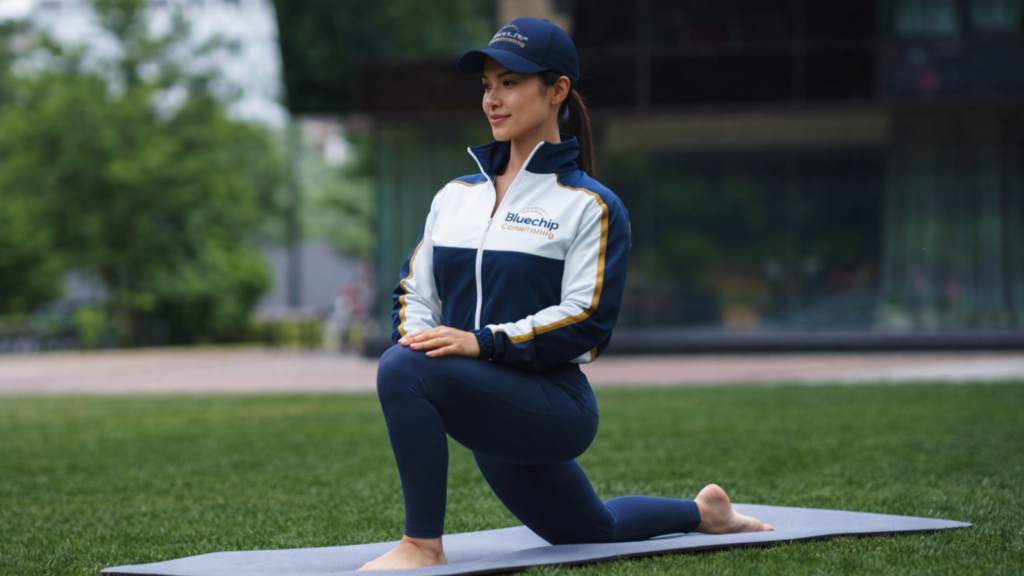
When it comes to sculpting toned thighs and lifted glutes, pilates leg exercises are one of the most effective and sustainable ways for women to build lean muscle, burn fat, and improve overall body balance. Unlike high-impact workouts, Pilates focuses on controlled movements, deep muscle activation, and proper alignment, making it ideal for beginners and experienced women alike. Pilates leg exercises help strengthen the lower body without bulky muscle gain. They emphasize long, lean lines while improving posture, flexibility, and core stability. Whether you practice at home or attend pilates classes in las vegas, Pilates offers a low-impact yet powerful solution for shaping your legs naturally. This article will walk you through the 10 best pilates leg exercises that target your thighs, glutes, and hips all no-equipment, beginner-friendly, and designed specifically for women looking for fat loss and lean muscle tone. Why Pilates Is the Best Workout for Women’s Legs Before diving into the exercises, it’s important to understand why pilates leg exercises stand out compared to traditional strength training. Benefits of Pilates for Lower Body Unlike heavy gym workouts, Pilates trains muscles to work together, not in isolation. That’s why many women prefer Pilates over conventional weight training or cardio. Many women in Las Vegas choose Pilates because it complements a busy lifestyle while delivering visible results. From home mat workouts to a professional pilates reformer studio las vegas, Pilates adapts to all fitness levels. Why Many Women Are Turning to Pilates for Stronger, Leaner Legs When people think about building toned legs, they often imagine intense gym workouts, heavy squats, or long cardio sessions. But many fitness experts now recommend Pilates as a smarter and safer way to strengthen the lower body. That’s one reason why interest in pilates in las vegas has grown so rapidly among women who want real results without putting stress on their joints. Pilates focuses on controlled movement, muscle activation, and proper alignment. Instead of simply working the surface muscles, it targets deep stabilizing muscles in the hips, thighs, and glutes. These muscles play a huge role in posture, balance, and overall body strength. When they are properly activated, the legs become stronger, more toned, and more balanced. Another reason Pilates is becoming so popular is its low-impact nature. High-impact workouts can sometimes cause knee pain or hip strain, especially for beginners. Pilates, on the other hand, uses slow and precise movements that protect the joints while still challenging the muscles. This makes it an excellent option for women of all fitness levels, from beginners to experienced athletes. In fact, many instructors teaching pilates in las vegas emphasize that consistency matters more than intensity. Even short sessions done regularly can produce visible changes in muscle tone and flexibility. Over time, the body learns to move more efficiently, which improves not only leg strength but also overall stability and coordination. Pilates also encourages mindful movement. Instead of rushing through exercises, practitioners focus on breathing, muscle engagement, and body awareness. This approach helps people connect with their muscles more effectively, which leads to better workout results. When the core and lower body work together properly, everyday movements like walking, standing, and climbing stairs become easier and more efficient. Another benefit is that Pilates workouts can be easily adapted to different environments. Some people prefer practicing at home with simple mat exercises, while others enjoy structured classes in a professional studio setting. Many participants exploring pilates in las vegas choose guided classes because instructors can correct posture and help activate the right muscles for maximum results. For those specifically looking to improve leg strength, Pilates movements like leg circles, glute bridges, side kicks, and controlled stretches are extremely effective. These exercises help tone the inner thighs, outer thighs, hamstrings, and glutes while also improving flexibility. The result is long, lean muscle definition rather than bulky muscle growth. Over time, this type of training helps reshape the lower body in a natural and balanced way. Stronger hips and thighs support the spine better, improve posture, and reduce the risk of injury during daily activities or other workouts. Because of these benefits, fitness professionals continue recommending pilates in las vegas as a sustainable approach for people who want stronger legs, better mobility, and long-term body strength without extreme workouts. 1. Pilates Leg Circles This classic move is foundational in pilates leg exercises and targets the inner thighs, hip flexors, and core. How to Perform: Benefits: 2. Side-Lying Leg Lifts Side-Lying Leg Lifts are one of the most effective Pilates movements for strengthening the outer thighs, hips, and glutes. This exercise looks simple, but when performed correctly with controlled movement and proper alignment, it activates deep stabilizing muscles and improves lower-body strength without putting pressure on the joints. One of the simplest yet most effective pilates leg exercises for glute shaping. How to Perform Side-Lying Leg Lifts Step 1: Set Up Your PositionLie on your side on a comfortable exercise mat. Keep your body in a straight line from head to feet. Rest your head on your lower arm or support it with your hand. Step 2: Align Your Body ProperlyStack your hips one above the other and keep your legs extended straight. Engage your core muscles to stabilize your spine and prevent your body from rolling forward or backward. Step 3: Prepare the Top LegPlace your top hand on the floor in front of your chest for balance. Flex your top foot slightly and keep the leg straight. Step 4: Lift the Leg SlowlyRaise your top leg upward about 12–18 inches while keeping your hips stable and your core engaged. Move slowly and avoid swinging the leg. Step 5: Hold the PositionPause briefly at the top of the movement while squeezing your outer thigh and glute muscles. Step 6: Lower with ControlSlowly lower the leg back down without letting it completely rest on the bottom leg. Step 7: Repeat the MovementPerform 10–15 controlled repetitions, then switch sides and repeat on the other leg. Benefits of Side-Lying Leg