How Pilates Workout Balls Help Injured Athletes Rebuild Strength, Control, and Confidence
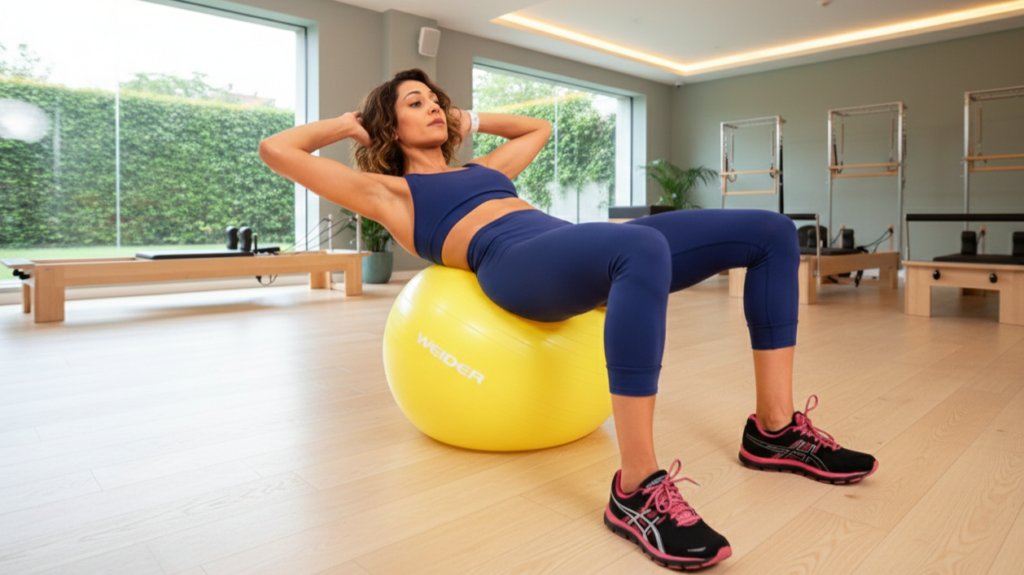
Introduction If you’re an athlete coming back from injury, pilates workout balls might feel like the last thing you need. You miss training hard.You miss sweating.You miss feeling strong and capable. Instead, you’re dealing with tight hips, a stiff back, weak muscles, and that quiet fear of getting hurt again.Your body doesn’t feel like it used to. This is where pilates workout balls quietly change everything. They don’t rush you.They don’t overload you.They help you rebuild control, strength, and trust in your body one steady movement at a time. This article is written for athletes exactly like you. The Hidden Problems Athletes Face Every Day After Injury Injury doesn’t just affect one muscle. It changes how your whole body moves. Many injured athletes deal with: You may look “fine” on the outside.But inside, your body feels disconnected. This is why rushing back to heavy training often leads to new injuries. Your body needs control before power. What Is Pilates Workout Balls and Why It Works Pilates workout balls are small, lightweight balls used during Pilates exercises. They are not for cardio.They are not for speed. They are for awareness. When you use pilates workout balls, your body has to: This is the heart of Body control training. Instead of forcing strength, you rebuild it from the inside out. For injured athletes, this approach is safe, smart, and sustainable. Ball Crunch: A Smarter Way to Build Core Strength After Injury When athletes think about core training, they often picture fast sit-ups or hard floor crunches. But after injury, those movements can feel uncomfortable or risky. That’s where the Ball Crunch comes in. It looks simple, but it teaches your body something far more important than burning abs: control. What Is a Ball Crunch? A Ball Crunch is a core exercise performed using a small Pilates ball placed under your lower or mid-back. Instead of forcing the movement, the ball supports your spine and guides you through a slow, controlled crunch. This turns a basic exercise into Body control training that protects your back and improves awareness. You’re not jerking your body up.You’re lifting with intention. Why Ball Crunch Is Safer for Injured Athletes After injury, your body often avoids certain muscles without you realizing it. The Ball Crunch helps fix that. Because the ball is unstable, your core has to engage evenly to stay balanced.This reduces strain on the neck and lower back. It’s a perfect example of Body control training because the focus stays on quality, not quantity. Slow reps.Steady breathing.Full control. How Ball Crunch Improves Athletic Recovery 1. Rebuilds Deep Core Strength The Ball Crunch activates muscles that support your spine, not just surface abs. This support is essential when returning to running, lifting, or sport-specific movements. 2. Improves Posture Without Stress As you crunch over the ball, your spine moves naturally. This helps undo stiffness caused by injury or protective movement patterns. 3. Trains the Mind-Body Connection Every rep forces you to stay present. That awareness is a key part of Body control training, especially when confidence in movement is low. How to Perform a Ball Crunch Correctly No rushing.No pulling the neck.Just smooth movement. Why Ball Crunch Fits Perfectly Into Pilates-Based Recovery The Ball Crunch blends strength, control, and safety. It’s gentle enough for recovery, yet challenging enough to build real support for athletic movement. When done correctly, it becomes more than an ab exercise it becomes a foundation builder. And for athletes coming back from injury, that foundation matters more than anything. How Pilates Workout Balls Specifically Help Injured Athletes Pilates workout balls are powerful tools during recovery because they create challenge without stress. Here’s how they help: This is core focused strength training done the right way. You’re not chasing fatigue.You’re rebuilding foundation. Why Balance Matters More Than Strength During Recovery Most injuries happen when the body loses control. Not when it’s weak. Pilates workout balls create gentle instability.That instability forces your body to respond intelligently. This turns each session into a Balance and core workout. You’re teaching your body to: That’s what real recovery looks like. Real-Life Scenario: The Runner With a Knee Injury A competitive runner comes in after knee pain stopped their training. They try gym workouts first.Heavy machines.Fast movements. Pain comes back. We slow things down with pilates workout balls. Week by week, they regain control in the hips and core.The knee stops compensating.The body moves as one unit again. That’s Body control training in action. Inner Thigh Squeeze: Small Movement, Big Support for Athletic Recovery After injury, athletes often focus on the obvious areas knees, backs, shoulders. But one important area is usually ignored: the inner thighs. The Inner Thigh Squeeze may look simple, but it plays a powerful role in rebuilding stability and control, especially during recovery. What Is the Inner Thigh Squeeze? The Inner Thigh Squeeze is performed by placing a small Pilates ball or cushion between the thighs and gently squeezing it during controlled movements. This action activates deep muscles that connect the legs, pelvis, and core. It’s a key part of core focused strength training because it trains your body to move as one unit instead of isolated parts. Why Inner Thigh Strength Matters After Injury When inner thigh muscles are weak, the body loses alignment. This can affect: During the Inner Thigh Squeeze, these muscles switch back on in a safe, low-impact way. That’s why it’s often used in core focused strength training programs designed for recovery. How the Inner Thigh Squeeze Supports Athletic Movement 1. Improves Hip and Pelvic Stability Strong inner thighs help stabilize the pelvis during walking, running, and lifting. This reduces unnecessary strain on injured areas. 2. Enhances Core Engagement Naturally The squeeze sends a signal to the deep core muscles to activate. Without forcing effort, the body creates internal support—one of the main goals of core focused strength training. 3. Reduces Compensation Patterns After injury, athletes often shift weight or movement to one side. The Inner Thigh Squeeze encourages