
Introduction
A lot of older adults do not quit moving because they lose motivation. They slow down because stiffness, balance worries, or joint discomfort make exercise feel less friendly than it used to. That is exactly where pilates for seniors stands out: it is controlled, low-impact, and built around better movement instead of punishing effort. At Blue Chip Conditioning, that same approach fits naturally with their rehab-minded, personalized style, including reformer pilates las vegas and pilates classes in las vegas for people who want guidance, confidence, and real support.
Pilates for seniors is a low-impact way to build core stability, improve posture, and move with more control. It can be a smart fit for adults who want better flexibility, balance, and confidence in daily movement. When the program is scaled correctly, it can also feel safer and more approachable than high-impact workouts.
Key Takeaways
- Small, controlled movements can make everyday tasks feel easier and safer.
- Core work matters because it supports balance, posture, and steadier movement.
- Gentle flexibility training can help older bodies move with less stiffness.
- Private or semi-private coaching can be helpful when someone wants extra attention.
- The best results usually come from consistency, not intensity.
Why This Approach Works So Well
The reason pilates for seniors gets attention is simple: it trains the body to move well before it tries to move harder. That matters because older adults often need more stability, not more strain. Pilates emphasizes controlled breathing, mindful movement, alignment, and core engagement, which are all useful for everyday strength and safer movement. Mayo Clinic notes that core work supports balance and stability, while gentle movement can help flexibility.
1. Start with breath before motion
In pilates for seniors, breath is not just a nice detail. It helps set rhythm, reduce rushing, and improve body awareness. That slower pace is especially helpful for beginners who feel nervous, stiff, or out of practice.
2. Build core support without heavy strain
A strong center helps the body stay organized during standing, walking, reaching, and twisting. That is one reason this style of training is so practical for daily life: it trains support muscles that many people ignore until they start feeling unstable. Research and clinical resources on older-adult exercise continue to point to strength and balance work as useful fall-prevention tools.
7 Smart Ways to Improve Flexibility and Core Support
1) Begin with the most comfortable version of each move
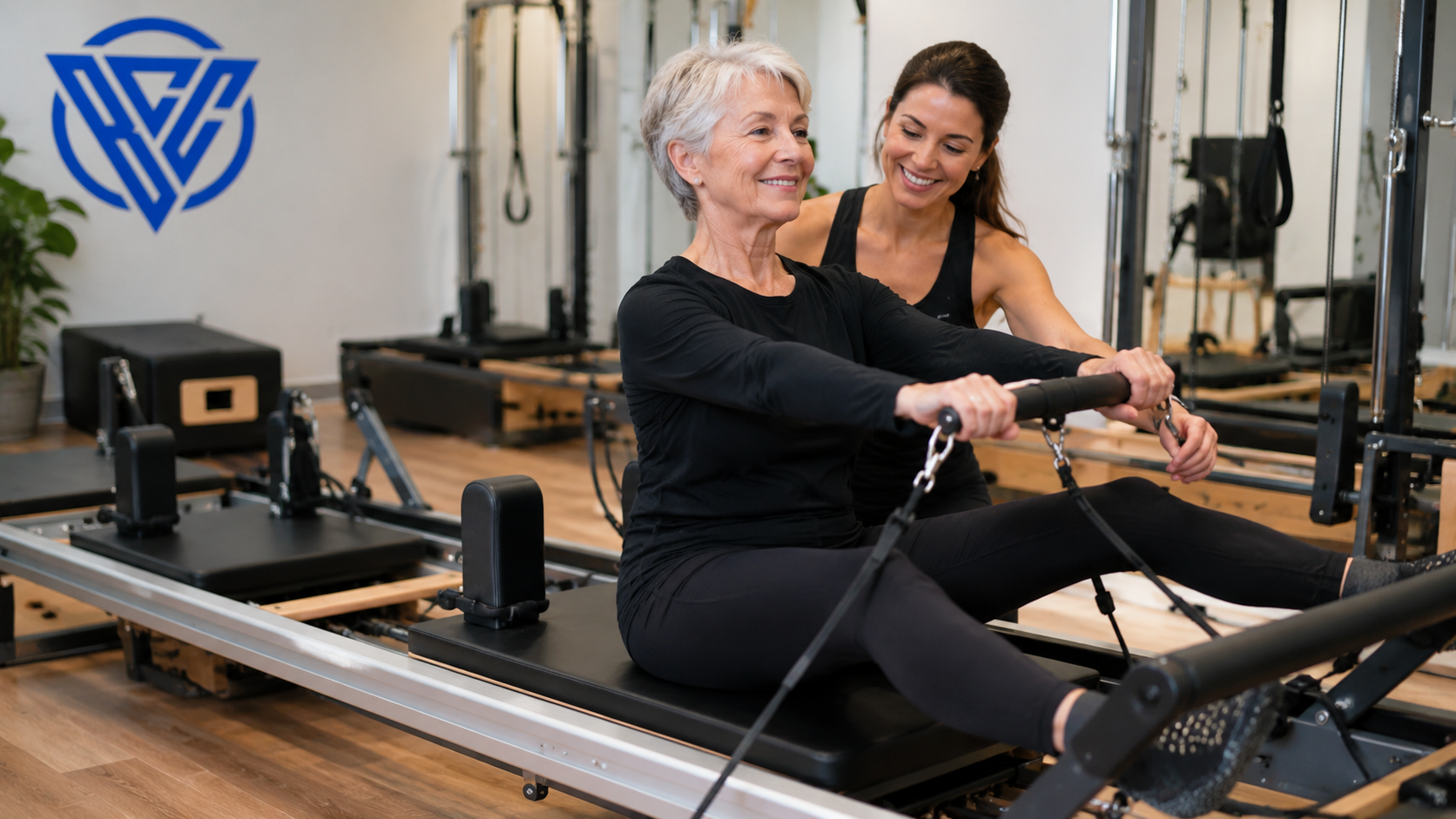
For many adults, the first win is simply learning how to move without tension. In a well-designed senior-friendly session, an instructor can shorten the range of motion, slow the pace, or use support from equipment so the body feels safe enough to open up. That is one reason reformer-based training can be a strong choice for older adults who want guided resistance instead of jumping straight into floor work. Blue Chip Conditioning offers private and semi-private options, plus beginner-friendly training that can be adapted to the person in front of the instructor.
2) Train posture as a daily habit, not a once-in-a-while fix
Poor posture usually builds slowly. So does better posture. That is why this training works best when people think of it as a practice, not a challenge. Repeated alignment work can help the shoulders, ribs, pelvis, and spine cooperate better, which often makes standing, sitting, and walking feel easier. Mayo Clinic’s fitness guidance also connects Pilates-style training with improved posture, balance, and range of motion.
3) Use controlled resistance to wake up the stabilizers
Muscles do not need to be exhausted to be useful. Sometimes they just need a clear signal. A reformer gives spring-based feedback that helps people feel where they are moving well and where they are compensating. That is a big reason reformer pilates las vegas is appealing to seniors who want support, not chaos. It can feel especially helpful when stiffness, previous injury, or fear of falling makes a person overly cautious.
4) Keep flexibility work gentle and repeatable
The goal is not to force a deeper stretch every session. The goal is to teach the body that movement is safe again. Gentle rotation, hip opening, chest expansion, and hamstring work can gradually improve mobility without the “next day regret” many people get from aggressive workouts. A review of Pilates training in older adults found improvements in flexibility, and other studies suggest possible balance benefits, though outcomes depend on the program and the person.
5) Choose the right setting for your confidence level
Some people enjoy a group atmosphere. Others do better with more eyes on them. Both can work, but the best setting depends on confidence, mobility, and prior exercise experience. At Blue Chip Conditioning, small-group classes in Las Vegas are paired with private and semi-private training so the session can match the level of attention a client actually needs. That flexibility matters for older adults who want a slower ramp-up, more feedback, or a rehab-friendly environment.
6) Make consistency the real goal
A lot of people overestimate what one hard workout can do and underestimate what eight steady weeks can do. For older adults, regular activity that includes strength and balance work is a proven part of reducing fall risk. Two well-coached sessions a week can often do more than a random burst of intense exercise followed by a long break.
7) Link every exercise to a real-life movement
This is where the method starts feeling useful fast. Reaching into a cabinet, getting up from a chair, turning to look behind you, or standing on one foot while putting on a shoe all depend on the same qualities: core support, balance, and mobility. When pilates for seniors is taught well, those daily actions become the training goal, not just the byproduct.
Comparison: What Seniors Usually Notice First
When people compare pilates for seniors with other low-impact options, the first difference is usually the level of control. Walking is excellent for general activity, but it does not always challenge the core or posture in a targeted way. Yoga can improve flexibility, but some seniors prefer the more structured support and feedback of Pilates. That is why many people exploring pilates classes in las vegas and reformer-based sessions are really looking for one thing: a guided workout that feels safe, useful, and specific to their body.
| Option | Best for | Main feel |
| Walking | General daily movement | Simple and accessible |
| Yoga | Relaxation and flexibility | Flow-based and open-ended |
| Pilates | Core support and control | Precise and structured |
| Reformer Pilates | Added feedback and resistance | Supported and guided |
Practical Use Case: A Real-World Senior Routine
Picture someone who has been sitting too much, feels tight in the hips, and avoids bending because the lower back feels unreliable. A smart pilates for seniors session would not start by pushing that person into a deep stretch. It would start with breathing, pelvic control, simple spinal movement, and supported standing work. If that person prefers extra guidance, reformer pilates las vegas can offer a more assisted start, while pilates classes in las vegas with small-group attention can make the process feel less intimidating.
Mistakes That Slow Progress
The biggest mistake is trying to move like a younger version of yourself on day one. That usually leads to frustration, soreness, or fear. Another common mistake is chasing intensity when the body actually needs control, repetition, and recovery. In pilates for seniors, progress usually looks subtle at first: easier standing balance, less stiffness in the morning, and better control during turns or step-ups. Blue Chip Conditioning’s approach is built around individualized attention, which helps reduce the “one-size-fits-all” problem many older adults run into.
Step-by-Step: How to Get Started Safely
- Start with a beginner assessment or intro session.
- Tell the instructor about stiffness, surgery history, balance concerns, or joint discomfort.
- Choose the level of support that feels calm, not overwhelming.
- Begin with simple exercises that train breath, alignment, and core activation.
- Repeat the basics until they feel smooth.
- Increase challenge only when movement stays controlled.
That step-by-step approach is what makes the method sustainable. It also fits neatly into a rehabilitation-minded studio setup, which is why reformer-based coaching often appeals to older adults who want closer guidance. Blue Chip Conditioning lists private sessions, semi-private sessions, and beginner-friendly training among its service options, so the program can be adapted to different comfort levels.
Expert Insight: What Matters More Than Flexibility
Flexibility gets attention because people can feel it quickly. But the real win is usually control. The body learns how to hold itself well while it moves, which is why the method can feel more helpful than stretching alone. That is also why instructor-led classes in Las Vegas tend to outperform generic online workouts for older adults who need feedback on alignment, breathing, and tempo.
Myth vs Fact
Myth: Pilates is only for fit people or dancers.
Fact: pilates for seniors can be scaled for beginners, older adults, and people returning after a break. Blue Chip Conditioning explicitly offers programs for all skill levels, including new clients.
Myth: Older adults should avoid reformers.
Fact: A reformer can actually be helpful because it adds support, feedback, and resistance that can make movement feel more controlled. For some people, reformer-based sessions are easier to approach than a fully unsupported floor routine.
Myth: Balance only improves with standing drills.
Fact: Core work, posture work, and controlled movement all contribute to steadier balance. That is one reason pilates for seniors is often paired with broader fall-prevention goals.
When to Seek Help Before Starting
If someone has recent surgery, severe osteoporosis, unexplained pain, dizziness, or a history of falls, they should get medical guidance before starting a new exercise plan. That is not a reason to avoid movement. It is a reason to start wisely. A thoughtful pilates for seniors program can still be a strong option, but the right starting point may be private coaching, modified positions, or a gradual return to exercise. Mayo Clinic notes that exercise choices for bone health and mobility should be matched to the person’s condition and overall health.
FAQ
Is Pilates safe for older adults?
Yes, when it is scaled to the person’s ability and health history. The safest version usually starts with basic control, slower pacing, and instructor guidance.
How often should a senior do Pilates?
Two to three times a week is a practical starting point for many people, especially beginners. Consistency matters more than chasing long or intense sessions.
Is reformer Pilates better than mat Pilates for seniors?
Not always better, but often easier to modify. The reformer can add support and feedback, while mat work can be great for simplicity and home practice.
Can Pilates help with balance?
It can help improve the muscles and movement patterns that support balance. Evidence in older adults suggests Pilates may improve balance, though results depend on the program and the individual.
What should a beginner wear to class?
Comfortable fitted clothing and grip socks are the safest, most practical choices. Loose clothing can get in the way of alignment and equipment work.
Do seniors need private classes?
Not always, but private or semi-private sessions are useful when someone wants extra correction, rehab support, or a slower pace. Blue Chip Conditioning offers both options.
Can Pilates help with posture?
Yes. Pilates emphasizes alignment, core support, and controlled movement, which can help people stand and move with better posture over time.
Conclusion
Getting older should not mean moving less confidently. The right program can help the body feel steadier, freer, and more capable again. That is the real promise behind a smart Pilates practice: not perfection, but better everyday movement that fits real life. For anyone in Las Vegas looking for expert guidance, Blue Chip Conditioning offers a supportive path that combines personalized coaching, controlled movement, and a studio environment designed to help people feel ready to keep going. If you are comparing reformer pilates las vegas with pilates classes in las vegas, a short intro visit can make the right path much clearer.