Introduction
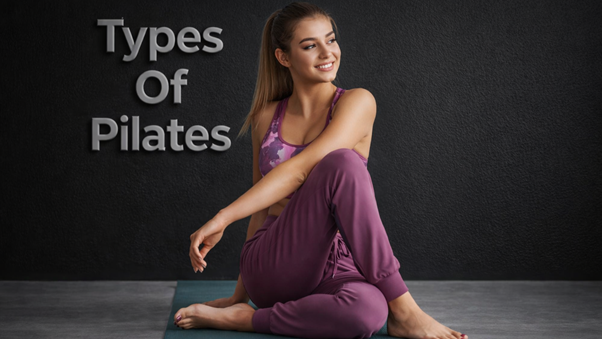
If you’re new to fitness and searching for something that builds strength, improves flexibility, and helps with fat loss without overwhelming your body, understanding the types of Pilates is the perfect place to start.
Pilates has quickly become one of the most effective and beginner-friendly workout methods worldwide. Whether you want to tone your body, lose fat, improve posture, or simply feel stronger, knowing the right types of Pilates can completely change your fitness journey.
Unlike high-intensity workouts that often feel intimidating, Pilates focuses on controlled movements, proper breathing, and mindful strength building. This makes it ideal for beginners who want real results without injury risk.
In this complete guide, you’ll learn everything about the different types of Pilates, which one is best for beginners, and how you can start your transformation today even if you have zero experience.
What is Pilates and Why is It So Effective?
Before diving into the types of Pilates, let’s understand what makes Pilates so powerful.
Pilates is a low-impact workout system designed to strengthen your core, improve flexibility, and enhance overall body control. It was created to focus on:
- Core strength (abs, lower back)
- Posture improvement
- Muscle toning without bulk
- Mind-body connection
What makes Pilates stand out is that it targets deep muscles, not just surface-level ones. This leads to lean muscle development instead of bulky muscles.
That’s why Pilates is perfect for:
- Beginners
- Fat loss seekers
- People wanting lean muscle
- Anyone avoiding heavy gym workouts
Why Understanding Types of Pilates Matters
Not all Pilates workouts are the same. There are multiple types of Pilates, and each serves a different purpose.
Choosing the wrong type can:
- Slow your progress
- Confuse you as a beginner
- Lead to inconsistent results
But choosing the right type of Pilates can:
- Speed up fat loss
- Improve flexibility faster
- Build lean muscle effectively
- Keep you consistent
1. Mat Pilates The Best Starting Point for Beginners
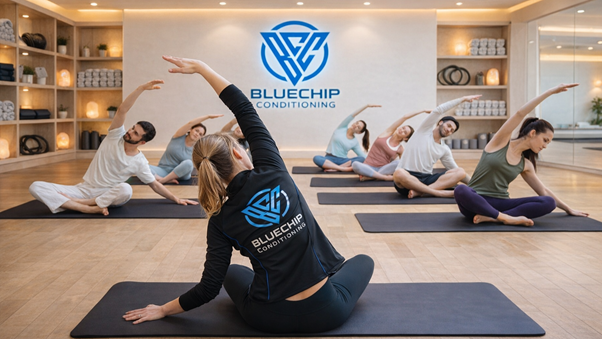
Mat Pilates is a form of exercise performed on a flat mat using your own body weight as resistance. It is based on the original method developed by Joseph Pilates and focuses on improving core strength, posture, flexibility, and body control.
What Mat Pilates Really Means
In simple terms, Mat Pilates is a floor-based workout where all movements are done lying down, sitting, or standing on a mat without large machines. Instead of heavy equipment, it relies on controlled movements, breathing, and proper alignment to strengthen the body.
Key Principles of Mat Pilates
Mat Pilates is built around a few core ideas:
- Core Activation: Strengthens the abdominal muscles, lower back, and hips
- Controlled Movements: Exercises are slow, precise, and intentional
- Breathing Technique: Proper breathing supports movement and stability
- Alignment & Posture: Focus on correct body positioning to prevent injury
How It Works
During a Mat Pilates session, you perform a series of exercises such as leg lifts, bridges, and core-focused movements. These exercises:
- Engage multiple muscle groups at once
- Improve muscle tone without adding bulk
- Enhance flexibility and balance
Benefits of Mat Pilates
- Improves core strength and stability
- Enhances posture and body alignment
- Increases flexibility and mobility
- Supports injury prevention and rehabilitation
- Suitable for all fitness levels
Who Should Choose Mat Pilates
Mat Pilates is ideal for:
- Beginners starting their fitness journey
- Individuals looking for low-impact exercise
- People wanting to improve posture or reduce back discomfort
- Those who prefer home workouts without equipment
Simple Summary
Mat Pilates is a low-impact, full-body workout that uses body weight and controlled movements to build strength, improve flexibility, and develop better posture without the need for machines.
Best for: Beginners, home workouts, no equipment training
If you’re just starting, Mat Pilates is the easiest way to explore different types of Pilates without spending money.
2. Reformer Pilates Advanced Strength and Toning
Reformer Pilates is a form of Pilates performed on a specialized machine called a reformer. It builds on the method developed by Joseph Pilates and focuses on strength, control, flexibility, and precise movement, using adjustable resistance.
What Reformer Pilates Really Means
In simple terms, Reformer Pilates is a machine-based workout where you perform exercises on a sliding platform (carriage) attached to springs. These springs create resistance, making movements either easier or more challenging depending on the setting.
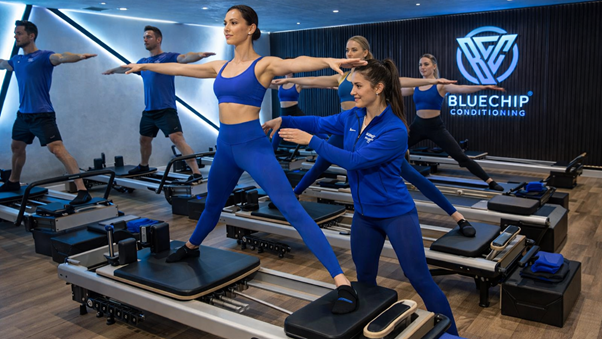
Key Components of the Reformer Machine
The reformer includes:
- Carriage: A sliding platform you lie, sit, or stand on
- Springs: Provide adjustable resistance
- Footbar: Used for pushing or supporting movements
- Straps & Pulleys: Help with arm and leg exercises
Key Principles of Reformer Pilates
Reformer Pilates follows the same foundational principles as Mat Pilates, but with added resistance:
- Core Engagement: Constant activation of abdominal and back muscles
- Controlled Resistance: Springs add intensity and support
- Precision & Alignment: Focus on correct form and posture
- Breath Control: Coordinated breathing enhances performance
How It Works
During a session, you perform a series of guided exercises using the reformer machine. These movements:
- Target multiple muscle groups simultaneously
- Provide both strength training and stretching
- Allow for a wide range of motion with support
Benefits of Reformer Pilates
- Builds lean muscle strength
- Improves flexibility and joint mobility
- Enhances balance and coordination
- Supports injury recovery and rehabilitation
- Offers customizable resistance for all fitness levels
Who Should Choose Reformer Pilates
Reformer Pilates is ideal for:
- Individuals looking for a more structured and guided workout
- People wanting faster strength and toning results
- Those recovering from injuries (under supervision)
- Anyone seeking a low-impact but effective training method
Reformer Pilates Las Vegas: A Modern Approach to Strength and Precision
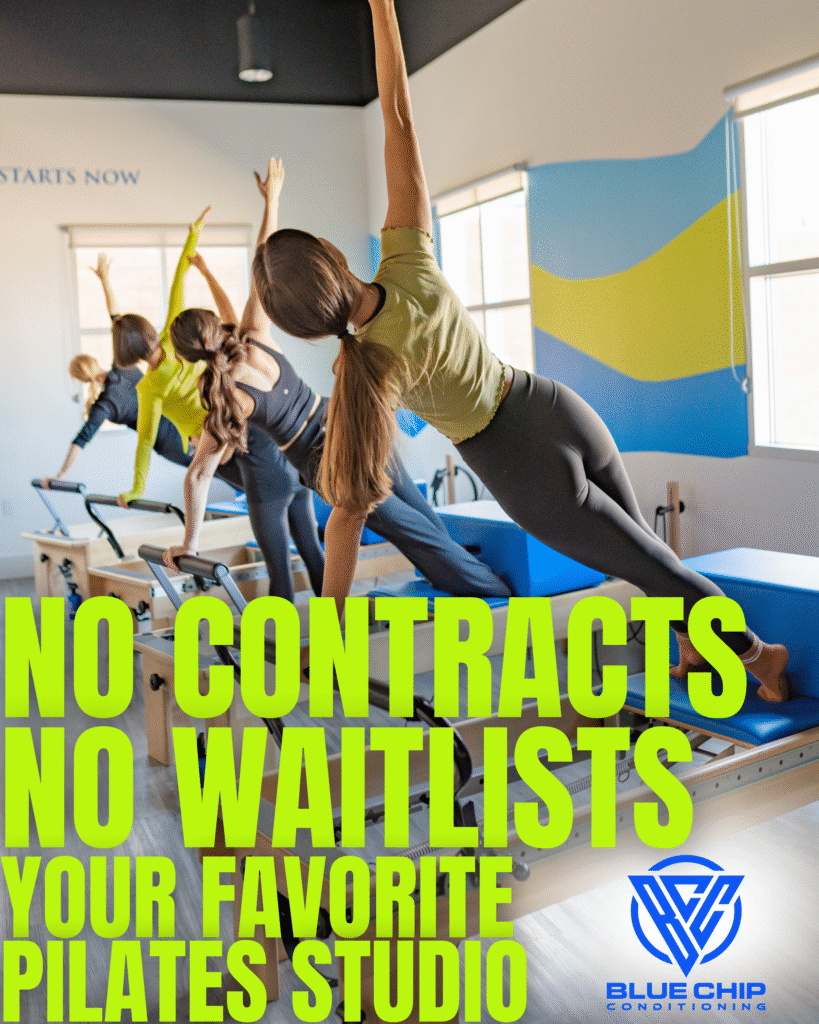
When exploring advanced types of Pilates, Reformer Pilates Las Vegas stands out as one of the most effective and results-driven options. Unlike traditional mat-based workouts, reformer Pilates uses a specialized machine designed with springs, pulleys, and a sliding carriage to provide controlled resistance and support.
This method allows beginners and experienced individuals alike to perform exercises with better alignment, improved control, and reduced strain on joints. One of the biggest advantages of reformer pilates las vegas is its ability to adapt resistance levels, making it suitable for everything from rehabilitation to strength training and lean muscle development.
Professionally guided sessions ensure that each movement is performed with precision, helping you activate deeper muscle groups that are often missed in regular workouts. This leads to faster toning, improved posture, and a stronger core without the risk of overtraining.
For anyone looking to upgrade from basic Pilates and experience a more structured, effective workout, reformer Pilates offers a perfect balance of strength, flexibility, and control all within a safe and supportive environment.
Simple Summary
Reformer Pilates is a machine-assisted, low-impact workout that uses spring resistance to strengthen muscles, improve flexibility, and enhance overall body control with greater precision.
Best for: Strength training, toning, guided workouts
If you want faster results and access to studios, this is one of the most effective types of Pilates.
Mat Pilates vs Reformer Pilates
| Aspect | Mat Pilates | Reformer Pilates |
| Equipment | Performed on a mat using body weight | Uses a reformer machine with springs, straps, and pulleys |
| Resistance Type | Body weight only | Adjustable spring resistance |
| Difficulty Level | Beginner to intermediate | Beginner to advanced (easier to scale) |
| Guidance Needed | Can be self-practiced at home | Usually requires a trainer or studio |
| Cost | Low (minimal or no equipment) | Higher (machine + studio sessions) |
| Muscle Engagement | Strong focus on core | Full-body engagement with added resistance |
| Flexibility Support | Moderate | Higher due to assisted movements |
| Injury Rehab | Good for general fitness | Better for rehabilitation (controlled resistance) |
Key Difference (In Simple Terms)
- Mat Pilates: You challenge your body using your own strength and control
- Reformer Pilates: The machine assists and resists your movements, making exercises more versatile and targeted
Which One Should You Choose?
Choose Mat Pilates if:
- You are a beginner
- You want a simple, home-based workout
- You prefer low-cost fitness
- Your goal is general fitness, flexibility, and posture
Choose Reformer Pilates if:
- You want faster strength and toning results
- You prefer guided, structured workouts
- You are recovering from an injury (under supervision)
- You want more variety and resistance training
3. Clinical Pilates Perfect for Injury Recovery
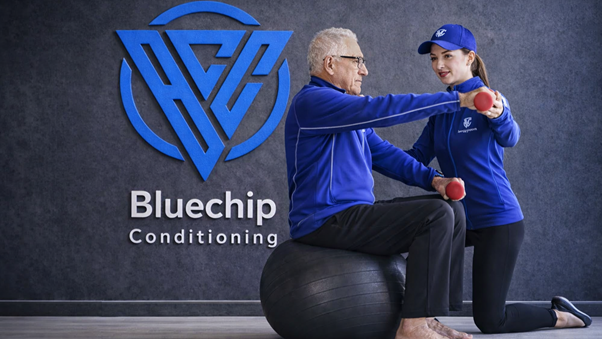
Clinical Pilates is a specialized form of Pilates designed for injury recovery, pain management, and rehabilitation. It is typically guided by trained physiotherapists and is tailored to an individual’s specific condition, such as back pain, joint issues, or post-surgery recovery. Unlike general Pilates, it focuses on corrective exercises, controlled movements, and proper alignment to safely rebuild strength, improve mobility, and prevent further injury. By targeting weak or imbalanced muscles, Clinical Pilates helps restore normal movement patterns and supports long-term physical health.
What is Clinical Pilates?
It’s guided by physiotherapists and focuses on:
- Injury recovery
- Pain relief
- Muscle imbalances
Benefits
- Helps back pain
- Improves joint health
- Safe for beginners
Best for: Rehab, injury recovery, pain management
This is one of the safest types of Pilates for people with physical limitations.
4. Contemporary Pilates Modern and Dynamic Approach
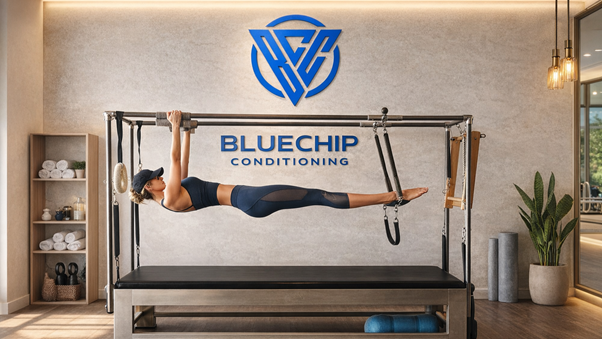
Contemporary Pilates is a modern evolution of traditional Pilates that combines the original principles developed by Joseph Pilates with the latest insights from exercise science, physiotherapy, and biomechanics. It focuses on improving strength, flexibility, posture, and functional movement while adapting exercises to suit individual needs and fitness levels. Unlike classical Pilates, it allows more variation in movements and may incorporate props or modified techniques to enhance safety and effectiveness. Contemporary Pilates is widely
used in both fitness and rehabilitation settings, making it a versatile and personalized approach to overall body conditioning.
What Makes It Different?
- Combines science-based techniques
- More flexible than classical Pilates
- Includes new variations
Benefits
- More dynamic workouts
- Better adaptability
- Faster results for modern fitness goals
Best for: Beginners who want variety
This is one of the evolving types of Pilates gaining popularity globally.
5. Classical Pilates Traditional and Structured
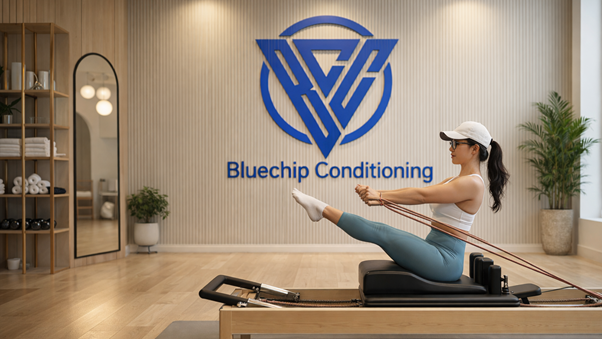
Classical Pilates is the traditional form of Pilates that strictly follows the original method developed by Joseph Pilates. It is performed using a set sequence of exercises in a specific order, whether on a mat or specialized equipment, with a strong emphasis on precision, control, breathing, and flow. Unlike modern variations, Classical Pilates stays true to its original structure without modifications, aiming to build core strength, improve posture, and create balanced muscle development through consistent and disciplined practice.
Key Features
- Fixed sequence of exercises
- Strict form and technique
- Focus on discipline
Benefits
- Strong foundation
- Consistent progress
- Deep core strength
Best for: People who prefer structured workouts
Among all types of Pilates, this is the most traditional.
6. STOTT Pilates Focus on Posture and Safety
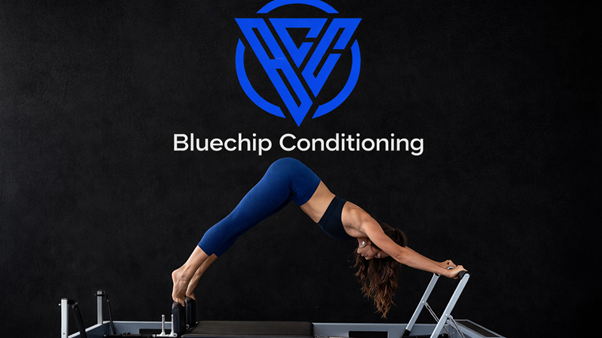
STOTT Pilates is a modern approach to Pilates that enhances the original method developed by Joseph Pilates by incorporating principles of contemporary exercise science and spinal rehabilitation. It places a strong emphasis on maintaining a neutral spine position, rather than a fixed posture, to reduce strain and improve safety. This method focuses on controlled movements, proper alignment, and muscle balance, making it especially suitable for individuals with posture issues or those recovering from minor injuries. STOTT Pilates is widely used in both fitness and clinical settings for its safe, adaptable, and scientifically informed approach to strengthening and conditioning the body.
What Makes It Unique?
- Safer techniques
- Modern posture alignment
- Scientifically updated movements
Benefits
- Reduces injury risk
- Improves posture
- Ideal for beginners
Best for: Posture correction and safe training
7. Wall Pilates Beginner-Friendly Home Workout
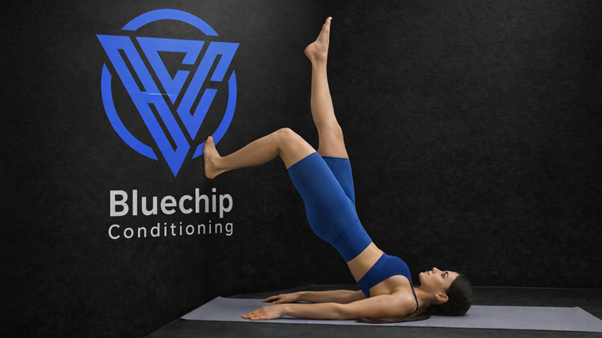
Wall Pilates is a variation of Pilates where exercises are performed using a wall as support and resistance, instead of traditional equipment. It is inspired by the principles developed by Joseph Pilates and focuses on core strength, balance, posture, and controlled movement. The wall helps maintain proper alignment, provides stability, and can make exercises either easier or more challenging depending on the movement. This makes Wall Pilates especially suitable for beginners, home workouts, and individuals looking for low-impact training with added support and guidance.
Benefits
- Beginner-friendly
- No equipment needed
- Great for fat loss
- Improves balance
Best for: Home workouts, beginners
Simple Breakdown of Types of Pilates
- Main Types:
- Mat Pilates
- Reformer Pilates
- Other Variations:
- Clinical Pilates
- Contemporary Pilates
- Classical Pilates
- STOTT Pilates
- Wall Pilates
Which Type of Pilates is Best for Beginners?
If you’re starting from zero, go step-by-step:
Start With:
- Mat Pilates
- Wall Pilates
Move To:
- Reformer Pilates
Advanced Options:
- Contemporary or Classical Pilates
Pilates for Fat Loss and Lean Muscle
One of the biggest reasons people explore different types of Pilates is fat loss.
How Pilates Helps Fat Loss
- Activates core muscles
- Burns calories steadily
- Improves metabolism
- Reduces stress (less fat storage)
Lean Muscle Benefits
- Builds toned body
- No bulky muscles
- Improves body shape
Why Pilates is Better Than Traditional Workouts
Compared to gym workouts:
| Pilates | Gym |
| Low impact | High impact |
| Beginner-friendly | Can be intense |
| Focus on posture | Focus on weight |
| Builds lean muscle | Builds bulk |
That’s why many people are switching to pilates classes in las vegas and similar studios worldwide.
How to Start Pilates as a Beginner
Step 1: Choose the Right Type
Start with basic types of Pilates like Mat or Wall Pilates.
Step 2: Learn Basic Movements
Focus on:
- Breathing
- Core activation
- Slow control
Step 3: Stay Consistent
Consistency matters more than intensity.
Step 4: Upgrade Slowly
Move to advanced types of Pilates like reformer workouts.
Common Mistakes Beginners Make
- Skipping basics
- Rushing movements
- Ignoring breathing
- Inconsistent practice
Avoiding these will help you get better results from all types of Pilates.
Why Pilates is Trending Worldwide
From celebrities to beginners, everyone is choosing Pilates because:
- It’s sustainable
- It gives visible results
- It’s beginner-friendly
- It improves both body and mind
Studios like reformer pilates las vegas are growing because people prefer guided and effective workouts.
Pilates in Las Vegas: A Growing Fitness Trend for Beginners and Experts
If you’re looking to start your fitness journey in a supportive and results-driven environment, Pilates in Las Vegas has become one of the most popular choices for both beginners and experienced individuals. With a wide range of studios and training styles available, you can easily find sessions that match your fitness level and personal goals.
One of the biggest advantages of choosing pilates in las vegas is access to professionally guided classes that focus on proper form, controlled movement, and long-term results. Whether you prefer Mat Pilates for simplicity or Reformer Pilates for advanced strength training, Las Vegas offers structured programs designed to improve flexibility, build lean muscle, and support fat loss.
With expert instruction and a motivating environment, Pilates in this setting becomes more than just a workout it becomes a complete body transformation experience that is safe, effective, and sustainable.
How Bluechip Conditioning Helps You Get Started
If you’re serious about transforming your body, bluechip conditioning provides expert-level guidance and structured Pilates programs.
With proper coaching and the right types of Pilates, you can:
- Lose fat faster
- Build lean muscle
- Improve flexibility
- Stay consistent
Frequently Asked Questions
1. What are the different types of Pilates and how do they differ?
The main types of Pilates include Mat Pilates and Reformer Pilates, along with variations like Clinical, Contemporary, Classical, STOTT, and Wall Pilates. The difference lies in equipment, intensity, and purpose. Mat Pilates uses body weight and is ideal for beginners, while Reformer Pilates uses machines for resistance and is more advanced. Clinical Pilates focuses on rehabilitation, while Contemporary and Classical Pilates differ in style and structure. Each type serves a unique goal, from fat loss to posture correction.
2. Which type of Pilates is best for beginners with no experience?
For complete beginners, Mat Pilates and Wall Pilates are the best types of Pilates to start with. These require no equipment, are easy to follow, and help build a strong foundation. They focus on basic movements, breathing, and core engagement, which are essential before moving to more advanced forms like reformer workouts.
3. Can Pilates help with weight loss and fat reduction?
Yes, all types of Pilates can support weight loss when done consistently. Pilates helps burn calories, improves metabolism, and builds lean muscle, which increases fat-burning capacity. While it may not burn as many calories as high-intensity workouts, it creates long-term fat loss by improving body composition and reducing stress levels.
4. What is the difference between Mat Pilates and Reformer Pilates?
Mat Pilates is performed on the floor using body weight, making it simple and beginner-friendly. Reformer Pilates uses a specialized machine with springs and resistance, offering a more intense workout. Among all types of Pilates, Mat Pilates is best for starting out, while Reformer Pilates provides faster toning and strength once you progress.
5. How often should beginners practice Pilates to see results?
Beginners should practice types of Pilates at least 3–4 times per week. With consistent effort, most people start noticing improvements in flexibility, posture, and strength within 2–4 weeks. Visible fat loss and muscle toning typically appear after 4–6 weeks.
6. Do I need equipment to start Pilates at home?
No, many types of Pilates such as Mat Pilates and Wall Pilates require no equipment. You can start with just a yoga mat and your body weight. As you progress, you can add small props like resistance bands or explore Reformer Pilates in a studio setting.
7. Is Pilates better than gym workouts for beginners?
For beginners, Pilates is often better because it is low-impact, easier to learn, and focuses on correct posture and controlled movement. Unlike traditional gym workouts, types of Pilates reduce injury risk and build a strong foundation before moving into more intense training.
8. How long does it take to see results from Pilates?
With regular practice of the right types of Pilates, you can feel improvements in strength and flexibility within 2 weeks. Visible changes such as toned muscles and fat loss usually take 4–8 weeks, depending on consistency and lifestyle.
9. Can Pilates help with back pain and posture correction?
Yes, certain types of Pilates, especially Clinical Pilates and STOTT Pilates, are designed to improve posture and reduce back pain. They strengthen the core and align the spine, which helps relieve pressure on the back and improves overall body mechanics.
10. Why should I join professional Pilates classes instead of learning online?
While online learning is helpful, joining professional sessions like bluechip conditioning gives you expert guidance, proper form correction, and structured progression. In guided pilates classes in las vegas, you avoid common mistakes, reduce injury risk, and achieve faster, more effective results compared to learning alone.
Final Thoughts: Start Your Pilates Journey with the Right Guidance
Choosing the right types of Pilates is not just about picking a workout it’s about choosing a smarter, safer, and more sustainable way to transform your body. As a beginner, the biggest advantage you have is starting correctly. When you understand the fundamentals and follow the right approach, Pilates becomes more than just exercise it becomes a lifestyle that builds strength, improves flexibility, and reshapes your body with precision.
From Mat Pilates to advanced reformer sessions, every style plays a role in helping you achieve fat loss, lean muscle development, and better posture. The key is consistency, proper technique, and expert guidance. Without the right direction, even the best types of Pilates may not deliver the results you expect.
That’s exactly where Bluechip Conditioning stands out.
At Bluechip Conditioning, you don’t just attend workouts — you experience professionally designed Pilates training tailored for beginners and progressing individuals. Whether you are exploring Pilates for the first time or looking to upgrade your routine, our expert-led sessions ensure you learn the correct form, avoid common mistakes, and get real, visible results.
Our pilates classes in las vegas are structured to help you:
- Build strong core foundations
- Lose fat effectively
- Develop lean, toned muscles
- Improve posture and flexibility
- Gain confidence in every movement
If you’re ready to experience the real power of Pilates and explore the most effective types of Pilates in a guided, supportive environment, then Bluechip Conditioning is a must-visit.
- Don’t just read about Pilates experience it the right way.
- Join Bluechip Conditioning today and take the first step toward a stronger, healthier, and more confident version of yourself.