
Introduction
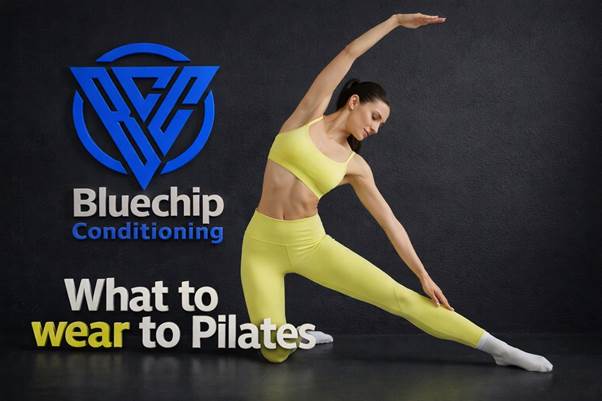
When starting your fitness journey, one of the most common questions people ask is what to wear to Pilates. While it may seem like a simple decision, the right clothing plays a crucial role in how effectively you perform each movement. Pilates focuses on controlled exercises, posture alignment, and core engagement, which means your outfit needs to support flexibility, comfort, and precision. Choosing the correct attire can significantly enhance your overall workout experience and help you achieve better results.
Understanding what to wear to Pilates is especially important for beginners who want to avoid discomfort and distractions during their sessions. Unlike high-intensity gym workouts, Pilates requires smooth transitions, stretching, and balance. Wearing tight, restrictive, or overly loose clothing can limit your movement and make it difficult to maintain proper form. This is why the best pilates instructors always recommend outfits that are breathable, stretchable, and well-fitted to allow full range of motion.
In professional environments such as pilates vegas studios or a pilates class las vegas, your clothing choice also contributes to how instructors assess your posture and technique. Proper attire allows trainers to observe your alignment and make necessary corrections, ensuring you perform each exercise safely and effectively. Even in premium setups like studio rental las vegas, wearing the right outfit enhances both comfort and confidence.
Ultimately, knowing what to wear to Pilates is not just about appearance it directly impacts your performance, safety, and results. Whether your goal is fat loss, building lean muscle, or improving flexibility, the right clothing will help you stay focused, move freely, and get the most out of every Pilates session.
Why Choosing the Right Pilates Outfit Matters
Before diving into specifics, let’s understand why what to wear to Pilates is so important.
1. Improves Movement & Flexibility
Pilates involves stretching, bending, and controlled motion. Tight or restrictive clothing can limit your range of motion.
2. Helps Maintain Proper Form
Form is everything in Pilates. The best pilates instructors always emphasize wearing fitted clothes so they can observe posture and alignment.
3. Prevents Discomfort & Injury
Loose or inappropriate clothing can shift, bunch up, or even cause slips, especially during mat exercises.
4. Boosts Confidence
When you feel comfortable, you perform better. The right outfit can increase focus and motivation.
What to Wear to Pilates: Complete Outfit Breakdown
Let’s break down what to wear to Pilates step-by-step so you can build the perfect workout outfit.
1. Bottom Wear: The Foundation of Your Outfit
Bottom wear is one of the most important parts of your Pilates outfit because it directly affects your comfort, flexibility, and movement control during exercises. Since Pilates involves stretching, bending, and core-focused movements (based on the method developed by Joseph Pilates), the right bottoms help you move smoothly and maintain proper form.
What to Wear (Best Options)
1. Leggings / Yoga Pants
- Most recommended choice
- Stretchable and body-fitting
- Allows full range of motion
Ideal for both beginners and advanced users
2. Fitted Joggers
- Slightly loose but still comfortable
- Good for people who don’t prefer tight clothing
Best for casual or home workouts
3. Capris (3/4 Length Pants)
- End below the knee
- Comfortable for warm weather
Great for flexibility and ventilation
Why Bottom Wear Matters
- Helps maintain proper posture and alignment
- Allows instructors to observe your form clearly
- Prevents fabric from getting in the way during exercises
- Supports smooth and controlled movement
What to Wear to Pilates for Different Goals: what to wear to pilates
Fat Loss, Strength & Flexibility
When deciding what to wear to Pilates, it’s important to understand that your fitness goals can influence your clothing choices. While the basics remain the same, slight variations in your outfit can help improve performance depending on whether your focus is fat loss, building lean muscle, or improving flexibility.
For individuals aiming for fat loss, choosing sweat-friendly and breathable clothing is essential. During intense Pilates sessions, your body temperature rises, and wearing moisture-wicking fabrics helps regulate sweat and keeps you comfortable. This is why understanding what to wear to Pilates becomes crucial for maintaining consistency in your workouts. Lightweight leggings paired with a fitted top allow your body to move freely while keeping distractions to a minimum.
If your goal is to build lean muscle, your clothing should allow clear visibility of muscle engagement. Fitted outfits help you observe how your muscles contract and stretch during each movement. This is another reason why experts emphasize what to wear to Pilates as a key factor in improving workout efficiency. Compression-style leggings and supportive tops are ideal because they provide both comfort and stability.
For those focusing on flexibility and mobility, the priority should be unrestricted movement. Stretchable fabrics that move with your body are the best choice. When selecting what to wear to Pilates, always check if your clothing allows deep stretches, lunges, and controlled movements without resistance. Soft, elastic materials enhance your ability to perform exercises with proper form.
Another important factor to consider when choosing what to wear to Pilates is the type of session you are attending. Mat Pilates, which is often beginner-friendly and requires no equipment, demands simple and comfortable clothing. In this case, basic leggings and a breathable T-shirt are more than enough. Since movements are performed on the floor, avoiding zippers, buttons, or thick seams is highly recommended.
On the other hand, if you are attending a studio session, your approach to what to wear to Pilates should be slightly more refined. Studio environments often focus on precision and technique, so wearing fitted and high-quality activewear becomes more important. It not only enhances your performance but also allows instructors to correct your posture effectively.
Comfort should always be your top priority when deciding what to wear to Pilates. Even the most stylish outfit will not be useful if it causes discomfort during movement. Always test your clothing by stretching, bending, and moving around before your session. This simple step ensures that your outfit supports your workout instead of limiting it.
Breathability is another key element that should not be ignored. When thinking about what to wear to Pilates, fabrics like cotton blends or moisture-wicking materials are ideal choices. These fabrics help keep your body cool and dry, especially during longer sessions. Avoid heavy or non-breathable materials, as they can lead to discomfort and reduced performance.
In addition to functionality, confidence also plays a role in choosing what to wear to Pilates. When you feel good in what you’re wearing, it naturally boosts your motivation and focus. A well-fitted outfit that complements your body can enhance your overall workout experience and encourage consistency.
Layering is another practical aspect to consider. While deciding what to wear to Pilates, adding a light jacket or hoodie for warm-ups and cool-downs can be beneficial. It helps maintain body temperature before and after your workout without interfering with your movements during the session.
Lastly, always remember that simplicity is key. You don’t need expensive or overly branded clothing to perform well. The most important thing when choosing what to wear to Pilates is that your outfit supports your movement, keeps you comfortable, and allows you to focus entirely on your workout.
By understanding your goals and prioritizing comfort, flexibility, and performance, you can make smarter decisions about what to wear to Pilates. The right outfit not only improves your workout efficiency but also helps you stay consistent and achieve better results over time.
Key Features to Look For
- Stretchable fabric → allows easy movement
- High waistband → provides core support
- Breathable material → keeps you comfortable
- Non-slip fit → stays in place during exercises
What to Avoid
- Loose or baggy pants (can interfere with movement)
- Jeans or stiff fabrics (restrict flexibility)
- Pants with zippers or thick seams (cause discomfort on mat)
2. Top Wear: Comfort Meets Functionality
Top wear in Pilates plays a key role in ensuring comfort, flexibility, and proper body alignment during exercise. Since Pilates (developed by Joseph Pilates) focuses on controlled movements and posture, wearing the right top helps you move freely while allowing clear visibility of your form.
What to Wear (Best Options)
1. Fitted T-Shirt
- Comfortable and easy to wear
- Not too loose or baggy
- Allows free movement
Ideal for beginners and everyday sessions
2. Tank Top / Sleeveless Top
- Provides better arm movement
- Keeps you cool during workouts
Great for flexibility and warm environments
3. Sports Bra (for women)
- Provides proper support
- Can be worn alone or under a top
Essential for comfort and stability
Why Top Wear Matters
- Helps instructors see your posture and alignment clearly
- Prevents fabric from interfering with movements
- Keeps you comfortable and sweat-free
- Supports smooth and controlled exercise performance
Key Features to Look For
- Breathable fabric → keeps you cool
- Moisture-wicking material → absorbs sweat
- Snug fit (not too tight) → supports movement
- Stretchable material → allows full range of motion
What to Avoid
- Loose or oversized tops (can flip during exercises)
- Heavy or thick fabrics
- Shirts with zippers, buttons, or rough seams
- Non-stretchable materials
3. Footwear: Barefoot or Grip Socks
Footwear in Pilates is different from most workouts because it is typically performed without shoes. This approach, based on the principles developed by Joseph Pilates, helps improve balance, control, and connection with the floor, which are essential for proper movement and posture.
What to Wear (Best Options)
1. Barefoot (Most Recommended)
- Provides direct contact with the floor or mat
- Improves balance and stability
- Allows natural foot movement
Ideal for most Pilates sessions
2. Grip Socks
- Special socks with non-slip soles
- Provide better traction on smooth surfaces
- Keep feet warm and hygienic
Best for studio classes or slippery floors
Why Footwear Matters
- Enhances balance and coordination
- Improves control during movements
- Helps maintain proper alignment and posture
- Reduces risk of slipping
Key Features to Look For (if using socks)
- Non-slip grip → prevents sliding
- Comfortable fit → not too tight or loose
- Breathable material → keeps feet comfortable
What to Avoid
- Running shoes or sneakers (restrict foot movement)
- Slippery socks without grip
- Heavy footwear
- Sandals or flip-flops
A unique part of what to wear to Pilates is that you usually don’t wear shoes.
Best Choices:
- Barefoot
- Grip socks
Why?
- Improves balance and stability
- Enhances control during movements
- Prevents slipping
In most pilates class las vegas studios, barefoot training is the standard practice.
4. Optional Add-Ons
Optional add-ons in Pilates are extra clothing or accessories that are not mandatory but can enhance your comfort, convenience, and overall workout experience. While Pilates itself (developed by Joseph Pilates) focuses on controlled movement and simplicity, these add-ons can make your sessions more comfortable, especially in different environments.
Common Optional Add-ons
1. Light Jacket or Hoodie
- Useful during warm-up or cool-down
- Helps keep muscles warm before exercise
Ideal for colder environments or early morning sessions
2. Sweat Towel
- Helps wipe sweat during workouts
- Maintains hygiene and comfort
Especially useful for longer sessions
3. Water Bottle
- Keeps you hydrated throughout the session
- Important even for low-impact workouts
Sip water between exercises
4. Hair Accessories (for long hair)
- Hair ties, bands, or clips
- Keeps hair away from face during movement
Improves focus and comfort
5. Grip Socks (if not already used)
- Adds extra stability and hygiene in studios
6. Pilates Mat (for home workouts)
- Provides cushioning and support
- Ensures better comfort during floor exercises
Why Optional Add-ons Matter
- Improve overall comfort and focus
- Support better hygiene and safety
- Help you stay prepared and relaxed during workouts
What to Keep in Mind
- Keep it minimal and practical
- Avoid carrying unnecessary items
- Choose items that support your workout, not distract you
Key Features to Look for in Pilates Clothing
When figuring out what to wear to Pilates, focus on these essential features:
1. Stretchability
Allows full range of motion for exercises.
2. Breathability
Keeps you cool during intense sessions.
3. Moisture-Wicking Fabric
Helps with sweat management.
4. Snug Fit
Supports posture and alignment.
5. Minimal Design
Avoid zippers, buttons, or thick seams.
What NOT to Wear to Pilates
Knowing what to avoid is just as important as knowing what to wear to Pilates.
- Baggy clothes – they interfere with movement
- Jeans or stiff fabrics – restrict flexibility
- Heavy clothing – causes overheating
- Slippery socks – increase injury risk
- Accessories – can be distracting or unsafe
How the Right Outfit Supports Fat Loss & Lean Muscle
Your choice of clothing directly impacts your results.
1. Better Muscle Activation
Fitted clothing helps you feel muscle engagement during exercises.
2. Improved Workout Efficiency
No distractions = better focus = more calories burned.
3. Enhanced Posture Control
Correct alignment leads to better fat loss and lean muscle development.
This is why the best pilates instructors always emphasize proper attire as part of training.
Beginner-Friendly Pilates Outfit Tips
If you’re new and wondering what to wear to Pilates, keep it simple:
- Start with basic leggings and a fitted T-shirt
- Avoid expensive gear initially
- Focus on comfort over style
- Choose breathable fabrics
Many beginners in pilates vegas studios start with minimal gear and gradually upgrade.
What to Wear to Pilates in Different Settings
1. Studio Sessions
For pilates class las vegas, go for:
- High-quality leggings
- Grip socks
- Breathable tops
2. Home Workouts (No Equipment)
- Comfortable yoga pants
- Simple T-shirt
- Barefoot training
Perfect for beginners focusing on fat loss and lean muscle.
3. Outdoor Pilates
- Lightweight clothing
- Sweat-resistant fabrics
- Layering options
Expert Tips from Best Pilates Instructors
Here’s what the best pilates instructors suggest:
- Wear clothes that allow full visibility of your body alignment
- Avoid distractions caused by uncomfortable outfits
- Choose quality over quantity
- Always prioritize function over fashion
These tips are widely followed in professional pilates class las vegas studios.
How Pilates Clothing Impacts Performance
You might not realize it, but what to wear to Pilates can affect:
- Balance
- Stability
- Muscle engagement
- Endurance
Proper clothing ensures you get the most out of every session.
Why Pilates is the Best Workout Choice
Since you want to highlight Pilates as the best, here’s why:
1. Beginner-Friendly
No experience required.
2. No Equipment Needed
You can start anywhere.
3. Supports Fat Loss
Burns calories while building strength.
4. Builds Lean Muscle
Focuses on controlled movements.
5. Improves Posture & Flexibility
Long-term health benefits.
This is why pilates vegas is growing rapidly among fitness enthusiasts.
Studio Experience & Environment
If you’re attending sessions in a studio rental las vegas, your outfit becomes even more important.
- Clean and professional look
- Comfortable for longer sessions
- Suitable for group classes
Studios often maintain a premium environment, so dressing appropriately enhances your experience.
Common Mistakes Beginners Make
When choosing what to wear to Pilates, avoid these:
- Wearing oversized clothes
- Ignoring fabric quality
- Choosing style over comfort
- Not considering sweat management
Pro Tips for Maximum Comfort
- Always test your outfit before class
- Stretch in your clothes to check flexibility
- Choose neutral colors for a professional look
- Invest in 2–3 good outfits instead of many cheap ones
Conclusion
Choosing what to wear to Pilates is more than just a style decision—it’s a key factor in how effectively you perform, move, and achieve results. The right outfit supports flexibility, enhances posture, and allows you to fully engage your muscles during every session. Whether your focus is fat loss, building lean muscle, or simply starting a beginner-friendly routine with no equipment, proper Pilates clothing ensures you stay comfortable, confident, and distraction-free.
As recommended by the best pilates instructors, wearing fitted, breathable, and stretchable clothing helps improve alignment and overall performance. This becomes even more important when attending a pilates class las vegas or training in top-tier pilates vegas studios, where precision and technique are essential. Even in professional environments like studio rental las vegas, the right attire reflects your commitment and enhances your overall workout experience.
At Bluechip Conditioning, we go beyond just guiding you on what to wear to Pilates. Our expert-led sessions are designed to deliver real results through structured training, personalized attention, and a supportive environment. Recognized among the best pilates instructors, our team focuses on helping you achieve your fitness goals with proper technique, effective routines, and a professional approach.
If you’re looking to transform your body, improve posture, and experience high-quality training in pilates vegas or a premium pilates class las vegas, Bluechip Conditioning is your go-to destination. From beginners to advanced individuals, we provide the best services tailored to your needs—because the right guidance, combined with the right approach, makes all the difference.
FAQs
1. What is the best outfit for Pilates beginners?
Fitted leggings and a breathable T-shirt are ideal for beginners.
2. Can I wear loose clothes for Pilates?
No, loose clothes can interfere with movement and posture.
3. Do I need shoes for Pilates?
No, Pilates is usually done barefoot or with grip socks.
4. Is Pilates good for fat loss?
Yes, Pilates helps burn calories and build lean muscle.
5. What fabric is best for Pilates clothing?
Moisture-wicking and stretchable fabrics work best.
6. Can I do Pilates at home without equipment?
Yes, Pilates is beginner-friendly and requires no equipment.
7. Why do instructors recommend fitted clothing?
It helps them correct posture and ensure proper alignment.
8. Is Pilates suitable for daily workouts?
Yes, it is low-impact and safe for regular practice.
9. What should I avoid wearing to Pilates?
Avoid jeans, baggy clothes, and heavy fabrics.
10. Does clothing affect Pilates performance?
Yes, the right clothing improves comfort, focus, and results.