
What to Wear to Pilates for Better Performance and stability
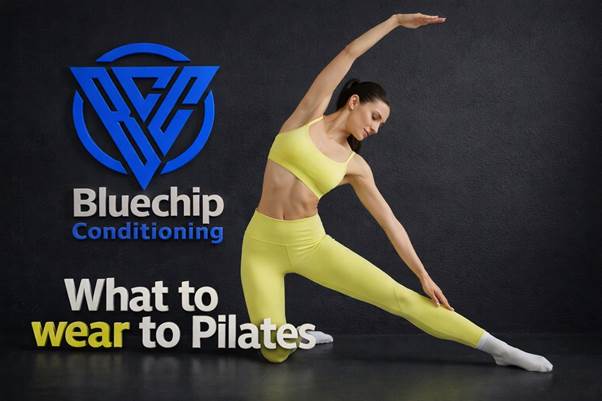
Introduction When starting your fitness journey, one of the most common questions people ask is what to wear to Pilates. While it may seem like a simple decision, the right clothing plays a crucial role in how effectively you perform each movement. Pilates focuses on controlled exercises, posture alignment, and core engagement, which means your outfit needs to support flexibility, comfort, and precision. Choosing the correct attire can significantly enhance your overall workout experience and help you achieve better results. Understanding what to wear to Pilates is especially important for beginners who want to avoid discomfort and distractions during their sessions. Unlike high-intensity gym workouts, Pilates requires smooth transitions, stretching, and balance. Wearing tight, restrictive, or overly loose clothing can limit your movement and make it difficult to maintain proper form. This is why the best pilates instructors always recommend outfits that are breathable, stretchable, and well-fitted to allow full range of motion. In professional environments such as pilates vegas studios or a pilates class las vegas, your clothing choice also contributes to how instructors assess your posture and technique. Proper attire allows trainers to observe your alignment and make necessary corrections, ensuring you perform each exercise safely and effectively. Even in premium setups like studio rental las vegas, wearing the right outfit enhances both comfort and confidence. Ultimately, knowing what to wear to Pilates is not just about appearance it directly impacts your performance, safety, and results. Whether your goal is fat loss, building lean muscle, or improving flexibility, the right clothing will help you stay focused, move freely, and get the most out of every Pilates session. Why Choosing the Right Pilates Outfit Matters Before diving into specifics, let’s understand why what to wear to Pilates is so important. 1. Improves Movement & Flexibility Pilates involves stretching, bending, and controlled motion. Tight or restrictive clothing can limit your range of motion. 2. Helps Maintain Proper Form Form is everything in Pilates. The best pilates instructors always emphasize wearing fitted clothes so they can observe posture and alignment. 3. Prevents Discomfort & Injury Loose or inappropriate clothing can shift, bunch up, or even cause slips, especially during mat exercises. 4. Boosts Confidence When you feel comfortable, you perform better. The right outfit can increase focus and motivation. What to Wear to Pilates: Complete Outfit Breakdown Let’s break down what to wear to Pilates step-by-step so you can build the perfect workout outfit. 1. Bottom Wear: The Foundation of Your Outfit Bottom wear is one of the most important parts of your Pilates outfit because it directly affects your comfort, flexibility, and movement control during exercises. Since Pilates involves stretching, bending, and core-focused movements (based on the method developed by Joseph Pilates), the right bottoms help you move smoothly and maintain proper form. What to Wear (Best Options) 1. Leggings / Yoga Pants Ideal for both beginners and advanced users 2. Fitted Joggers Best for casual or home workouts 3. Capris (3/4 Length Pants) Great for flexibility and ventilation Why Bottom Wear Matters What to Wear to Pilates for Different Goals: what to wear to pilates Fat Loss, Strength & Flexibility When deciding what to wear to Pilates, it’s important to understand that your fitness goals can influence your clothing choices. While the basics remain the same, slight variations in your outfit can help improve performance depending on whether your focus is fat loss, building lean muscle, or improving flexibility. For individuals aiming for fat loss, choosing sweat-friendly and breathable clothing is essential. During intense Pilates sessions, your body temperature rises, and wearing moisture-wicking fabrics helps regulate sweat and keeps you comfortable. This is why understanding what to wear to Pilates becomes crucial for maintaining consistency in your workouts. Lightweight leggings paired with a fitted top allow your body to move freely while keeping distractions to a minimum. If your goal is to build lean muscle, your clothing should allow clear visibility of muscle engagement. Fitted outfits help you observe how your muscles contract and stretch during each movement. This is another reason why experts emphasize what to wear to Pilates as a key factor in improving workout efficiency. Compression-style leggings and supportive tops are ideal because they provide both comfort and stability. For those focusing on flexibility and mobility, the priority should be unrestricted movement. Stretchable fabrics that move with your body are the best choice. When selecting what to wear to Pilates, always check if your clothing allows deep stretches, lunges, and controlled movements without resistance. Soft, elastic materials enhance your ability to perform exercises with proper form. Another important factor to consider when choosing what to wear to Pilates is the type of session you are attending. Mat Pilates, which is often beginner-friendly and requires no equipment, demands simple and comfortable clothing. In this case, basic leggings and a breathable T-shirt are more than enough. Since movements are performed on the floor, avoiding zippers, buttons, or thick seams is highly recommended. On the other hand, if you are attending a studio session, your approach to what to wear to Pilates should be slightly more refined. Studio environments often focus on precision and technique, so wearing fitted and high-quality activewear becomes more important. It not only enhances your performance but also allows instructors to correct your posture effectively. Comfort should always be your top priority when deciding what to wear to Pilates. Even the most stylish outfit will not be useful if it causes discomfort during movement. Always test your clothing by stretching, bending, and moving around before your session. This simple step ensures that your outfit supports your workout instead of limiting it. Breathability is another key element that should not be ignored. When thinking about what to wear to Pilates, fabrics like cotton blends or moisture-wicking materials are ideal choices. These fabrics help keep your body cool and dry, especially during longer sessions. Avoid heavy or non-breathable materials, as they can lead to discomfort and reduced performance. In addition to functionality, confidence also plays a
Types of Pilates: The Complete Beginner’s Guide to Transform Your Body with the Right Pilates Style
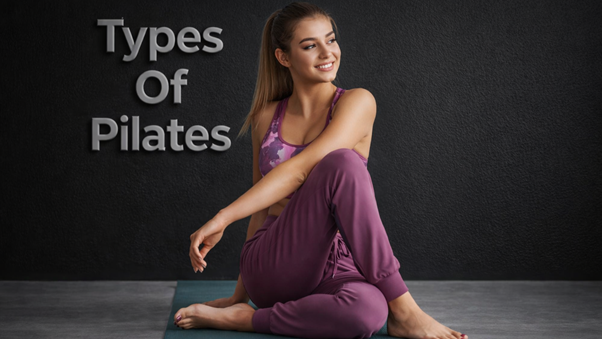
Introduction If you’re new to fitness and searching for something that builds strength, improves flexibility, and helps with fat loss without overwhelming your body, understanding the types of Pilates is the perfect place to start. Pilates has quickly become one of the most effective and beginner-friendly workout methods worldwide. Whether you want to tone your body, lose fat, improve posture, or simply feel stronger, knowing the right types of Pilates can completely change your fitness journey. Unlike high-intensity workouts that often feel intimidating, Pilates focuses on controlled movements, proper breathing, and mindful strength building. This makes it ideal for beginners who want real results without injury risk. In this complete guide, you’ll learn everything about the different types of Pilates, which one is best for beginners, and how you can start your transformation today even if you have zero experience. What is Pilates and Why is It So Effective? Before diving into the types of Pilates, let’s understand what makes Pilates so powerful. Pilates is a low-impact workout system designed to strengthen your core, improve flexibility, and enhance overall body control. It was created to focus on: What makes Pilates stand out is that it targets deep muscles, not just surface-level ones. This leads to lean muscle development instead of bulky muscles. That’s why Pilates is perfect for: Why Understanding Types of Pilates Matters Not all Pilates workouts are the same. There are multiple types of Pilates, and each serves a different purpose. Choosing the wrong type can: But choosing the right type of Pilates can: 1. Mat Pilates The Best Starting Point for Beginners Mat Pilates is a form of exercise performed on a flat mat using your own body weight as resistance. It is based on the original method developed by Joseph Pilates and focuses on improving core strength, posture, flexibility, and body control. What Mat Pilates Really Means In simple terms, Mat Pilates is a floor-based workout where all movements are done lying down, sitting, or standing on a mat without large machines. Instead of heavy equipment, it relies on controlled movements, breathing, and proper alignment to strengthen the body. Key Principles of Mat Pilates Mat Pilates is built around a few core ideas: How It Works During a Mat Pilates session, you perform a series of exercises such as leg lifts, bridges, and core-focused movements. These exercises: Benefits of Mat Pilates Who Should Choose Mat Pilates Mat Pilates is ideal for: Simple Summary Mat Pilates is a low-impact, full-body workout that uses body weight and controlled movements to build strength, improve flexibility, and develop better posture without the need for machines. Best for: Beginners, home workouts, no equipment training If you’re just starting, Mat Pilates is the easiest way to explore different types of Pilates without spending money. 2. Reformer Pilates Advanced Strength and Toning Reformer Pilates is a form of Pilates performed on a specialized machine called a reformer. It builds on the method developed by Joseph Pilates and focuses on strength, control, flexibility, and precise movement, using adjustable resistance. What Reformer Pilates Really Means In simple terms, Reformer Pilates is a machine-based workout where you perform exercises on a sliding platform (carriage) attached to springs. These springs create resistance, making movements either easier or more challenging depending on the setting. Key Components of the Reformer Machine The reformer includes: Key Principles of Reformer Pilates Reformer Pilates follows the same foundational principles as Mat Pilates, but with added resistance: How It Works During a session, you perform a series of guided exercises using the reformer machine. These movements: Benefits of Reformer Pilates Who Should Choose Reformer Pilates Reformer Pilates is ideal for: Reformer Pilates Las Vegas: A Modern Approach to Strength and Precision When exploring advanced types of Pilates, Reformer Pilates Las Vegas stands out as one of the most effective and results-driven options. Unlike traditional mat-based workouts, reformer Pilates uses a specialized machine designed with springs, pulleys, and a sliding carriage to provide controlled resistance and support. This method allows beginners and experienced individuals alike to perform exercises with better alignment, improved control, and reduced strain on joints. One of the biggest advantages of reformer pilates las vegas is its ability to adapt resistance levels, making it suitable for everything from rehabilitation to strength training and lean muscle development. Professionally guided sessions ensure that each movement is performed with precision, helping you activate deeper muscle groups that are often missed in regular workouts. This leads to faster toning, improved posture, and a stronger core without the risk of overtraining. For anyone looking to upgrade from basic Pilates and experience a more structured, effective workout, reformer Pilates offers a perfect balance of strength, flexibility, and control all within a safe and supportive environment. Simple Summary Reformer Pilates is a machine-assisted, low-impact workout that uses spring resistance to strengthen muscles, improve flexibility, and enhance overall body control with greater precision. Best for: Strength training, toning, guided workouts If you want faster results and access to studios, this is one of the most effective types of Pilates. Mat Pilates vs Reformer Pilates Aspect Mat Pilates Reformer Pilates Equipment Performed on a mat using body weight Uses a reformer machine with springs, straps, and pulleys Resistance Type Body weight only Adjustable spring resistance Difficulty Level Beginner to intermediate Beginner to advanced (easier to scale) Guidance Needed Can be self-practiced at home Usually requires a trainer or studio Cost Low (minimal or no equipment) Higher (machine + studio sessions) Muscle Engagement Strong focus on core Full-body engagement with added resistance Flexibility Support Moderate Higher due to assisted movements Injury Rehab Good for general fitness Better for rehabilitation (controlled resistance) Key Difference (In Simple Terms) Which One Should You Choose? Choose Mat Pilates if: Choose Reformer Pilates if: 3. Clinical Pilates Perfect for Injury Recovery Clinical Pilates is a specialized form of Pilates designed for injury recovery, pain management, and rehabilitation. It is typically guided by trained physiotherapists and is tailored to an individual’s specific condition, such as back
Pilates for Seniors: The Ultimate Beginner Guide to Strength, Balance & Pain-Free Living
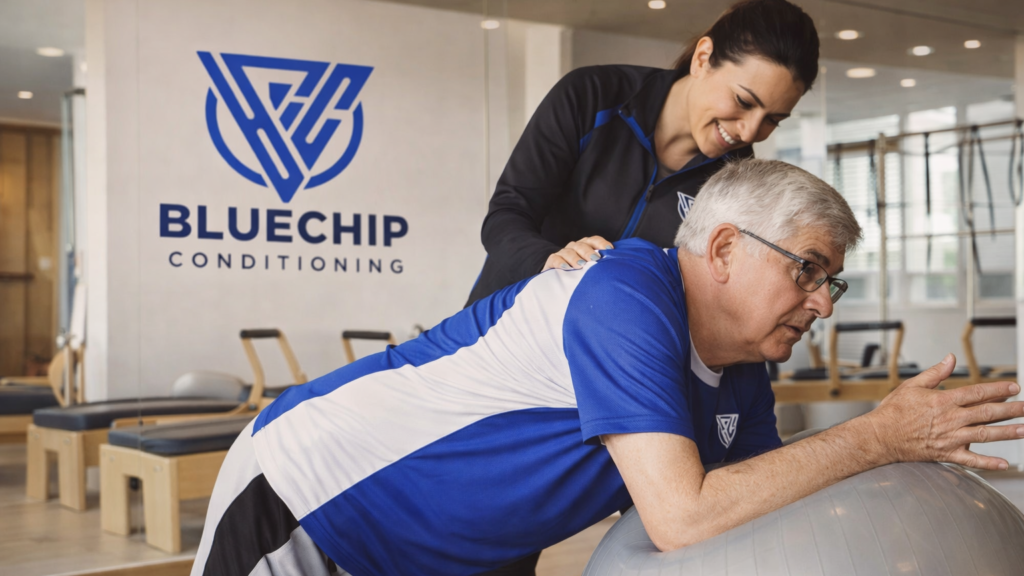
Introduction Pilates for seniors has quickly become one of the most recommended fitness approaches for older adults who want to stay active, independent, and pain-free without putting unnecessary stress on their bodies. As aging naturally brings challenges like reduced flexibility, muscle loss, joint stiffness, and balance issues, finding a safe and effective workout becomes essential and this is exactly where Pilates stands out. Unlike traditional exercise routines that often focus on high intensity or heavy resistance, Pilates is built around slow, controlled movements that prioritize stability, posture, and core strength. This makes it especially suitable for seniors who may be new to fitness or returning after a long break. The focus is not just on movement, but on how the body moves ensuring every exercise is safe, supported, and purposeful. One of the key advantages of Pilates is its ability to improve everyday functionality. Simple daily activities like walking, bending, lifting, or even standing for longer periods become easier with consistent practice. Over time, seniors notice better balance, improved coordination, and reduced risk of falls something that becomes increasingly important with age. Another reason why Pilates is gaining popularity among older adults is its adaptability. Whether someone has limited mobility, mild joint pain, or no prior exercise experience, Pilates can be modified to suit individual needs. It can be done on a mat, using a chair for support, or under the guidance of trained professionals, making it accessible for almost everyone. In today’s fast-paced world, where most fitness programs are not designed with seniors in mind, Pilates offers a refreshing and practical alternative. It focuses on long-term health rather than short-term intensity helping seniors build strength, improve posture, and maintain independence in a safe and sustainable way. If you’re looking for a beginner-friendly, low-impact workout that delivers real results, Pilates for seniors is not just an option it’s one of the smartest choices you can make for your health and well-being. What is Pilates and Why It Works for Seniors Pilates is a form of exercise that focuses on: For seniors, this method is especially powerful because it avoids high-impact movements. Instead, it uses slow, controlled exercises that strengthen muscles without risking injury. The concept of stability and control training is what makes Pilates different. Every movement is intentional, supported, and safe. Why Pilates for Seniors is Better Than Traditional Workouts Let’s be honest most workouts are not designed for older adults. Heavy lifting, jumping, or intense cardio can cause: But pilates for seniors focuses on: This makes it one of the safest and most effective fitness methods for older adults. Top Benefits of Pilates for Seniors 1. Improves Balance and Prevents Falls One of the biggest risks for seniors is falling. Pilates strengthens stabilizing muscles, helping improve coordination and balance. 2. Builds Lean Muscle Without Bulk Aging leads to muscle loss, but pilates for seniors helps rebuild lean muscle in a controlled way without heavy weights. 3. Supports Fat Loss Even though Pilates is gentle, it still burns calories and improves metabolism. Combined with consistency, it helps reduce body fat. 4. Reduces Joint Pain and Stiffness Because movements are slow and controlled, Pilates actually improves joint mobility instead of damaging it. 5. Improves Posture Bad posture is common with aging. Pilates strengthens the core and back muscles, helping seniors stand taller and move better. 6. Boosts Mental Health Breathing exercises and mindful movement reduce stress and improve focus. Beginner-Friendly Pilates Exercises for Seniors These exercises are simple, safe, and require no equipment. 1. Pelvic Tilt Pelvic Tilt is a gentle and highly effective Pilates exercise that helps strengthen the lower back, abdominal muscles, and hips. Based on the principles introduced by Joseph Pilates, it is especially beneficial for senior citizens as it improves spinal mobility, posture, and reduces lower back discomfort all with minimal strain. What is Pelvic Tilt? Pelvic Tilt involves slowly tilting your pelvis (hip area) while lying on your back to flatten and then release your lower back against the floor. It is a simple, controlled movement that activates the core without putting pressure on joints. Step-by-Step Instructions Benefits for Seniors Safety Tips Simple Summary Pelvic Tilt is a safe, beginner-friendly exercise for seniors that gently strengthens the core and improves spinal health, making everyday movements easier and more comfortable. 2. Seated Leg Lifts Seated Leg Lifts are a simple and safe Pilates exercise that helps strengthen the thighs, hips, and lower abdominal muscles. Rooted in the principles of controlled movement introduced by Joseph Pilates, this exercise is especially suitable for senior citizens because it can be performed while sitting, reducing strain on the joints and lowering the risk of falls. What are Seated Leg Lifts? Seated Leg Lifts involve lifting one leg at a time while sitting on a chair, focusing on slow, controlled movements to build strength and improve circulation in the lower body. Step-by-Step Instructions Benefits for Seniors Safety Tips Simple Summary Seated Leg Lifts are a low-impact, chair-based exercise that helps seniors build leg strength, improve mobility, and stay active safely without putting stress on the body. 3. Heel Slides Heel Slides are a gentle and effective Pilates exercise that helps improve knee flexibility, hip mobility, and lower body strength. Based on the controlled movement principles introduced by Joseph Pilates, this exercise is especially beneficial for senior citizens because it is low-impact, easy to perform, and safe for joints. What are Heel Slides? Heel Slides involve sliding one heel along the floor toward your body and then extending it back, while lying down. This simple movement helps maintain smooth joint function and improves mobility in the lower body. Step-by-Step Instructions Benefits for Seniors Safety Tips Simple Summary Heel Slides are a safe, low-impact exercise for seniors that gently improves joint mobility and flexibility, helping maintain comfortable and smooth lower body movement. 4. Arm Raises Arm Raises are a simple and effective Pilates exercise that helps strengthen the shoulders, upper back, and arms, while also improving posture and mobility. Based on the
Pilates Arm Exercises for Injured Athletes: The Ultimate Recovery & Strength Blueprint

Athletes recovering from injury face one of the most challenging phases of their careers. The balance between rebuilding strength, protecting joints, and preventing re-injury requires a smarter approach than traditional gym workouts. This is exactly where pilates arm exercises become a game-changer. Unlike heavy lifting or aggressive resistance training, Pilates offers controlled, precise, and joint-friendly movements that restore strength while improving coordination and stability. For injured athletes, especially those returning from shoulder, elbow, wrist, or upper-body injuries, pilates arm exercises provide a proven path to recovery and elite performance. At Bluechip Conditioning, athletes don’t just recover they rebuild smarter. Why Injured Athletes Need a Smarter Arm Training System Post-injury training is not about lifting heavier weights. It’s about: Traditional workouts often overload the arms without addressing the deeper stabilizing muscles. Pilates arm exercises work from the inside out, activating smaller stabilizers that protect injured joints while still developing strength. This is why professional rehab specialists and performance coaches now integrate Pilates into elite Athlete Development programs worldwide. The Science Behind Pilates Arm Exercises in Injury Recovery Pilates is based on six core principles: control, precision, flow, concentration, breathing, and alignment. For injured athletes, these principles are essential. Key Benefits of Pilates Arm Exercises: Every pilates arm exercises sequence is designed to move through safe ranges of motion, helping athletes regain confidence in their bodies after injury. Core Stability: The Hidden Weapon for Arm Recovery Most arm injuries are not isolated problems. Weakness in the trunk and pelvis often leads to compensations in the shoulders and arms. That’s why Pilates integrates arm movements with a core strengthening workout. A stable core: When athletes perform pilates arm exercises with proper core engagement, they rebuild strength safely and sustainably. The Role of Core Strength in Injury Recovery for Athletes When athletes are recovering from injury, attention often goes straight to the injured area—shoulders, arms, or joints—while the foundation of movement is overlooked. In reality, the core plays a decisive role in how safely and effectively the upper body functions. A well-designed core strengthening workout can dramatically improve recovery outcomes, especially for athletes returning from upper-body injuries. The core is more than just abdominal muscles. It includes the deep stabilizers of the spine, pelvis, diaphragm, and hips. These muscles work together to stabilize the body, allowing the arms to generate force without placing excessive stress on injured tissues. Why Core Stability Matters During Upper-Body Rehabilitation For athletes, arm movements are rarely isolated. Throwing, striking, pushing, and pulling all rely on efficient force transfer from the center of the body outward. When core stability is compromised, the arms and shoulders compensate, increasing the risk of pain, inflammation, and re-injury. A targeted core strengthening workout helps injured athletes by: This integrated support system is essential during recovery phases when the body is relearning proper mechanics. Core Training That Supports Healing, Not Stress Unlike high-impact or high-load exercises, recovery-focused core training emphasizes control, breath, and precision. Movements are performed slowly, ensuring that stabilizing muscles activate before larger muscle groups engage. This approach protects healing tissues while restoring functional strength. When paired with controlled upper-body training, core-focused work creates a stable base that allows athletes to rebuild strength safely and confidently. This is why Pilates-based systems are so effective during post-injury conditioning—they train the body as a connected unit rather than isolated parts. How Core Strength Improves Arm Performance A strong core allows the arms to move freely and powerfully without overcompensation. Athletes with proper trunk stability experience: Over time, this leads to stronger performance with less physical stress. A properly structured core strengthening workout ensures that gains made during recovery translate into real-world athletic performance. Integrating Core Training Into an Athlete’s Recovery Plan Core training should not be treated as an add-on. It must be integrated thoughtfully into the overall recovery and performance plan. Frequency, intensity, and progression should be tailored to the athlete’s injury history and sport demands. Performance-based facilities like Bluechip Conditioning emphasize core development as a foundational element of athlete recovery. This approach ensures that when athletes return to full training, their bodies are resilient, balanced, and prepared for high-level demands. Building Long-Term Resilience Through Smart Core Training Recovery is not just about healing it’s about preventing future injuries. Strengthening the core improves movement awareness and reduces faulty patterns that often lead to chronic issues. By committing to a progressive, intelligent core strengthening workout, athletes don’t just recover they build a stronger, more reliable body capable of sustaining elite performance over time. Why Pilates Is Superior to Traditional Rehab Training Traditional rehab often isolates muscles. Pilates integrates the entire kinetic chain. Pilates vs Traditional Rehab: Traditional Rehab Pilates Isolated movements Full-body integration Limited progression Scalable difficulty Repetitive Dynamic & functional This integrated approach makes pilates arm exercises ideal for athletes who want to return to competition stronger, not just “cleared.” Reformer Training: The Gold Standard for Safe Arm Strength One of the most powerful tools in Pilates recovery is Reformer training. The reformer uses adjustable spring resistance, allowing athletes to load muscles gradually without joint compression. Why Reformer Training Works: In advanced pilates arm exercises, reformer work allows injured athletes to regain strength faster while minimizing risk. Pilates Arm Exercises for Shoulder Injury Recovery Shoulder injuries are common in athletes across all sports. Pilates emphasizes scapular stability and controlled arm motion. Key movements focus on: By consistently performing pilates arm exercises, athletes restore shoulder strength without aggravating sensitive tissues. Elbow & Wrist Rehabilitation Through Pilates For tennis players, baseball pitchers, and combat athletes, elbow and wrist injuries can be career-threatening. Pilates addresses these areas through controlled resistance and precision. Benefits include: Well-designed pilates arm exercises ensure the smaller joints receive attention, not overload. Injury Prevention Through Smart Arm Conditioning Recovery is only half the battle. Preventing re-injury is just as important. Pilates builds: Athletes who incorporate pilates arm exercises into their weekly routine experience fewer setbacks and longer careers. Why Elite Athletes Choose Pilates Top-level athletes don’t guess they invest in proven systems.
10 Best Pilates Leg Exercises for Toned Thighs and Glutes
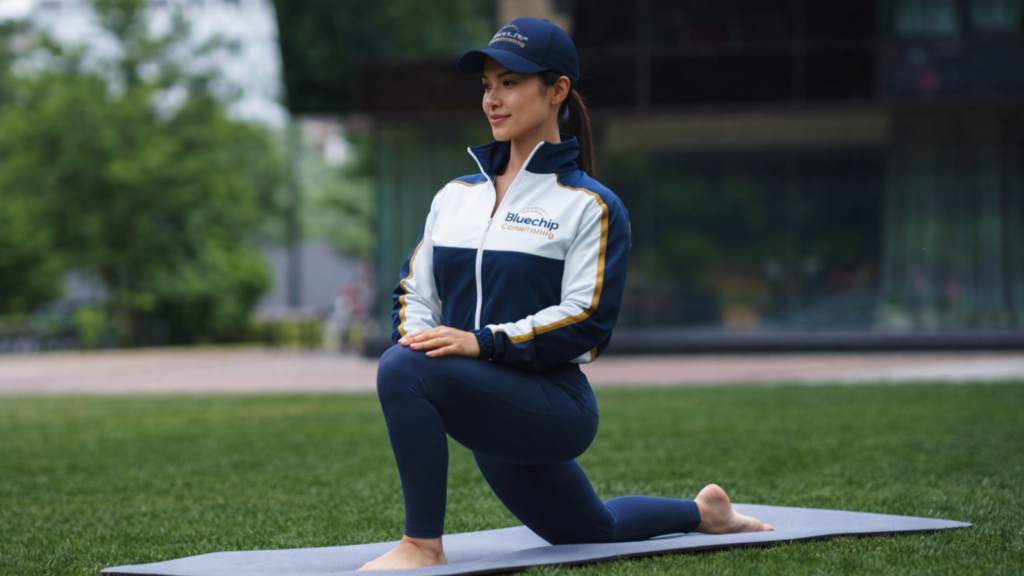
When it comes to sculpting toned thighs and lifted glutes, pilates leg exercises are one of the most effective and sustainable ways for women to build lean muscle, burn fat, and improve overall body balance. Unlike high-impact workouts, Pilates focuses on controlled movements, deep muscle activation, and proper alignment, making it ideal for beginners and experienced women alike. Pilates leg exercises help strengthen the lower body without bulky muscle gain. They emphasize long, lean lines while improving posture, flexibility, and core stability. Whether you practice at home or attend pilates classes in las vegas, Pilates offers a low-impact yet powerful solution for shaping your legs naturally. This article will walk you through the 10 best pilates leg exercises that target your thighs, glutes, and hips all no-equipment, beginner-friendly, and designed specifically for women looking for fat loss and lean muscle tone. Why Pilates Is the Best Workout for Women’s Legs Before diving into the exercises, it’s important to understand why pilates leg exercises stand out compared to traditional strength training. Benefits of Pilates for Lower Body Unlike heavy gym workouts, Pilates trains muscles to work together, not in isolation. That’s why many women prefer Pilates over conventional weight training or cardio. Many women in Las Vegas choose Pilates because it complements a busy lifestyle while delivering visible results. From home mat workouts to a professional pilates reformer studio las vegas, Pilates adapts to all fitness levels. Why Many Women Are Turning to Pilates for Stronger, Leaner Legs When people think about building toned legs, they often imagine intense gym workouts, heavy squats, or long cardio sessions. But many fitness experts now recommend Pilates as a smarter and safer way to strengthen the lower body. That’s one reason why interest in pilates in las vegas has grown so rapidly among women who want real results without putting stress on their joints. Pilates focuses on controlled movement, muscle activation, and proper alignment. Instead of simply working the surface muscles, it targets deep stabilizing muscles in the hips, thighs, and glutes. These muscles play a huge role in posture, balance, and overall body strength. When they are properly activated, the legs become stronger, more toned, and more balanced. Another reason Pilates is becoming so popular is its low-impact nature. High-impact workouts can sometimes cause knee pain or hip strain, especially for beginners. Pilates, on the other hand, uses slow and precise movements that protect the joints while still challenging the muscles. This makes it an excellent option for women of all fitness levels, from beginners to experienced athletes. In fact, many instructors teaching pilates in las vegas emphasize that consistency matters more than intensity. Even short sessions done regularly can produce visible changes in muscle tone and flexibility. Over time, the body learns to move more efficiently, which improves not only leg strength but also overall stability and coordination. Pilates also encourages mindful movement. Instead of rushing through exercises, practitioners focus on breathing, muscle engagement, and body awareness. This approach helps people connect with their muscles more effectively, which leads to better workout results. When the core and lower body work together properly, everyday movements like walking, standing, and climbing stairs become easier and more efficient. Another benefit is that Pilates workouts can be easily adapted to different environments. Some people prefer practicing at home with simple mat exercises, while others enjoy structured classes in a professional studio setting. Many participants exploring pilates in las vegas choose guided classes because instructors can correct posture and help activate the right muscles for maximum results. For those specifically looking to improve leg strength, Pilates movements like leg circles, glute bridges, side kicks, and controlled stretches are extremely effective. These exercises help tone the inner thighs, outer thighs, hamstrings, and glutes while also improving flexibility. The result is long, lean muscle definition rather than bulky muscle growth. Over time, this type of training helps reshape the lower body in a natural and balanced way. Stronger hips and thighs support the spine better, improve posture, and reduce the risk of injury during daily activities or other workouts. Because of these benefits, fitness professionals continue recommending pilates in las vegas as a sustainable approach for people who want stronger legs, better mobility, and long-term body strength without extreme workouts. 1. Pilates Leg Circles This classic move is foundational in pilates leg exercises and targets the inner thighs, hip flexors, and core. How to Perform: Benefits: 2. Side-Lying Leg Lifts Side-Lying Leg Lifts are one of the most effective Pilates movements for strengthening the outer thighs, hips, and glutes. This exercise looks simple, but when performed correctly with controlled movement and proper alignment, it activates deep stabilizing muscles and improves lower-body strength without putting pressure on the joints. One of the simplest yet most effective pilates leg exercises for glute shaping. How to Perform Side-Lying Leg Lifts Step 1: Set Up Your PositionLie on your side on a comfortable exercise mat. Keep your body in a straight line from head to feet. Rest your head on your lower arm or support it with your hand. Step 2: Align Your Body ProperlyStack your hips one above the other and keep your legs extended straight. Engage your core muscles to stabilize your spine and prevent your body from rolling forward or backward. Step 3: Prepare the Top LegPlace your top hand on the floor in front of your chest for balance. Flex your top foot slightly and keep the leg straight. Step 4: Lift the Leg SlowlyRaise your top leg upward about 12–18 inches while keeping your hips stable and your core engaged. Move slowly and avoid swinging the leg. Step 5: Hold the PositionPause briefly at the top of the movement while squeezing your outer thigh and glute muscles. Step 6: Lower with ControlSlowly lower the leg back down without letting it completely rest on the bottom leg. Step 7: Repeat the MovementPerform 10–15 controlled repetitions, then switch sides and repeat on the other leg. Benefits of Side-Lying Leg
Pilates vs Lagree: Which Is Better for Athletes Recovering from Injury?
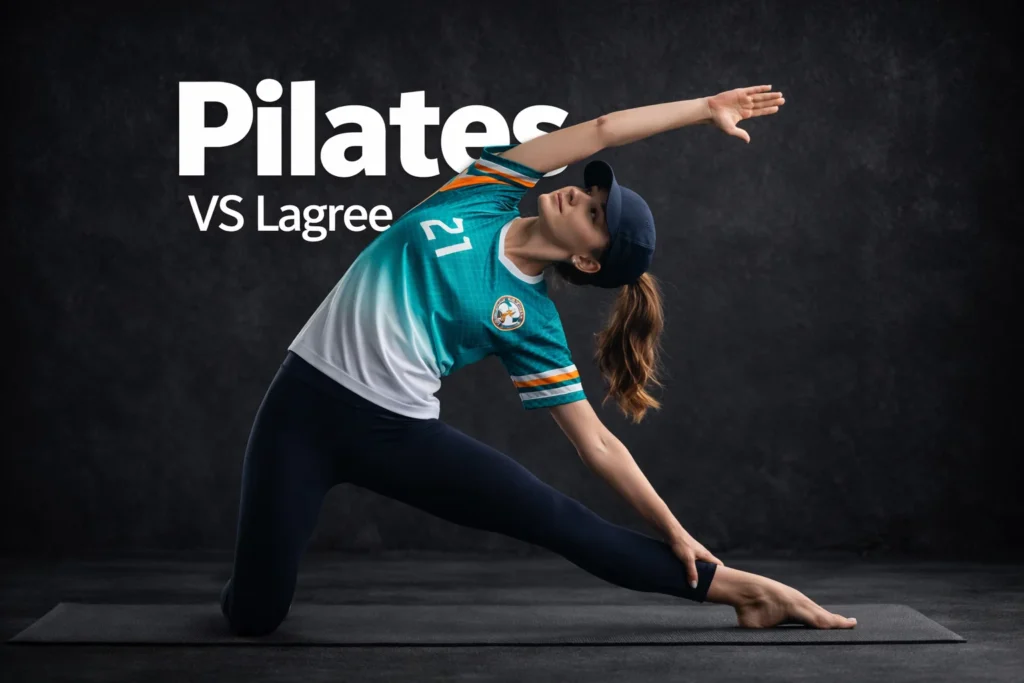
Introduction If you’re an athlete coming back from an injury, you already know one thing not all workouts are safe. The biggest mistake injured athletes make is jumping into intense training too fast. That’s where the debate of pilates vs lagree becomes important. Many training programs promise strength. Many promise flexibility. But very few truly help athletes rebuild stability, prevent re-injury, and restore movement mechanics. When comparing pilates vs lagree, the real question isn’t which burns more calories it’s which rebuilds your body intelligently. At Blue Chip Conditioning, we work closely with athletes recovering from injury, and we consistently see one clear winner in the pilates vs lagree discussion. Let’s break it down honestly. Understanding the Core Difference Before choosing, you need to understand what each method actually does. What Is Pilates? Pilates is a controlled, low-impact training system designed to improve core stability, alignment, mobility, and muscular balance. It was originally developed for rehabilitation. It focuses on: For injured athletes, this is extremely important. What Is Lagree? Lagree Fitness is a high-intensity workout performed on a machine called the Megaformer. It combines strength, endurance, and slow-twitch muscle fatigue under constant tension. It focuses on: Now here’s the important part… When discussing pilates vs lagree, intensity is not always the advantage especially for recovering athletes. Pilates vs Lagree for Injury Recovery Athletes recovering from: Need three things: In the comparison of pilates vs lagree, Pilates provides all three in a structured, progressive format. Lagree, on the other hand, is built more for muscular fatigue than movement correction. For injured athletes, fatigue before control is dangerous. Why Pilates Is Superior for Athletes Recovering from Injury When analyzing pilates vs lagree, especially for athletic rehab, here’s what matters: 1. Controlled Range of Motion For a recovering knee or shoulder, controlled movement > aggressive tension. That’s why in the pilates vs lagree discussion for rehab Pilates wins. 2. Postural Realignment Injury often happens due to poor biomechanics. Postural strength training is one of the biggest benefits of Pilates. It corrects imbalances in: Lagree focuses more on muscle fatigue than structural correction. If posture isn’t fixed, injury returns. Again, in pilates vs lagree, posture-focused work makes Pilates superior. 3. Neuromuscular Control Athletes don’t just lose strength after injury they lose coordination. Pilates rebuilds: Lagree builds muscular burn but does not emphasize rehabilitation mechanics. In serious rehab cases, pilates vs lagree becomes less about sweat more about precision. Flexibility and Strength Training The Smart Way One of the biggest myths in fitness is that you must choose between flexibility and strength training. Pilates combines both. True flexibility and strength training means: Lagree emphasizes muscle endurance under load but doesn’t focus on mobility restoration. For injured athletes, balanced flexibility and strength training reduces re-injury risk significantly. In the both pilates and lagree comparison, Pilates offers long-term structural benefit. What Happens If Athletes Choose Lagree Too Early? In the pilates and lagree debate, here’s the reality: If an athlete chooses Lagree too early after injury: High-intensity tension without foundation can re-trigger pain. That’s why professional-level rehab trainers prefer Pilates before any aggressive conditioning. Why Elite Athletes Prefer Pilates for Recovery Many professional athletes incorporate Pilates during recovery phases because it: When discussing pilates and lagree, elite sports performance teams prioritize long-term durability over short-term burn. Burn feels productive. Control builds resilience. Pilates Studio Las Vegas Choosing the Right Environment If you’re searching for a pilates studio las vegas, you must look beyond aesthetics. Not all studios are designed for athletes recovering from injury. The right pilates studio las vegas should offer: A performance-focused pilates studio las vegas understands biomechanics, not just choreography. Pilates Reformer Studio Las Vegas Why Equipment Matters A professional pilates reformer studio in las vegas gives athletes adjustable resistance and guided motion patterns. Reformer training: A serious pilates reformer studio las vegas is far more rehab-friendly compared to high-intensity Megaformer sessions. When comparing pilates vs lagree, the equipment might look similar but the programming intention is completely different. Pilates Classes in Las Vegas for Recovering Athletes If you’re considering pilates classes in las vegas, make sure they are structured for recovery and performance. Not all pilates classes are athlete-focused. Look for: The best pilates classes focus on rebuilding strength intelligently not rushing intensity. Comparison for Athletes Let’s clearly summarize the pilates vs lagree debate: Factor Pilates Lagree Injury Recovery Excellent Risky if early stage Postural Strength Training Core focus Limited Flexibility and Strength Training Balanced Primarily endurance Joint Stability High Moderate Intensity Level Progressive High Re-injury Risk Low when supervised Higher if unstable For athletes recovering from injury, the winner in pilates vs lagree is clear. Pilates builds foundation. Lagree challenges foundation. Without foundation, challenge becomes damage. Why Blue Chip Conditioning Recommends Pilates First At Blue Chip Conditioning, we work with athletes who cannot afford setbacks. Recovery must be strategic. In the pilates vs lagree decision for injured athletes: Once an athlete rebuilds structural integrity through Pilates, higher intensity training can follow safely. But skipping the foundation is never recommended. Pilates vs Lagree for Long-Term Athletic Performance When evaluating pilates and lagree, most people only look at short-term results. Athletes recovering from injury, however, must think long term. The real goal isn’t: The real goal is: In the deeper analysis of pilates and lagree, Pilates builds a biomechanical foundation that protects athletic longevity. The Science Behind Postural Strength Training in Pilates After injury, the body compensates. For example: This is where postural strength training becomes critical. Pilates emphasizes: This level of postural strength training retrains the body’s natural movement pattern. Lagree, although effective for muscular endurance, does not prioritize postural correction mechanics in the same rehabilitation-focused way. In the advanced pilates and lagree discussion, posture control becomes the defining advantage. Deep Core Activation: The Hidden Advantage Athletes often think “core” means abs. But in injury recovery, core means: Pilates specifically targets these muscles. Lagree targets surface muscles under tension. When comparing both pilates and lagree, deep stabilization training gives Pilates the edge in rehab
Is Cadillac Pilates Right for You? Complete Beginner to Advanced Guide
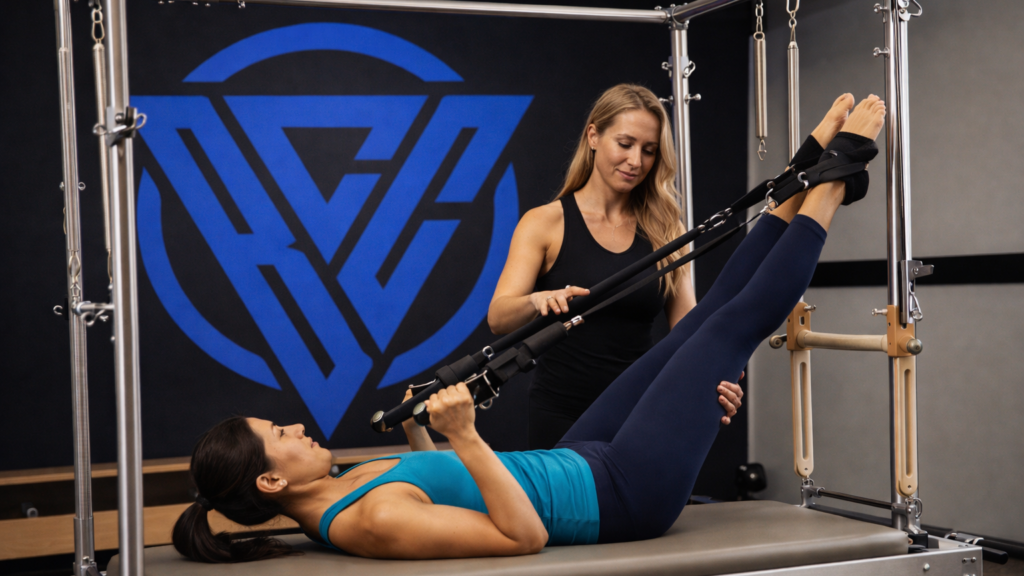
Introduction: Understanding Cadillac Pilates Before You Start Cadillac pilates is one of the most powerful and versatile forms of Pilates training available today. Whether you are a complete beginner, someone recovering from injury, or an advanced athlete looking to refine movement quality, this method offers a unique approach to full-body conditioning. Unlike mat-based routines, it uses a specialized apparatus that allows guided, supported, and highly controlled movements. Many people hear the name and assume it is only for professionals or rehabilitation clinics. In reality, cadillac pilates is designed to meet the body where it is right now. It focuses on building strength, improving posture, enhancing flexibility, and restoring balance without unnecessary strain. That adaptability is why it has gained popularity in modern fitness studios and elite training environments alike. This guide will walk you through everything you need to know from the basics to advanced applications so you can decide whether this training style is right for your goals, body, and lifestyle. What Is Cadillac Pilates? At its core, cadillac pilates is performed on a large, table-like apparatus equipped with springs, bars, straps, and a surrounding frame. This equipment allows resistance and assistance at the same time, making exercises both challenging and safe. The Cadillac was originally developed as part of the classical Pilates system to help injured individuals regain strength and mobility while lying down. Over time, instructors discovered that the same system could dramatically improve performance, alignment, and control in healthy bodies as well. Unlike fast-paced workouts, sessions are intentional and precise. Every movement has a purpose. This makes it ideal for people who want smarter training rather than just harder training. How Cadillac Pilates Is Different from Other Pilates Styles Many people confuse it with Reformer or Mat Pilates. While all Pilates methods share the same foundation, cadillac pilates stands apart because of its versatility and depth. The equipment allows: Because of this range, one machine can support rehabilitation, general fitness, and advanced conditioning all at once. Who Can Benefit from Cadillac Pilates? One of the biggest strengths of cadillac pilates is that it works for a wide range of people. You do not need to be flexible, athletic, or experienced to start. Beginners If you are new to exercise or returning after a long break, the support from the equipment helps you learn correct movement patterns safely. Office Workers and Sedentary Lifestyles People who sit for long hours often struggle with poor posture, tight hips, and weak core muscles. This system emphasizes Postural strength training, helping correct imbalances that develop from daily habits. Injury Recovery and Rehabilitation Because movements can be modified easily, many physical therapists and trainers use this system during recovery phases. Athletes and High Performers In professional environments focused on elite Athlete Development, this training is used to improve joint integrity, movement efficiency, and body awareness without overloading the nervous system. Key Principles Behind Cadillac Pilates The effectiveness of cadillac pilates comes from its principles, not just the exercises. These principles guide every session. Controlled Movement Each exercise is performed slowly with full control. Momentum is avoided so the muscles do the real work. Breath and Focus Breathing is coordinated with movement to support stability and concentration. Precision Over Repetition It’s not about doing more reps it’s about doing each rep correctly. Balanced Strength Rather than isolating muscles, movements train the body as an integrated system through Alignment-based exercise concepts. Physical Benefits You Can Expect Practiced consistently, cadillac pilates delivers noticeable improvements across multiple areas of fitness. Improved Core Strength The core is engaged in nearly every movement, leading to better support for the spine. Better Posture Exercises encourage length through the spine and balanced muscle activation, which naturally improves posture. Increased Flexibility Unlike passive stretching, flexibility develops through active, supported movements. Joint Stability The spring system provides feedback that enhances Stability and control training, especially around shoulders, hips, and knees. Mental and Lifestyle Benefits The benefits are not limited to the physical body. Many people report mental and emotional improvements as well. Because sessions require focus, they often feel meditative while still being physically demanding. Cadillac Pilates in Professional Training Environments High-end fitness facilities and performance centers increasingly include this method as part of bluechip conditioning programs. Trainers value it because it improves movement quality without excessive fatigue. In cities with competitive fitness markets, studios offering this system often attract serious clients. Many premium spaces even combine personal training with studio rental las vegas options, allowing instructors to deliver specialized sessions in a professional environment. Is Cadillac Pilates Safe? Yes, when taught correctly. One of the reasons cadillac pilates is trusted worldwide is its emphasis on safety and progression. The equipment: However, proper instruction matters. Working with a trained instructor ensures exercises are adapted to your body and goals. Common Myths About Cadillac Pilates “It’s Only for Rehab” While it began in rehabilitation, today it’s used for strength, performance, and conditioning. “It’s Too Easy” Slow does not mean easy. Many advanced exercises are extremely demanding. “You Need to Be Flexible” Flexibility develops over time you don’t need it to start. How Often Should You Practice? For most people: Because cadillac pilates focuses on quality, overtraining is rarely an issue. What to Expect in Your First Session Your first session will usually include: You’ll likely feel muscles working that you didn’t know existed and that’s a good sign. Who Should Avoid or Modify Cadillac Pilates? While generally safe, some conditions require modifications: A qualified instructor can adjust movements so you still benefit safely. Why Cadillac Pilates Continues to Grow in Popularity The modern fitness world is shifting toward smarter, more sustainable training. Cadillac pilates fits perfectly into that shift. It respects the body, improves movement quality, and delivers long-term results rather than short-term exhaustion. People are realizing that looking strong and moving well are not the same thing and this method bridges that gap. Advanced Cadillac Pilates Training: From Strength to Performance Once the fundamentals are mastered, cadillac pilates becomes a powerful
How Pilates Workout Balls Help Injured Athletes Rebuild Strength, Control, and Confidence
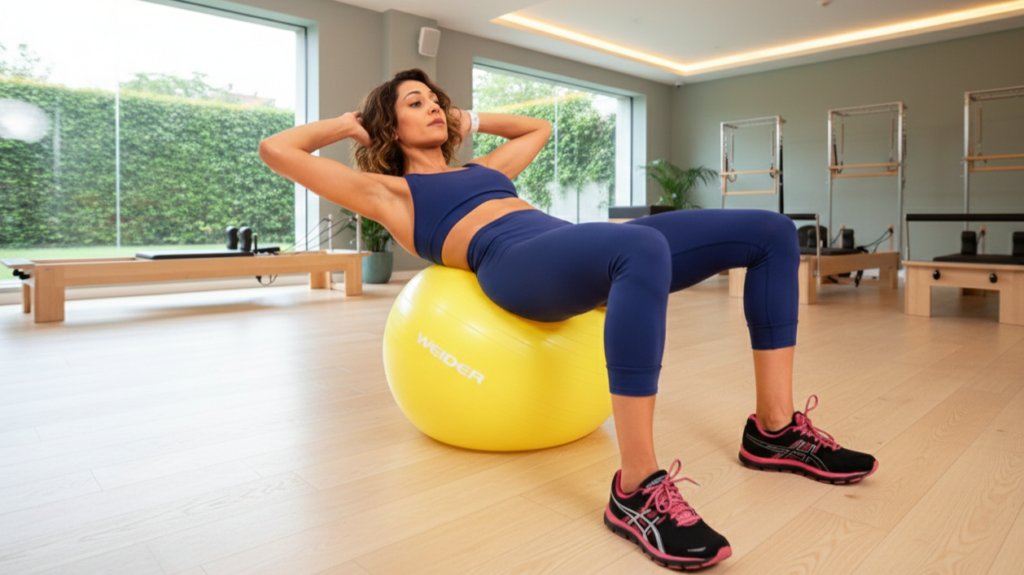
Introduction If you’re an athlete coming back from injury, pilates workout balls might feel like the last thing you need. You miss training hard.You miss sweating.You miss feeling strong and capable. Instead, you’re dealing with tight hips, a stiff back, weak muscles, and that quiet fear of getting hurt again.Your body doesn’t feel like it used to. This is where pilates workout balls quietly change everything. They don’t rush you.They don’t overload you.They help you rebuild control, strength, and trust in your body one steady movement at a time. This article is written for athletes exactly like you. The Hidden Problems Athletes Face Every Day After Injury Injury doesn’t just affect one muscle. It changes how your whole body moves. Many injured athletes deal with: You may look “fine” on the outside.But inside, your body feels disconnected. This is why rushing back to heavy training often leads to new injuries. Your body needs control before power. What Is Pilates Workout Balls and Why It Works Pilates workout balls are small, lightweight balls used during Pilates exercises. They are not for cardio.They are not for speed. They are for awareness. When you use pilates workout balls, your body has to: This is the heart of Body control training. Instead of forcing strength, you rebuild it from the inside out. For injured athletes, this approach is safe, smart, and sustainable. Ball Crunch: A Smarter Way to Build Core Strength After Injury When athletes think about core training, they often picture fast sit-ups or hard floor crunches. But after injury, those movements can feel uncomfortable or risky. That’s where the Ball Crunch comes in. It looks simple, but it teaches your body something far more important than burning abs: control. What Is a Ball Crunch? A Ball Crunch is a core exercise performed using a small Pilates ball placed under your lower or mid-back. Instead of forcing the movement, the ball supports your spine and guides you through a slow, controlled crunch. This turns a basic exercise into Body control training that protects your back and improves awareness. You’re not jerking your body up.You’re lifting with intention. Why Ball Crunch Is Safer for Injured Athletes After injury, your body often avoids certain muscles without you realizing it. The Ball Crunch helps fix that. Because the ball is unstable, your core has to engage evenly to stay balanced.This reduces strain on the neck and lower back. It’s a perfect example of Body control training because the focus stays on quality, not quantity. Slow reps.Steady breathing.Full control. How Ball Crunch Improves Athletic Recovery 1. Rebuilds Deep Core Strength The Ball Crunch activates muscles that support your spine, not just surface abs. This support is essential when returning to running, lifting, or sport-specific movements. 2. Improves Posture Without Stress As you crunch over the ball, your spine moves naturally. This helps undo stiffness caused by injury or protective movement patterns. 3. Trains the Mind-Body Connection Every rep forces you to stay present. That awareness is a key part of Body control training, especially when confidence in movement is low. How to Perform a Ball Crunch Correctly No rushing.No pulling the neck.Just smooth movement. Why Ball Crunch Fits Perfectly Into Pilates-Based Recovery The Ball Crunch blends strength, control, and safety. It’s gentle enough for recovery, yet challenging enough to build real support for athletic movement. When done correctly, it becomes more than an ab exercise it becomes a foundation builder. And for athletes coming back from injury, that foundation matters more than anything. How Pilates Workout Balls Specifically Help Injured Athletes Pilates workout balls are powerful tools during recovery because they create challenge without stress. Here’s how they help: This is core focused strength training done the right way. You’re not chasing fatigue.You’re rebuilding foundation. Why Balance Matters More Than Strength During Recovery Most injuries happen when the body loses control. Not when it’s weak. Pilates workout balls create gentle instability.That instability forces your body to respond intelligently. This turns each session into a Balance and core workout. You’re teaching your body to: That’s what real recovery looks like. Real-Life Scenario: The Runner With a Knee Injury A competitive runner comes in after knee pain stopped their training. They try gym workouts first.Heavy machines.Fast movements. Pain comes back. We slow things down with pilates workout balls. Week by week, they regain control in the hips and core.The knee stops compensating.The body moves as one unit again. That’s Body control training in action. Inner Thigh Squeeze: Small Movement, Big Support for Athletic Recovery After injury, athletes often focus on the obvious areas knees, backs, shoulders. But one important area is usually ignored: the inner thighs. The Inner Thigh Squeeze may look simple, but it plays a powerful role in rebuilding stability and control, especially during recovery. What Is the Inner Thigh Squeeze? The Inner Thigh Squeeze is performed by placing a small Pilates ball or cushion between the thighs and gently squeezing it during controlled movements. This action activates deep muscles that connect the legs, pelvis, and core. It’s a key part of core focused strength training because it trains your body to move as one unit instead of isolated parts. Why Inner Thigh Strength Matters After Injury When inner thigh muscles are weak, the body loses alignment. This can affect: During the Inner Thigh Squeeze, these muscles switch back on in a safe, low-impact way. That’s why it’s often used in core focused strength training programs designed for recovery. How the Inner Thigh Squeeze Supports Athletic Movement 1. Improves Hip and Pelvic Stability Strong inner thighs help stabilize the pelvis during walking, running, and lifting. This reduces unnecessary strain on injured areas. 2. Enhances Core Engagement Naturally The squeeze sends a signal to the deep core muscles to activate. Without forcing effort, the body creates internal support—one of the main goals of core focused strength training. 3. Reduces Compensation Patterns After injury, athletes often shift weight or movement to one side. The Inner Thigh Squeeze encourages
Pilates Reformer Studio Las Vegas: How Reformer Training Transforms Strength, Balance, and Fitness
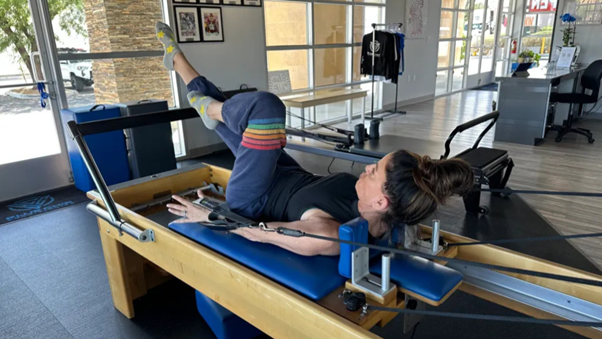
Introduction Las Vegas is known for its energy, entertainment, and nonstop lifestyle but beneath the neon lights, a quiet fitness revolution is happening. More people are shifting away from crowded gyms and generic workouts toward smarter, more intentional movement. At the center of this shift is the rise of the pilates reformer studio las vegas fitness culture, where precision, control, and long-term results matter more than quick fixes. If you’re new to Pilates or simply curious about why reformer-based training has become one of the most sought-after fitness methods in Las Vegas, this guide will walk you through everything you need to know. From understanding how reformer Pilates works to choosing the right studio, this article blends education with practical insights so you can make confident decisions about your fitness journey. What Makes Reformer Pilates Different From Traditional Workouts? Unlike traditional gym workouts that often focus on isolated muscle groups or high-impact movements, reformer Pilates emphasizes full-body integration. Every exercise is designed to improve strength, flexibility, posture, and coordination at the same time. The reformer machine uses a system of springs, pulleys, and a sliding carriage to create resistance. This allows you to challenge your muscles without placing unnecessary stress on your joints. That’s why a pilates reformer studio las vegas is attracting beginners, athletes, and recovery-focused clients alike. Key Differences You’ll Notice Right Away This approach makes reformer Pilates especially appealing for people who want sustainable progress rather than burnout. Why Las Vegas Is Becoming a Hub for Reformer Pilates Las Vegas has a unique fitness landscape. Many residents balance demanding schedules, hospitality jobs, and active lifestyles. Traditional workouts don’t always fit those needs. Reformer Pilates offers an efficient solution—high results in shorter, smarter sessions. Studios offering reformer pilates las vegas programs are growing because people want: A high-quality pilates reformer studio las vegas delivers all of that under one roof. Understanding the Reformer Machine and How It Works At first glance, the reformer may look intimidating—but it’s actually one of the most versatile fitness tools available. The adjustable springs allow resistance to be increased or decreased instantly, making the same exercise accessible to a beginner and challenging for an advanced athlete. High-end studios often use professional-grade equipment like the balanced body reformer, known for its smooth carriage, durability, and precise resistance control. This level of equipment ensures consistency, safety, and better movement feedback. Benefits of Training on a Balanced Reformer This is one reason premium studios stand out in the pilates reformer studio las vegas market. Why Reformer Pilates Las Vegas Is Growing So Fast The fitness scene in Las Vegas has evolved beyond traditional gyms and high-impact workouts. More people are now choosing reformer pilates las vegas because it delivers measurable results without excessive strain on the body. This training method focuses on controlled movement, proper alignment, and full-body engagement, making it ideal for beginners and experienced fitness enthusiasts alike. Unlike fast-paced workouts that prioritize intensity over form, reformer Pilates emphasizes quality of movement. This approach helps improve strength, flexibility, posture, and balance in a way that feels sustainable and effective. How Reformer Pilates Supports Total-Body Conditioning One reason reformer pilates las vegas continues to attract attention is its ability to train the entire body in a single session. Every exercise activates the core while also engaging the arms, legs, and stabilizing muscles. The reformer machine uses adjustable resistance, allowing workouts to be customized to individual fitness levels. This makes reformer Pilates especially valuable for people who want structured training without the intimidation or joint stress often associated with traditional gym environments. A Smarter Option for Beginners and Active Lifestyles For those new to fitness or returning after a break, reformer pilates las vegas offers a supportive and guided entry point. Movements can be modified, resistance can be adjusted, and instructors focus heavily on technique. This reduces the risk of injury while helping participants build confidence in their bodies. Busy schedules are another reason people prefer reformer Pilates. Sessions are efficient, purposeful, and designed to deliver results without unnecessary exhaustion. Long-Term Results Through Consistent Practice Consistency is where reformer pilates las vegas truly shines. Regular practice improves muscle tone, mobility, and body awareness over time. Instead of chasing quick fixes, this method supports long-term fitness and overall well-being. By combining precision, strength, and mindful movement, reformer Pilates has become a go-to solution for people who want smarter training and lasting results. READ MORE : Reformer Pilates in Las Vegas : A Perfect Fitness Solution for Office Folks Is Reformer Pilates Good for Beginners? Absolutely and this is one of the biggest misconceptions. Reformer Pilates is often better for beginners than mat workouts because the machine supports proper form. Instead of struggling through movements, beginners learn how to move correctly from day one. In a well-structured pilates reformer studio las vegas, beginners receive: This makes reformer Pilates an ideal entry point into fitness for people who feel overwhelmed by traditional gyms. Strength Without Bulk: How Reformer Pilates Shapes the Body One of the most common reasons people choose reformer Pilates is body transformation without the bulk. Instead of overloading muscles, Pilates lengthens and strengthens them simultaneously. Consistent training in a pilates reformer studio las vegas leads to: Because movements are controlled and symmetrical, the body develops evenly, reducing common imbalances caused by repetitive gym routines. Group Training vs Private Sessions: What’s Right for You? Most studios offer a mix of private training and group formats. Each has its own benefits depending on your goals, experience level, and budget. Group Reformer Classes Small-group reformer sessions create a motivating environment while still allowing personalized instruction. Well-designed group reformer classes keep class sizes limited so instructors can provide real-time corrections. Benefits include: Private Reformer Training Private sessions offer maximum customization. They’re ideal for: A premium pilates reformer studio las vegas typically offers both options to suit different needs. Why Studio Quality Matters More Than Ever Not all Pilates studios are created equal. The quality of instruction, equipment, and programming can
Pilates Ring Workout: The Smartest Way to Build Real Strength Without Bulking
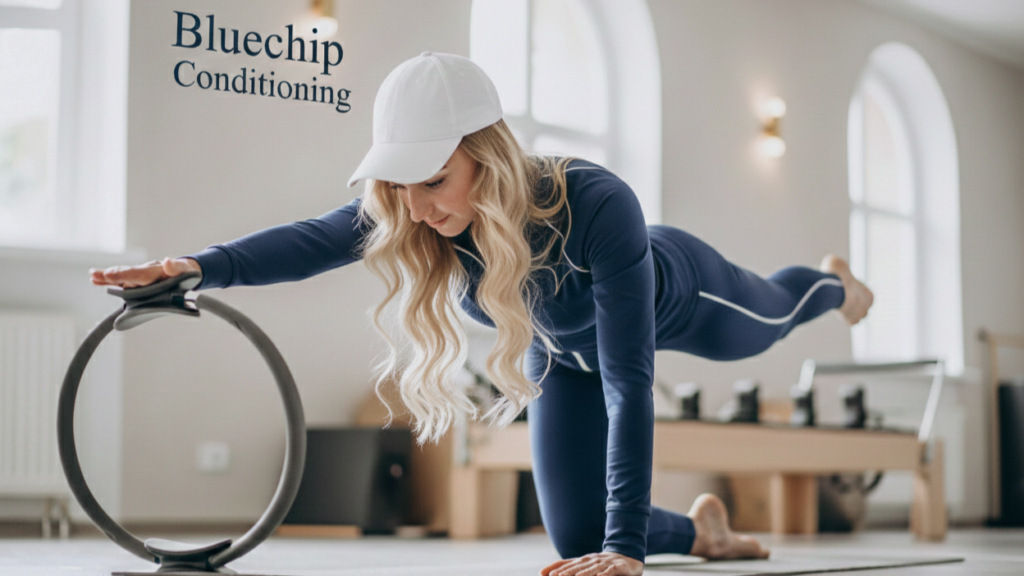
Introduction Walk into any serious training facility today and you’ll notice something interesting. Alongside heavy barbells and high-tech machines, there’s often a simple circular ring quietly sitting in the corner. It doesn’t look intimidating. It doesn’t scream power. Yet athletes, dancers, office professionals, and even older adults are increasingly turning to the Pilates Ring Workout as a powerful tool for strength, mobility, and longevity. What makes this small piece of equipment so effective? The answer lies in intelligent resistance, deep muscle activation, and controlled movement. Unlike traditional gym routines that rely purely on heavy loads, a Pilates Ring Workout challenges stability, coordination, and muscular endurance at the same time. It trains the body as a connected system. And that’s exactly what modern performance demands. Understanding the Power Behind a Pilates Ring Workout A Pilates ring, also known as a magic circle, creates resistance through compression. When you press inward or outward against it, your muscles are forced to engage isometrically. This controlled tension activates deep stabilizing muscles that are often ignored in conventional training.The magic is not in brute force. It is in precision. A properly structured Pilates Ring Workout engages: This is why pilates strength training has become a serious addition to athletic programs worldwide. It builds internal strength, not just surface muscle. The Complete Guide to Training With a Pilates Ring The Pilates ring, also known as a magic circle, is a deceptively simple piece of equipment that delivers serious results. Lightweight and portable, it adds targeted resistance to traditional Pilates movements, helping activate muscles more deeply and intentionally. A pilates ring workout is especially effective for people who want to improve strength, control, and body awareness without adding high-impact stress to their routine. Unlike heavy gym equipment, the ring works by creating inward or outward pressure, which forces stabilizing muscles to engage. This makes every movement more efficient and purposeful. How the Pilates Ring Enhances Movement Deep Muscle Activation The ring’s resistance encourages the use of smaller stabilizing muscles that often get overlooked. By gently squeezing or pressing the ring, the body recruits inner thighs, glutes, chest, shoulders, and deep core muscles. This is why a pilates ring workout often feels challenging even though the movements look subtle. Improved Alignment and Control Because the ring provides constant feedback, it helps improve form and alignment. When the body is properly aligned, muscles work together more effectively, reducing strain on joints and lowering the risk of injury. Over time, this leads to better posture and more balanced movement patterns. Key Benefits of Training With a Pilates Ring Strength Without Bulk One of the standout benefits of ring-based training is the ability to build strength without excessive muscle bulk. The focus remains on lengthening and toning rather than shortening muscles. A consistent pilates ring workout helps create a lean, sculpted look while improving functional strength. Enhanced Mind–Body Connection Pilates emphasizes controlled breathing and intentional movement. Adding the ring increases concentration, as the body must stay engaged throughout each exercise. This heightened awareness improves coordination and helps translate better movement habits into daily life. Joint-Friendly Resistance The ring provides low-impact resistance, making it suitable for people with joint concerns or those recovering from injury. It allows for progressive loading without sudden stress, making it both effective and safe when used correctly. Common Pilates Ring Exercises Inner Thigh and Glute Work Placing the ring between the thighs activates the adductors and pelvic floor muscles. Simple movements like bridges or seated squeezes become far more effective with added resistance. These exercises are foundational in many pilates ring workout routines because they support hip stability and lower-body strength. Upper Body and Posture Exercises The ring can also be used between the hands to strengthen the chest, shoulders, and arms. Pressing the ring forward or overhead encourages engagement of the upper back muscles, which are essential for good posture and spinal support. Core-Focused Movements When used during abdominal exercises, the ring helps maintain tension throughout the movement. This prevents momentum-based motion and ensures the core remains fully engaged, leading to better results and improved spinal control. Who Should Try a Pilates Ring Workout? Beginners Looking for Structure For those new to Pilates, the ring provides guidance and feedback that makes learning proper technique easier. It helps beginners understand which muscles should be working and when. Athletes and Active Individuals Athletes often use ring training to correct muscle imbalances and improve stability. Because it targets supporting muscles, it complements high-intensity training and helps reduce overuse injuries. Anyone Seeking Low-Impact Fitness People who want an effective workout without jumping, heavy lifting, or excessive strain will benefit from this style of training. A pilates ring workout can be adapted for all fitness levels and performed at home or in a studio. Making the Most of Your Pilates Ring Training Consistency is key when working with the ring. Focus on slow, controlled movements rather than rushing through exercises. Proper breathing, alignment, and muscle engagement matter more than repetitions. As strength improves, resistance can be increased by pressing the ring more firmly or holding contractions longer. Discover the Benefits of Pilates for Mind and Body Pilates has become one of the most effective ways to build strength, improve flexibility, and support overall wellness. Whether you’re an athlete, a busy professional, or someone looking to move better, Pilates offers a low-impact yet powerful approach to fitness. Why Pilates Is Perfect for a Busy Lifestyle In a fast-paced city, finding a workout that delivers results without stressing the body is essential. pilates las vegas studios focus on controlled movements, core stability, and proper alignment making sessions efficient and restorative at the same time. Physical and Mental Benefits Pilates strengthens deep core muscles, improves posture, and enhances mobility. Just as important, it reduces stress by encouraging mindful movement and breath control. Many people turn to pilates las vegas classes to balance intense workouts or long workdays. Who Can Benefit From Pilates? From beginners to seasoned athletes, Pilates is adaptable for all levels. With expert