
Pilates Class Las Vegas: The Smarter Way to Train Without Pain
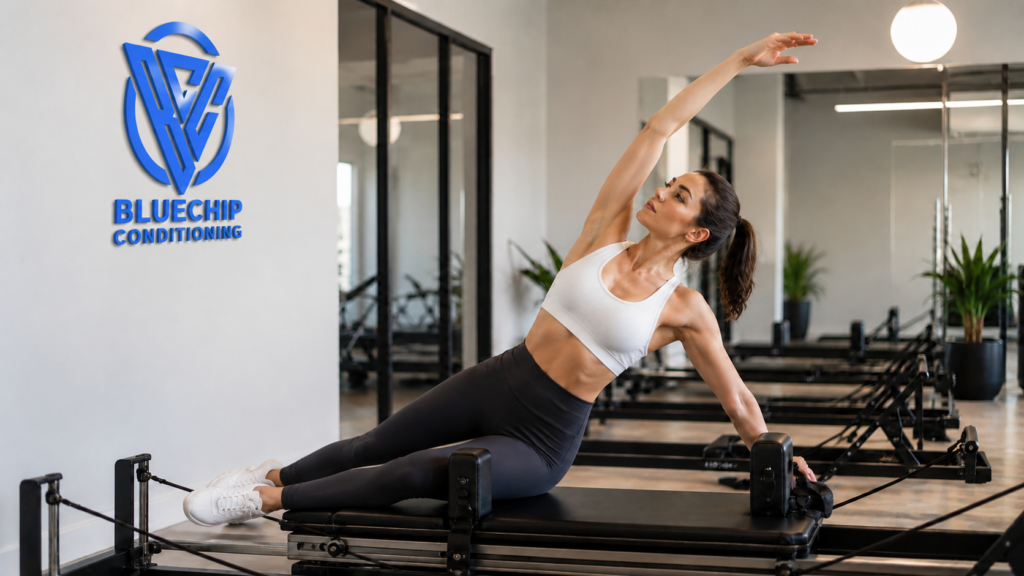
Pilates class las vegas is a smart choice for people who want stronger movement, better posture, and less strain. It gives you a structured way to build control, core stability, and body awareness without the wear and tear that often comes with high-impact workouts. For many people, the real goal is not just to exercise harder. It is to move better, recover faster, and stay consistent. That is why this style of training keeps growing in popularity across local fitness spaces, especially among beginners, busy professionals, and athletes who want results that feel useful in daily life. For many readers, pilates class las vegas balances intensity and recovery. Why pilates class las vegas works so well for modern training The appeal of pilates class las vegas is simple: it combines precision, resistance, and mobility in one session. Instead of chasing exhaustion, you train with intention. That usually means better alignment, cleaner movement patterns, and less unnecessary stress on the joints. A typical pilates class las vegas session focuses on the core, glutes, hips, back, and shoulders. Those areas support posture and help the body move as one connected system. When they are weak or inactive, people often feel tightness in the lower back, neck, or hips. When they are trained well, movement becomes smoother and more efficient. Is Pilates low impact?Yes , most classes are designed to challenge strength without pounding the joints. This is one reason many people compare pilates class las vegas favorably with traditional gym sessions. In a heavy lifting environment, form can break down when fatigue rises. In controlled Pilates work, the tempo is slower, the range is more intentional, and the feedback is clearer. That makes it easier to build awareness before load. Problem → solution: when workouts leave you sore but not stronger Problem: you finish a workout feeling exhausted, but your posture, flexibility, and balance do not improve much. Solution: structured resistance, core engagement, and joint-friendly movement create a cleaner training signal, so the body learns better patterns instead of just surviving the session. That is especially true in local classes where coaching and pacing are built into the format. That difference matters for long-term progress. People who stay consistent usually see better results than people who go hard for two weeks and then stop. In that sense, these sessions can be more sustainable than aggressive programs that are difficult to maintain. What to expect from a strong class structure A quality studio should make the class feel focused, not chaotic. You should know what muscles are working, how the equipment is being used, and why each movement matters. A strong instructor also cues breathing, control, and range instead of rushing through exercises. In a well-designed pilates reformer studio las vegas, the reformer becomes more than a machine. It becomes a tool for resistance, balance, and feedback. Springs create challenge without the impact of jumping or pounding, which is one reason reformer work is popular with people who want results and joint comfort at the same time. Here is what a thoughtful class usually includes: For first-time clients, this structure can feel surprisingly manageable. The work is real, but it is not random. That is the difference between tiring exercise and usable strength. It explains the appeal of pilates class las vegas. Comparison: Pilates class vs. a typical gym workout Factor Pilates class Typical gym session Movement style Controlled, precise, low impact Often faster, heavier, and more variable Main benefit Core strength, posture, mobility Muscle building, conditioning, calorie burn Joint stress Usually lower Can be higher depending on exercise choice Learning curve Easier to scale for beginners Can feel intimidating without coaching Long-term value Strong for consistency and body awareness Strong for power and load-based progress This is not about one being better for everyone. It is about choosing the method that matches the outcome you want. If your priority is better movement quality, this format often makes more sense than a random workout plan. For many people, pilates class las vegas is the more practical choice. And if your priority is guided resistance work, a pilates reformer studio las vegas can be the more efficient option. Who benefits most from this style of training? Pilates works well for many different people, but it is especially useful for those who want strength without strain. Office workers often need better posture. Athletes need control and recovery. Beginners need a format that teaches movement without overwhelming them. And people returning to exercise often need a safer re-entry point. Blue Chip Conditioning at fits that kind of training mindset because the focus is on practical performance, not just exercise for its own sake. The goal is to help people move with more control in and out of the studio. A few groups tend to benefit most: One of the biggest advantages is consistency. When a workout feels punishing, people avoid it. When it feels effective and sustainable, they return. That is where the long-term value is built. It is also why pilates class las vegas appeals to people who want to train more intelligently, not just more often. How to choose the right studio and class format Not every studio delivers the same experience. Some focus on pace. Others focus on technique. Some are more advanced, while others are better for beginners. A smart choice depends on your goals, your comfort level, and how much coaching you want in the room. If you are comparing options, ask whether the class format is beginner-friendly, whether the instructor gives corrections, and whether the studio offers reformer-based work or mixed apparatus sessions. A serious pilates reformer studio las vegas should be able to explain how the class is structured and what each level is meant to achieve. The best experiences usually come from clear instruction, clean equipment, and a program that respects progression. That is especially true if you are searching for las vegas pilates classes that feel premium rather than crowded or generic. A polished studio should
Why Pilates in Las Vegas Is Becoming the Preferred Choice for Smarter Fitness
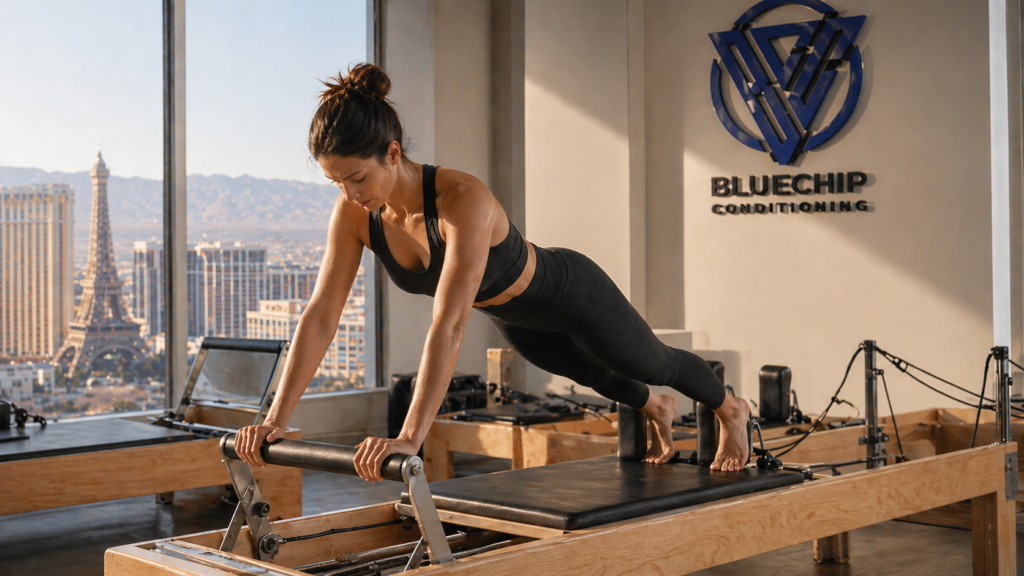
Pilates in Las Vegas is gaining attention because more people want training that feels intelligent, efficient, and sustainable instead of overly intense for no clear reason. In a city that runs fast and asks a lot from the body, this approach offers structure, precision, and real movement quality. It is not just about exercise anymore; it is about training in a way that supports posture, energy, and long-term performance. That shift matters for busy professionals, active adults, and anyone who wants fitness that fits into daily life without creating extra strain. Many people now look for methods that build strength while improving control, mobility, and recovery at the same time. That is one reason pilates in las vegas has moved from a niche interest to a practical choice for people who want more from every session. Why Smarter Fitness Is Replacing Random Workouts The old idea that fitness must always be harder, louder, and more exhausting is fading. People are asking a better question now: does this training actually improve how the body moves? In that context, pilates in las vegas stands out because it prioritizes alignment, core support, and clean movement patterns before adding complexity. A smarter program does not chase fatigue for its own sake. It focuses on how muscles work together, how joints are loaded, and how progress can be measured without unnecessary wear and tear. That is why the method appeals to both beginners and experienced clients. One session may improve awareness; another may challenge control; the next may strengthen endurance in a very focused way. The result is training that feels purposeful rather than random. Why does that matter in a city like Las Vegas?Because many people here balance long work hours, social schedules, travel, or high activity levels, and they need a fitness method that supports consistency, not burnout. A common misconception is that smarter training has to be gentle. That is not true. It can be highly demanding, just in a more precise way. A controlled sequence with proper resistance can challenge the deep stabilizers, glutes, hips, and back muscles harder than many people expect. The difference is that the challenge is organized, not chaotic. What Makes the Method Different? The key difference is that the system builds from the inside out. Instead of starting with speed or heavy load, it begins with control, breath, and alignment. From there, it layers in resistance, range of motion, and timing. That progression helps the body learn better habits under load. What is the biggest benefit of this style of training?It improves strength and movement quality together, so the body becomes more capable without relying on brute force alone. Another reason people choose pilates in las vegas is that it adapts well to different starting points. Someone returning after time away from exercise may need stability and gradual progress. Someone already fit may need more precision, asymmetrical challenge, and deeper muscle engagement. The framework works for both because the resistance and complexity can be adjusted without changing the core method. The method also makes feedback easier to notice. If your ribs flare, your pelvis tips, or one side compensates, you feel it quickly. That awareness matters because it turns each session into practical training for real life. Walking, lifting, sitting, carrying groceries, and even standing for long periods all become more efficient when movement quality improves. Why Do So Many Clients Prefer Reformer Work? The reformer has become one of the strongest reasons people explore reformer pilates las vegas. The carriage, springs, straps, and adjustable resistance create a highly adaptable setup that can be used for strength, mobility, and control. It allows a trainer to fine-tune difficulty without forcing the body into one fixed pattern. For many clients, reformer-based sessions feel more dynamic than mat-only work. They can train both stability and movement through a full range, which keeps the body challenged without making the exercise feel repetitive. The equipment also gives instant feedback. If a movement becomes sloppy, the carriage, springs, and body position make that obvious right away. Why do people like the reformer?Because it provides resistance, support, and versatility in one system, making each exercise more adjustable and more effective. This is also where reformer-based training has a clear advantage for different populations. People dealing with stiffness may benefit from guided mobility. Athletes may want unilateral control and better force transfer. Older adults may want a stable way to train safely. The same system serves all of them, but each person experiences it differently based on goals and ability. Who Benefits Most From This Approach? The audience is broader than many people think. In Las Vegas, the demand is not only from fitness enthusiasts. It also comes from people who sit for long hours, stand all day, recover from old injuries, or simply want to feel better moving through life. The method is appealing because it is structured, low-impact, and scalable. office workers, frequent travelers, and professionals with limited time.people who want posture support and core strength without high joint stress.active adults who want to keep training without feeling worn down.Best for clients who value coaching, form, and measurable improvement. For some clients, pilates in las vegas is a reset. For others, it becomes the main training method because it fills a gap that traditional strength routines often miss. Strength alone is useful, but if movement control is poor, the body can still compensate. A smarter system addresses both sides at once. How Does It Support Performance? A strong training method should transfer beyond the studio. That is one of the main reasons pilates in las vegas has become a trusted option for people who care about daily function. When the hips move better, the spine stays more supported, and the core responds faster, everyday tasks become easier. This is not abstract. A better squat pattern can help with lifting luggage. Better trunk stability can improve how a person sits through long meetings. Better hip control can reduce the feeling of strain
What Makes a Pilates Reformer Class Different From Traditional Pilates Workouts
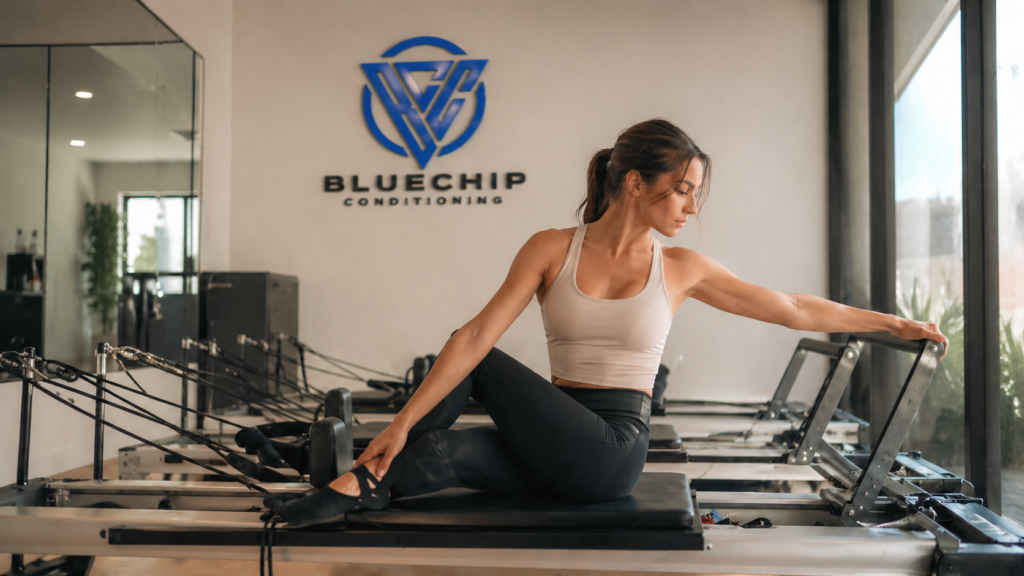
A pilates reformer class gives clients a more guided and resistance-based way to train than many floor-only Pilates routines. Traditional Pilates still matters, but the reformer changes the experience by adding springs, straps, and a moving carriage that creates feedback at every stage of the movement. That is why people often feel the work more clearly and remember the class long after it ends. In a market where wellness choices are crowded, such as reformer pilates las vegas, people are not only looking for movement. They want precision, posture support, and a format that feels structured without becoming rigid. That format fits that need because it blends control, resistance, and mobility in a way mat work alone cannot always match. What changes when the reformer enters the room? The machine itself is the biggest difference. A mat session relies on body weight, gravity, and sequencing. A pilates reformer class introduces a sliding platform, adjustable springs, foot bars, and pulleys that create support and resistance at the same time. That combination makes the work more technical, but also more adaptable. What is the reformer doing?The reformer doing is giving the body both help and challenge in the same exercise. A bridge, a leg press, or a strap series can become easier to organize because the carriage and springs provide clear physical feedback. At the same time, the resistance keeps muscles under tension in a way many floor exercises do not. In a pilates reformer class, that feedback loop is one of the main reasons clients notice changes quickly. Traditional Pilates remains useful for breath, control, and alignment. The reformer simply expands the range of outcomes. It can support general conditioning, post-rehab rebuilding, and athletic movement with a level of variation that mat work cannot always match. For anyone comparing options inside a pilates reformer studio las vegas, that versatility is usually the first advantage they notice. What does the reformer add?The reformer adds adjustable resistance, support, and real-time movement feedback. Why do clients feel the difference so quickly? The reformer makes mistakes easier to notice. On the mat, a client depends mostly on internal awareness and the instructor’s cues. In a pilates reformer class, the carriage shifts, the springs respond, and the straps pull back, so small errors become obvious almost immediately. A lifted shoulder, a rotated pelvis, or an unstable rib cage is harder to hide. Why does that matter?Because direct feedback helps the nervous system learn faster. When the body understands where to go and how much effort to use, movement becomes cleaner with less guessing. That is one reason a well-paced class often feels more efficient than a traditional floor sequence. Does the reformer make exercise harder?Yes, but it also makes movement more precise and easier to scale. Is this only for advanced clients?No, beginners often benefit because the machine helps guide alignment and control. This is also where local search intent matters. People looking for reformer pilates las vegas are usually searching for a class that feels premium, coached, and results-oriented. They are not just looking for a workout; they are looking for a better training experience. How does it support strength without heavy impact? A reformer is low-impact, but it is not low-intensity when programmed well. The spring system can challenge the legs, glutes, back, shoulders, and core while keeping joint stress relatively controlled. That balance is one reason a pilates reformer class appeals to beginners, active adults, and people returning to exercise after a long break. The useful part is scalability. Light spring tension can support learning and mobility. Heavier tension can demand more power and stamina. The same movement can become a coordination drill, a core drill, or a strength drill depending on the setup. In a pilates reformer class, that flexibility allows one format to serve multiple goals without losing structure. Problem: traditional workouts can feel too harsh for some bodies.Solution: a reformer offers resistance without the same level of impact, so clients can build strength more comfortably. Problem: some routines feel repetitive after a few weeks.Solution: the machine creates many exercise variations, so programming stays fresh while still following a clear method. What is the main benefit here?The body can work hard without feeling punished by the session. What kind of results do people usually notice? People often report better posture, better trunk awareness, and stronger support around the hips and shoulders. That is because a pilates reformer class asks the body to stabilize while it moves instead of simply repeating a movement pattern with little correction. Over time, that builds cleaner mechanics. The results are not just visual. Many clients also notice improved balance, easier transitions in daily movement, and better endurance in the smaller stabilizing muscles. A well-taught pilates reformer class can make standing, walking, lifting, and even sitting feel more organized because the body learns how to stack itself more efficiently. Can reformer training help posture?Yes, because it reinforces alignment, trunk control, and shoulder organization. Does it improve mobility?Yes, especially when the class combines controlled range with stable positioning. For studios competing in markets like pilates reformer studio las vegas, these outcomes matter because people want something concrete. They want a class that feels polished, but also delivers a physical return they can actually notice. A strong session also helps people understand effort in a cleaner way. Instead of chasing exhaustion, they learn how to create tension, release it, and repeat it with control. That skill carries into daily life, where posture, balance, and movement quality matter more than a dramatic sweat level. Over time, that makes the class feel both practical and premium. Who benefits most from this format? A pilates reformer class is useful for more than one type of client. It works well for office workers who sit for long hours, for athletes who want control and balance, and for adults who prefer low-impact training without giving up intensity. That broad appeal is part of why the format keeps growing. How does a studio use
How Pilates Vegas Is Transforming Body Alignment and Core Stability
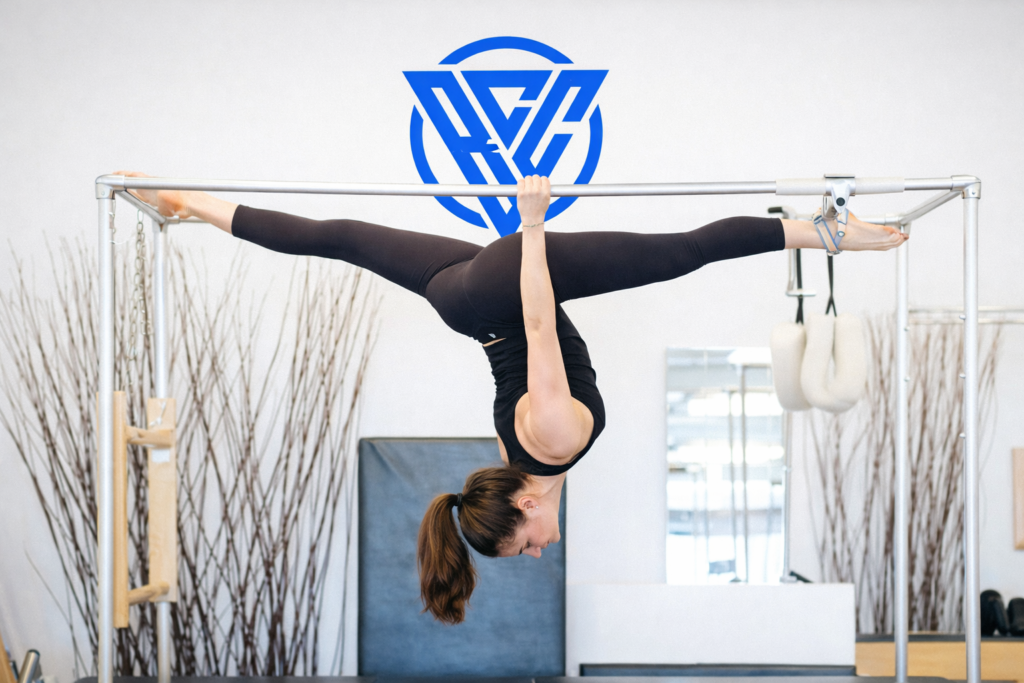
Introduction pilates vegas is gaining attention because people are no longer looking for workouts that only feel intense for a short time. They want training that improves posture, supports daily movement, and helps the body work more efficiently. That is where this method stands out. It focuses on alignment first, then builds strength in a way that feels controlled, precise, and sustainable. For many people, the real benefit is not only how they look after training but how they move during the rest of the day. Sitting at a desk, standing for long hours, lifting groceries, or walking with better balance all become easier when the core and spine work together. That is why more people are choosing pilates vegas as a long-term fitness solution instead of another short-lived routine. Why Does Body Alignment Matter So Much? Body alignment is more than standing straight. It is the way your joints, spine, pelvis, shoulders, and ribs coordinate so movement becomes smoother and less stressful. When alignment is off, the body compensates. That compensation often shows up as tight hips, rounded shoulders, lower-back discomfort, or uneven weight distribution. What happens when alignment improves?The body uses less energy to do the same movement. That simple shift matters because efficiency is what makes exercise feel better and everyday movement feel easier. A well-aligned body can transfer force more cleanly from the core to the limbs. In practice, that means stronger squats, steadier balance, better breathing patterns, and fewer unnecessary strains. This is one reason the method keeps growing in popularity. It trains the body to notice position, not just effort. Instead of pushing through movement blindly, the practice teaches control. That control helps the body recover from poor habits created by long sitting, repetitive work, or random training routines. The Hidden Cost of Poor Alignment Poor alignment does not always cause immediate pain. Sometimes it shows up slowly through small signs: stiff necks, weak glutes, tired lower backs, or shoulders that never seem to relax. Over time, these patterns can reduce performance in both workouts and daily life. A common problem is that people train muscles without training movement. The result is strength without coordination. The practice addresses that gap by linking mobility, control, and stability in one system. It does not ask the body to work harder in a careless way. It asks the body to work better. How Does Core Stability Support the Whole Body? Core stability is often misunderstood as abdominal strength alone. In reality, the core includes deep muscles around the trunk, pelvis, diaphragm, and spine that help the body stay balanced under load. When these muscles are active at the right time, movement becomes more secure. Why does core stability matter during exercise?Because it protects the spine while improving force transfer. That means the core acts like a central support system. Whether you are reaching overhead, rotating, stepping forward, or lowering into a squat, a stable core helps the body stay organized. Without it, other areas often take over. That is when hips tighten, backs overwork, and the body starts moving in a less efficient pattern. In this training style, the core is trained through breathing, precision, and controlled resistance. The goal is not to exhaust the body. The goal is to improve how the body stabilizes itself. This is why many clients notice they feel stronger without feeling beaten up after sessions. What Makes the Approach Different? Traditional training often rewards speed, load, and repetition. Those tools matter, but they do not always solve alignment problems. In contrast, the approach slows the process down enough for people to feel where the body is compensating. A session might look simple from the outside, but the internal work is detailed. Small adjustments in rib position, pelvis placement, or shoulder engagement can change the quality of an entire movement. That is the kind of precision many people have never learned in general fitness settings. This is also where best pilates instructors become especially important. Good coaching changes the experience from generic exercise to guided correction. A skilled instructor can identify patterns quickly and help each client move with better awareness. For someone serious about long-term progress, qualified coaching can make the difference between average improvement and measurable transformation. What Does a Smart Pilates Session Look Like? A strong session is built around intention. The body is not simply moving for the sake of movement. It is learning how to stack posture, activate the right muscles, and keep the system organized under tension. A clean session usually follows a clear progression. Before the work gets harder, the body is prepared through breathing and positioning. Then controlled exercises challenge the trunk, hips, and shoulders in ways that reward precision. The final result is not just fatigue. It is better coordination. How should a session begin?With breathing, posture checks, and light activation. That first stage matters because it sets the tone for everything else. When the spine and pelvis are placed well, the exercises that follow become more effective. When the setup is sloppy, the body starts compensating immediately. A Practical Step-by-Step Way to Improve Faster This approach is one reason it works so well for people who want measurable change without chaotic training. The method gives the body repeated opportunities to learn the right pattern before intensity increases. Pilates Vegas vs Traditional Gym Training The difference between these two approaches is not about which one is better for everyone. It is about what each one trains best. Traditional gym workouts are useful for load, power, and general conditioning. This method, on the other hand, is built more around alignment, control, and precision. Factor Pilates Vegas Traditional Gym Training Movement focus Controlled and aligned Often load-driven Core engagement Continuous and integrated Sometimes isolated Injury awareness High Depends on programming Posture support Strong Variable Daily movement carryover Very high Moderate to high This comparison matters because many people do not need more intensity. They need cleaner mechanics. That is where this method offers a
The Evolution of Fitness: Why Las Vegas Pilates Classes Are Leading the Change
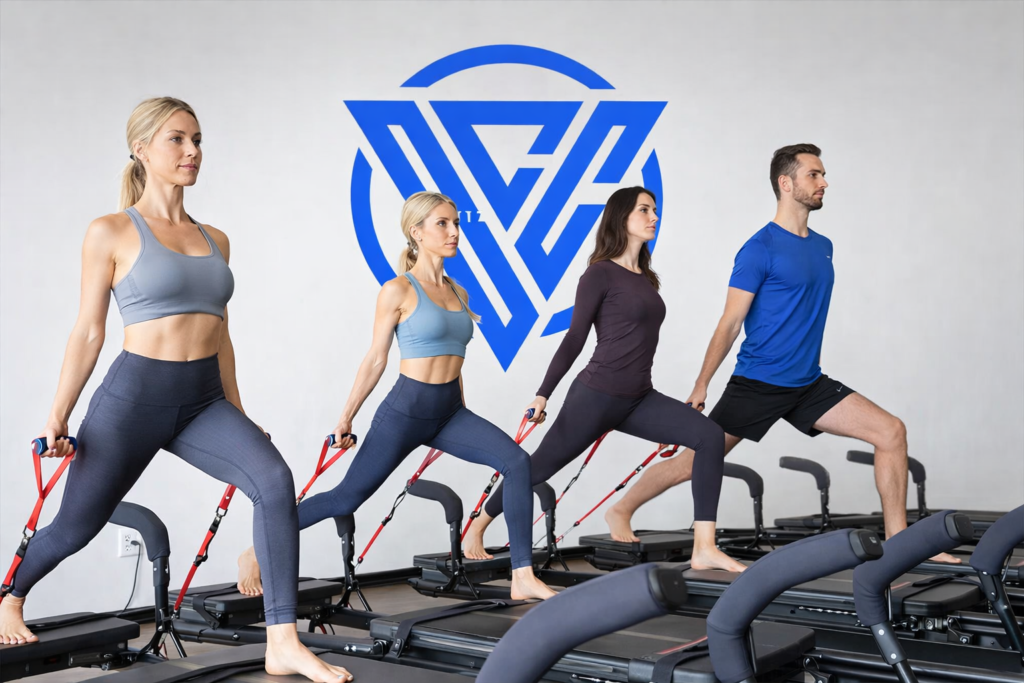
Introduction In a fitness market that changes fast, las vegas pilates classes have become a strong answer for people who want more than a quick sweat session. The demand has shifted from random intensity to structured movement, better control, and training that fits real life. That shift is not accidental. It reflects a larger change in how people think about strength, recovery, posture, and long-term performance. The appeal is easy to understand. Many people are no longer satisfied with workouts that leave them exhausted but not better. They want sessions that improve how the body moves, how the core supports daily activity, and how progress feels over time. That is exactly where las vegas pilates classes stand out, especially for people who want consistency, guided technique, and measurable improvement without unnecessary strain. Why the Fitness Mindset Has Changed For years, fitness was often measured by how hard a workout felt. That idea is now being replaced by a more practical standard: how well the training supports the body outside the studio. People want mobility that helps with work, strength that supports posture, and endurance that does not break them down. In that context, las vegas pilates classes feel less like a trend and more like a smarter model for modern training. A major reason for this change is that people are busier, more screen-focused, and more aware of body tension than before. Sitting for long hours, poor posture, and repeated movement patterns create a need for training that restores balance. Fitness is no longer only about intensity; it is about quality. That is why people choose this Pilates format when they want structure without stress, and that is also why las vegas pilates classes are drawing attention from both beginners and experienced clients. For many local clients, las vegas pilates classes are easier to commit to because the structure feels practical and the progress is easier to track. Another shift is the rise of training that feels more personal. People do not want generic programs that ignore mobility limits, desk-related stiffness, or recovery needs. They want movement that feels intelligent. In many cases, Pilates classes answer that need better than programs built only around speed or load. What is the real difference? It is simple: better movement quality creates better training outcomes. What makes progress feel real? Consistent movement, better alignment, and fewer breakdowns in form. That style of communication also reflects why Pilates works so well for today’s audience. How Pilates Fits Modern Training Goals The most important advantage of Pilates is that it trains the body with purpose. Instead of chasing fatigue, it encourages control, stability, and precise muscle activation. That matters because people want results they can feel and sustain. las vegas pilates classes make this possible by focusing on alignment, breath, and deep core support rather than random effort. A well-designed class can help improve balance, flexibility, coordination, and strength at the same time. That is useful for people who want to move better in everyday life, but it is also valuable for those who want athletic performance. In many cases, equipment-based sessions offer a more dynamic version of this approach because the machine adds resistance, support, and variety in one system. The result is training that feels challenging without becoming harsh. Why does controlled training matter? Because the body learns movement patterns through repetition. Answer: Controlled repetition improves technique and reduces wasted effort. This is one reason las vegas pilates classes are becoming part of broader fitness routines rather than a separate niche. They can support other training styles instead of competing with them. When the body is more stable and mobile, strength work often becomes cleaner, safer, and more effective. That is especially important for people who have tried intense plans before and realized that intensity alone does not always create progress. Another benefit is that the experience scales well. A beginner can learn the basics without being pushed too quickly, while a more advanced client can still find challenge through tempo, precision, and resistance. This makes Pilates useful across age groups and training backgrounds, which is one reason it has become more visible in local fitness conversations. What makes the format effective? The value here is not just in one session. It comes from consistent practice, which is why many people keep returning to las vegas pilates classes after trying other methods that felt too aggressive or too repetitive. Why Reformer-Based Training Is Gaining Attention Many people first discover Pilates through mat work, but reformer-based training often becomes the turning point. The machine gives resistance and support in a way that makes movement both accessible and challenging. This is where reformer pilates las vegas earns attention: it gives structure to the workout while still allowing a wide range of intensity. The reformer is useful because it meets different needs at the same time. Someone recovering from stiffness may use it to move safely. Someone building strength may use it to add load without harsh impact. Someone focused on performance may use it to refine movement patterns. That is a major reason reformer pilates las vegas is becoming a preferred option for people who want variety with purpose. It also helps people understand where they are strong and where they compensate. The carriage, springs, and guided resistance create feedback that is hard to ignore. That feedback is valuable because it helps the client train with more awareness, not less. In a market where many people want efficient results, that kind of precision matters. Best for which use-case? Training need Best fit Why it works Joint-friendly movement Reformer Pilates Offers support and guided resistance Balanced strength and mobility Las Vegas Pilates Classes Combines control with full-body engagement Technique refinement Reformer Pilates Makes form easier to feel and correct Everyday fitness consistency Las Vegas Pilates Classes Simple to repeat and easy to sustain This comparison shows a clear pattern. If a person wants a slower, more supportive introduction, a local studio that offers mat and
How Pilates Reformer Machines Make Workouts Safer and More Effective
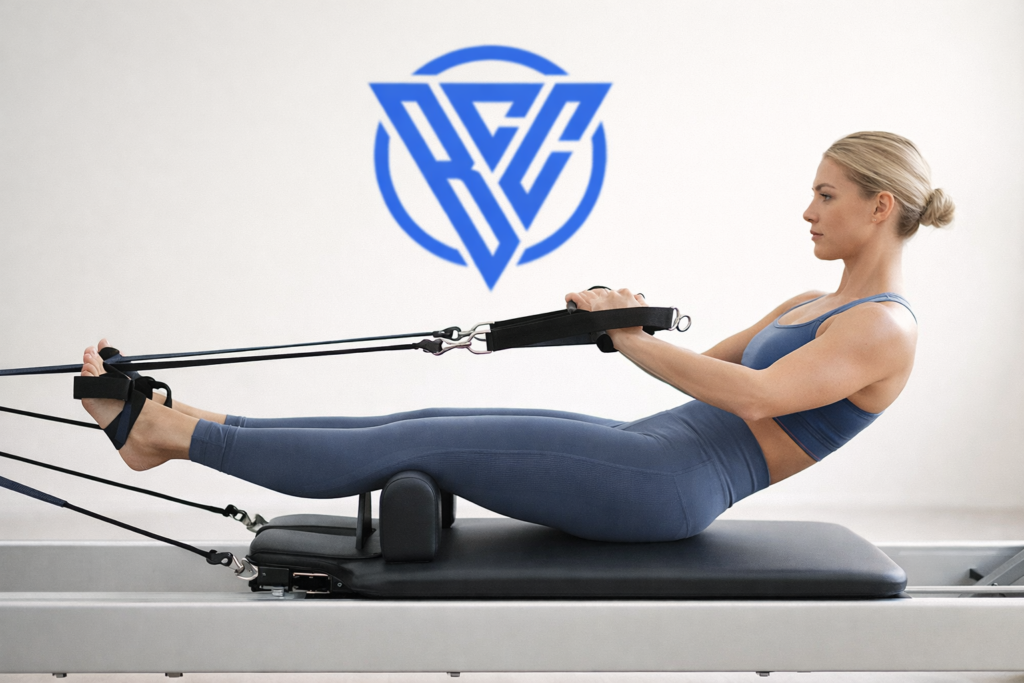
Introduction In modern fitness, people are looking for training methods that do more than burn calories. They want movement that feels controlled, efficient, and supportive of long-term progress. That is exactly where pilates reformer machines stand out. They bring structure to exercise, reduce unnecessary strain, and help people train with better alignment from the very beginning. For many users, the appeal is simple: safer movement, better body awareness, and stronger results without the harsh impact that often comes with traditional gym routines. Whether someone is new to exercise or returning after a break, pilates reformer machines for beginners can offer a practical entry point into strength, mobility, and stability work. And for those who also care about body composition, pilates reformer lose weight goals can be supported through consistent, disciplined training that is easy to maintain. Why Reformer-Based Training Feels Safer One of the biggest advantages of reformer training is the way it controls resistance. Instead of relying on momentum, the machine guides the body through a more deliberate range of motion. That creates a training environment where technique matters more than speed. In many cases, that alone lowers the risk of poor form and unnecessary joint stress. Traditional workouts often push people to lift heavier, move faster, or repeat exercises with fatigue-driven mechanics. That can work for advanced trainees, but it is not always ideal for everyone. Pilates reformer machines change the experience by offering support through springs, straps, and a sliding carriage. The resistance is adjustable, which means users can scale their workouts instead of forcing their bodies to adapt too quickly. This is especially useful for people who want a smarter start to fitness. Pilates reformer machines for beginners are designed to make movement feel accessible rather than intimidating. The machine itself encourages balance, control, and precision, which makes it easier to learn proper mechanics before intensity increases. That is an important reason so many trainers view reformer work as a safer foundation for consistent exercise. How the Machine Improves Training Quality Safety matters, but effectiveness matters just as much. A workout only becomes valuable when it produces a clear response in the body. Pilates reformer machines are effective because they combine resistance, stability, and mobility into one system. Instead of isolating a single muscle group in a narrow pattern, the body has to coordinate multiple muscles at once. That coordination is one of the reasons reformer sessions feel so efficient. The core stays active, the limbs move under control, and the stabilizing muscles are constantly engaged. Over time, this creates a cleaner movement pattern and a stronger base for everyday activity. A person does not just train harder; they train smarter. There is also a quality advantage in the way the reformer exposes weaknesses. If one side of the body is less stable or less mobile, it tends to show up quickly during the exercise. That feedback is useful because it helps users correct imbalance before it becomes a larger issue. In this sense, pilates reformer machines do not just build fitness. They refine it. Why Beginners Often Adapt Well to Reformer Work For many first-time users, the biggest challenge is not effort. It is confidence. New exercisers often worry about doing the movement wrong, overloading their joints, or keeping up with a fast-paced class. Pilates reformer machines for beginners help reduce that anxiety because the setup offers structure and guidance. The springs provide a level of support that bodyweight-only routines sometimes cannot match. The carriage movement gives clear feedback, and the straps help users learn control through a guided path. This makes the machine more approachable than it may first appear. People often realize quickly that the reformer is demanding, but not chaotic. Another reason beginners do well with this method is that it rewards patience. Progress comes from consistency, not from chasing exhaustion. That makes it easier to stay committed, which is often the real difference between short-term effort and long-term results. For that reason, pilates reformer machines for beginners are a strong option for people who want a serious workout without feeling overwhelmed. Key beginner advantages The Role of Core Control in Safety and Performance A strong core is not only about appearance. It is the center of body control, and it plays a major role in preventing poor mechanics. On reformer equipment, the core is rarely passive. Even simple movements require abdominal engagement, pelvic control, and steady breathing. That is part of why the method feels so effective. When the core works properly, the body can distribute effort more evenly. The lower back does not have to compensate as much. The shoulders can stay more organized. The hips and legs can move with better precision. This is one reason pilates reformer machines are trusted by people who want a training style that respects alignment instead of ignoring it. That same core engagement is also valuable for users who want body composition changes. A program built around consistency, control, and progressive resistance can help support pilates reformer lose weight goals in a realistic way. The key is not expecting one session to do everything. The real value comes from repeated, structured training that supports muscle use, calorie burn, and better movement habits over time. How Reformer Training Supports Weight Management There is a common assumption that only high-intensity cardio can help with weight management. In reality, sustainable results often come from a combination of consistency, muscle engagement, and recovery-friendly exercise. Pilates reformer machines fit that model well because they challenge the body without breaking it down excessively. That matters for people who struggle to stay active when workouts become too punishing. If exercise leaves someone overly sore, drained, or discouraged, consistency usually drops. Reformer training avoids that trap by offering strong work in a lower-impact format. It can be intense, but it does not have to be aggressive. For individuals aiming to pilates reformer lose weight, the most effective path is often a balanced routine. Reformer sessions can improve muscle tone, posture,
How Pilates Moves for Legs Transform Strength, Balance, and Flexibility Faster Than Gym Workouts
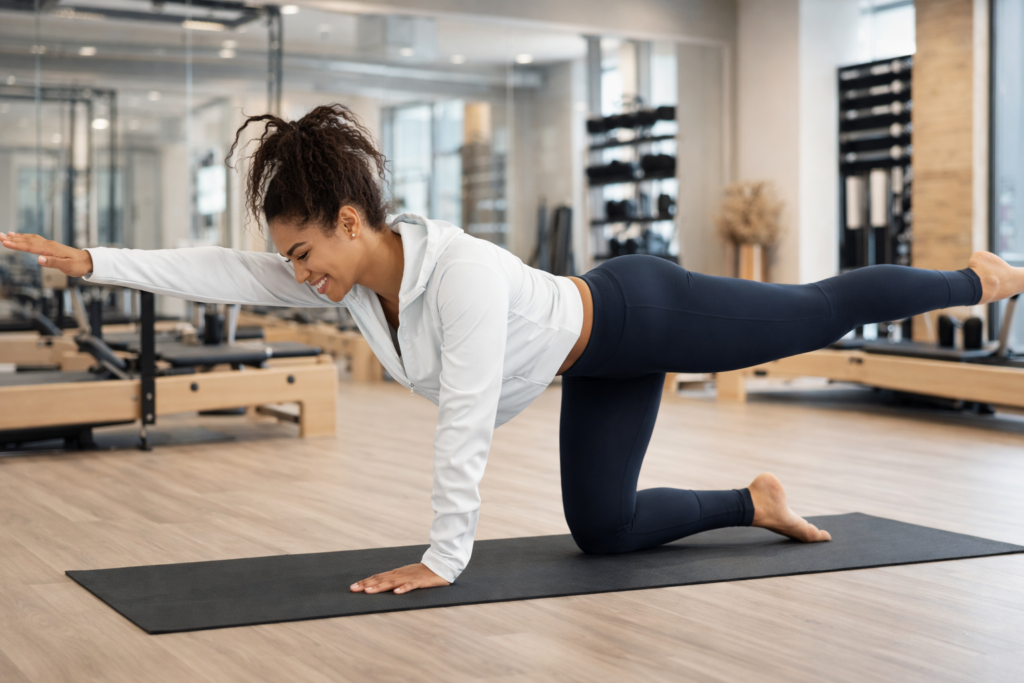
Introduction Lower body training has changed a lot in the last few years. People no longer want workouts that only leave them tired; they want sessions that improve control, movement quality, and visible performance at the same time. That is where pilates moves for legs stand out. The method focuses on precision, posture, and deep muscular engagement, which makes it a serious option for anyone looking to build a stronger and more functional lower body. Traditional gym routines can still be useful, but they often rely on heavier load, repetitive effort, and isolated force. Pilates works differently. It teaches the body how to move with intention, how to stay stable under tension, and how to use smaller support muscles that often get ignored. That difference is why pilates moves for legs can feel more complete, especially for people who want results that carry over into daily movement, not just the gym floor. Why Lower Body Training Needs a Smarter Approach Leg training is often treated like a numbers game. More weight, more reps, more fatigue. But the body does not always respond best to that formula, especially when movement quality is already limited by sitting, stress, or old compensation patterns. Strong legs are important, but controlled legs are what keep the hips, knees, and ankles working properly. Pilates changes the equation by asking the muscles to work in a more organized way. When a movement is done with control, alignment, and breath, the body begins to recruit the right muscles more efficiently. That is a big reason pilates moves for legs are useful for people who want balance as much as strength. The lower body learns to stabilize, not just push. That is one of the clearest ways pilates moves for legs separate themselves from simple leg-burning routines. This approach also helps people who feel tight, disconnected, or uneven from side to side. A workout that improves awareness can reveal weaknesses that a standard gym routine may miss. Over time, that awareness becomes part of the training result itself. How Pilates Builds Stronger Legs Without Excess Strain A lot of leg programs create stress first and improvement later. Pilates is different because it builds strength through repeated control rather than brute force. That makes it particularly appealing for people who want lower-body development without unnecessary joint pressure. The muscles work hard, but the pattern is clean and deliberate. In many cases, pilates moves for legs create more carryover than a workout that only chases fatigue. With pilates moves for legs, the body is asked to stay centered while the limbs move through space. That creates a better connection between the core and the lower body. When that connection improves, force travels more efficiently through the hips and legs. The result is not just stronger muscles, but better mechanics. That is the practical promise of pilates moves for legs when they are used with consistency. This is one reason people often notice an improved “feel” in movement before they notice visible changes. Walking, stair climbing, squatting, and standing for long periods can all become easier when the legs know how to support the body properly. Pilates develops that kind of usable strength. Core Qualities That Make the Method Different Pilates is not only about the legs. It is about how the legs connect to the pelvis, trunk, and feet. That whole-chain approach is one of the biggest reasons the method works so well. It improves the mechanics behind strength, which is often where true progress starts. 1) Better alignment Alignment is one of the biggest hidden factors in lower-body performance. If the hips tilt, the knees collapse inward, or the feet lose contact with the floor, the legs cannot work efficiently. Pilates moves for legs help the body stay stacked and organized, which gives every repetition more value. 2) Controlled range of motion Moving through a full range is useful only when the body can control that range. Pilates teaches the muscles to stay active in both shortened and lengthened positions. That is why pilates leg exercises often feel challenging even when they do not use heavy resistance. 3) Better balance under load Balance is not just about standing on one foot. It is about controlling small shifts in pressure through the body. Pilates trains that skill in a very practical way. Over time, the legs become more reliable because the body learns how to adjust without losing form. 4) Joint-friendly intensity Many people need a lower-impact training method they can repeat consistently. Pilates offers that. The work is still demanding, but it usually avoids the sharp impact and excessive compression that can come with other forms of leg training. That helps build consistency, and consistency drives results. What Happens During Pilates Leg Work When the lower body is trained through pilates moves for legs, the muscles are not simply pushed to exhaustion. They are trained to stay attentive. That difference matters. Attention improves quality. Quality improves efficiency. Efficiency leads to better movement. A typical Pilates-based leg session may ask the inner thighs to stabilize, the glutes to support the pelvis, the hamstrings to control motion, and the calves to assist with balance. At the same time, the core stays engaged so the body does not wobble through the task. That whole-body participation is what makes the work feel deeper than a basic leg circuit. The exercises may look simple from the outside, but they often demand more control than people expect. That is also why the method can expose weak links quickly. If one side is stronger than the other, or if the pelvis shifts during movement, the body usually tells on itself fast. That feedback is useful because it helps people improve before poor mechanics become routine. Why the Results Often Show Up Faster Results are not only about muscle size. They are also about how quickly the body moves better. Pilates is effective because it creates meaningful change in both areas. When the nervous system learns a
How Pilates Reformer Exercises Improve Posture and Core Strength Naturally
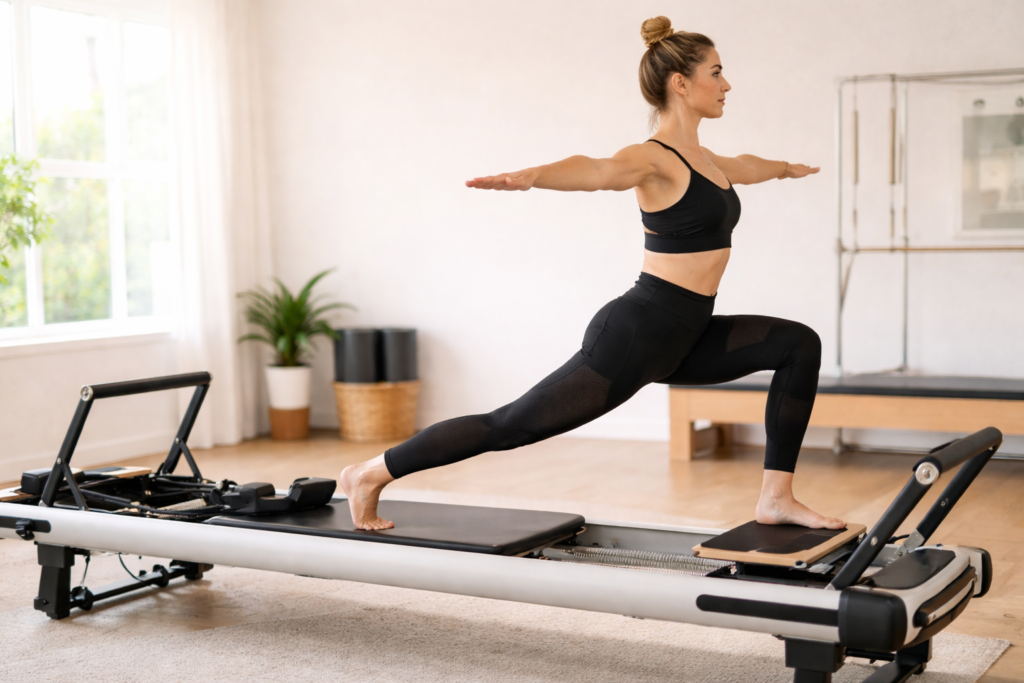
Introduction Posture is one of those things people usually notice only when it starts to slip. A stiff neck, a tired lower back, shoulders that keep rounding forward, or a body that feels “off” after sitting too long are all signs that alignment needs attention. This is where pilates reformer exercises stand out. They do not rely on impact, speed, or brute force. They focus on controlled movement, body awareness, and steady muscle engagement. The reason this method has lasting value is simple: posture is not only about appearance. It affects how the spine is supported, how the ribs expand, how the hips move, and how the body handles daily tasks. When these pieces work together, standing and moving feel easier. When they do not, strain builds quietly over time. pilates reformer exercises help correct that imbalance by training the deeper stabilizing muscles that keep the body organized from the inside out. Another strength of this method is that it blends structure with adaptability. A beginner can use the reformer to learn alignment without feeling overwhelmed, while a more experienced client can use it to refine control and build deeper strength. That is why so many people exploring local reformer classes are looking for more than a workout. They want a system that improves movement quality, not just calorie burn. For clients who prefer a guided environment, a dedicated studio environment can make a major difference. The machine, springs, and straps create feedback that helps the body understand where it is working too hard and where it needs more support. Over time, that feedback becomes a learning tool. It teaches the body to stack, stabilize, and move with better efficiency, which is the foundation for both posture and core strength. Why posture improves through reformer-based training Good posture is not about forcing the chest up or pulling the shoulders back in an exaggerated way. Real posture comes from balance. The spine needs support from the core, hips, upper back, and breathing system working together. When one area is weak or overactive, the rest of the body usually compensates. pilates reformer exercises help reduce that compensation by building awareness and strength in the right places. The moving carriage changes how the body works. It creates a stable challenge without making the movement rigid. That means the small stabilizing muscles must stay alert while the larger muscles assist in a controlled way. This is one reason reformer work can improve posture more effectively than random exercise. It teaches the body to hold itself well while still moving freely. Another reason the method works is that it trains alignment under pressure. Many people can stand tall for a moment if they think about it, but they cannot keep that position when they move, sit, or reach. pilates reformer exercises teach the body to keep that support during motion. That is where posture actually changes in daily life. Core strength that supports real movement Core strength is often misunderstood. It is not just about visible abdominal muscles or holding a long plank for as long as possible. The deeper goal is stability. The core must control the pelvis, protect the spine, and transfer force between the upper and lower body. pilates reformer exercises are especially effective because they train that function directly. Instead of isolating one area, the reformer asks the body to coordinate many areas at once. The abdomen engages, the pelvic floor supports, the hips stay active, and the back muscles contribute without over-tightening. That creates strength that feels useful, not just cosmetic. When the center becomes more stable, the rest of the body moves with more confidence. This is also why people who train regularly often notice improvements in balance and endurance. The body is not wasting energy on unnecessary tension. It is learning to work more efficiently. For anyone seeking a smarter approach than repetitive crunches or rushed gym work, pilates reformer exercises offer a more complete path. Key ways the method improves posture 1. It strengthens the deep support system The muscles that matter most for posture are not always the ones people see in the mirror. The deeper layers around the trunk and pelvis are what keep the spine organized. The reformer encourages these muscles to activate consistently because the body must stay balanced against resistance. That kind of work builds support instead of stiffness, which is a major distinction. When practiced with consistency, pilates reformer exercises reduce the body’s tendency to rely too heavily on the lower back and shoulders. That makes standing, walking, and sitting feel more natural. It also helps the body maintain a taller position without constant effort. In a well-run dedicated studio environment, that type of training can be guided with precision so the client learns exactly where support should come from. 2. It improves shoulder and hip alignment Rounded shoulders and uneven hip positioning are common in modern life, especially for people who sit for long periods or spend hours at a desk. The reformer helps correct these patterns by opening the chest, strengthening the upper back, and training the hips to work symmetrically. That balance matters because posture problems often spread through the body rather than staying in one place. When the shoulders are supported and the hips are stable, the spine can settle into a more natural line. This is one reason pilates reformer exercises are often recommended for people who want to improve daily movement habits, not just one isolated muscle group. The work is subtle, but the effect is noticeable over time. 3. It increases movement awareness A major benefit of reformer training is that it makes the body more aware of itself. Small adjustments become easier to feel. If the ribs flare, the shoulders tense, or the pelvis shifts too far, the carriage provides instant feedback. That feedback is powerful because posture cannot improve well when the body keeps repeating the same hidden errors. With repetition, the nervous system begins to recognize better positions and cleaner
Why Elite Athlete Development Improves Both Physical and Mental Strength
Introduction Elite athlete development improves performance because it is not limited to fitness alone. It connects physical preparation, movement quality, discipline, recovery, and focus into one system. Athletes who train in this way usually become more reliable under pressure, more efficient in motion, and more stable in competition. The result is not only a stronger body, but also a stronger mind.A Better Physical Base Creates Better Performance The first benefit of elite athlete development is physical. Athletes need force, stability, and coordination before they can perform at a high level. A body that moves well can produce more power with less wasted effort. That matters in every sport, from sprinting to field play to court movement. When the physical base is built properly, athletes gain more than muscle. They gain better alignment, stronger joints, improved mobility, and a cleaner movement pattern under fatigue. This is one reason elite athlete development is so effective. It does not chase random effort. It creates usable strength that matches real athletic demand. Physical progress also gives athletes more confidence. When they can accelerate harder, land better, cut faster, or recover quicker between efforts, they start competing with more certainty. That confidence is not emotional guesswork. It is a result of preparation. How Training Builds Mental Strength Mental strength is not just personality. It is a trained response. elite athlete development teaches that response by placing the athlete in a structured environment where effort, repetition, and attention matter every day. Over time, the athlete learns how to handle discomfort without losing focus. This is important because competition rarely stays comfortable. The athlete may get tired, make mistakes, or face pressure that changes the rhythm of the game. A good training system prepares them for that reality. It teaches them how to stay calm, follow the plan, and keep the next play in mind rather than getting trapped by one bad moment. Discipline is a major part of this process. Athletes who show up consistently, even when motivation is low, begin to build a strong mental habit. They learn that preparation matters more than mood. That lesson is one of the quiet strengths of elite athlete development. Mental gains that show up in competition These gains often matter as much as physical talent. Two athletes may look similar on paper, but the one with better mental control usually performs better when the pressure rises. Why Physical and Mental Strength Must Grow Together The best results happen when physical and mental development are trained together. A stronger body can support a calmer mind, and a stronger mind can protect physical output under pressure. That connection is one of the main reasons elite athlete development stands out from ordinary workout routines. If an athlete only gets stronger but never learns how to manage stress, they may still break down when the game becomes chaotic. If an athlete only works on mindset but lacks a strong physical base, they may not be able to express their skills consistently. Real performance needs both sides working at the same time. A complete program also creates better trust. When athletes know that every session has a purpose, they stop guessing and start committing. That trust reduces hesitation and improves the quality of effort. It also makes the whole process easier to sustain over time. This is where bluechip conditioning becomes useful. A serious training environment should not depend on hype. It should give athletes a system that feels clear, controlled, and practical. That is the kind of structure that supports both confidence and performance. Recovery Is Part of Strength Recovery is often treated like a separate issue, but in reality it is part of performance. elite athlete development depends on recovery because training only works when the body has time to adapt. Without that adaptation, the athlete may become tired, sloppy, or mentally flat. Recovery includes sleep, nutrition, hydration, and smart workload planning, but it also includes mental recovery. Athletes need time to reset their attention, lower stress, and return to training with a clear mind. When that does not happen, even high-quality training can lose effectiveness. Control matters here as well. An athlete who knows how to regulate effort, breathing, and tempo is usually better prepared for long-term progress. They do not waste energy early. They stay more efficient late in the session. They also handle competition stress with more stability. Recovery supports performance by This is one of the reasons elite athlete development is more sustainable than a purely intensity-based approach. It creates performance that can repeat, not just performance that flashes for a moment. Precision Training Improves Body Awareness One of the less discussed advantages of elite athlete development is body awareness. Athletes need to know where their body is in space, how their joints are moving, and how to control posture when the pace changes. Without that awareness, they may be strong but still inefficient. Controlled movement work helps build this quality. A pilates studio las vegas style of training can be valuable here because it emphasizes alignment, balance, and controlled execution. Those are useful traits for athletes who need to move with more clarity and less compensation. Body awareness improves performance in simple but important ways. It helps athletes land more safely. It helps them turn more efficiently. It helps them transfer force without wasting motion. It also supports injury prevention because the athlete is more likely to notice poor mechanics before they become a real problem. That is why elite athlete development should not be reduced to lifting and conditioning alone. Movement precision is part of the system. The athlete who can control their body well usually has more usable strength than the athlete who only knows how to push harder. Personalization Makes the Process More Effective No two athletes need the same program. Age, sport, competitive level, current fitness, and training history all shape the right approach. elite athlete development becomes much more effective when those differences are respected. A younger athlete may need
Pilates Class Cost: Complete Guide to Pricing, Plans & What You Should Really Pay in 2026
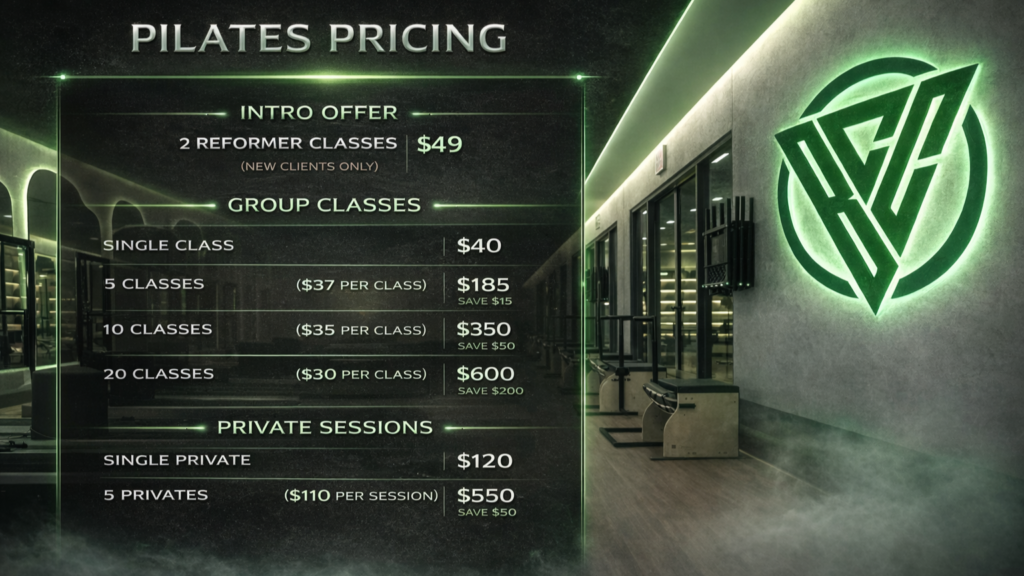
INTRODUCTION When people first start exploring fitness, one of the biggest questions they ask is about pilates class cost. It’s completely normal you want to know what you’re investing in before committing your time, energy, and money. The truth is, pilates class cost can vary widely depending on the studio, type of class, and level of personalization you choose. Some people assume it’s expensive, while others think it’s affordable, but the reality sits somewhere in between. If you’re serious about improving your body through flexibility, strength, and controlled movement, understanding the pilates class cost becomes even more important. This is not just about price it’s about value. A well-structured Pilates program can help you build lean muscle, reduce fat, improve posture, and even prevent injuries. That’s why choosing the right place matters just as much as knowing the cost. In this detailed guide, we’ll break down everything you need to know about pilates class cost, especially if you’re considering joining a premium yet results-driven studio like Bluechip Conditioning. You’ll get a clear idea of pricing, options, and how to choose what fits your goals. WHAT DETERMINES PILATES CLASS COST? The pilates class cost is not fixed. It depends on multiple factors, and understanding them will help you make smarter decisions. First, the type of class matters a lot. Group classes are usually more affordable because the cost is shared among multiple participants. On the other hand, private sessions are more expensive because you get one-on-one attention. Another factor that affects pilates class cost is the experience of the instructor. Highly trained instructors with certifications and years of experience tend to charge more, but they also deliver better results. Location also plays a big role. For example, pilates class las vegas pricing is often higher than smaller cities because of demand and quality standards. Lastly, the equipment used can influence the pilates class cost. Studios with reformers and advanced machines charge more than mat-based classes. But remember, you’re not just paying for equipment you’re paying for results, guidance, and a structured system that works. A COMPLETE BREAKDOWN OF PILATES CLASS COST AT BLUECHIP CONDITIONING When it comes to value, Bluechip Conditioning offers one of the most balanced structures in terms of pilates class cost. Whether you’re a beginner or an advanced athlete, there’s a plan designed for you. New Client Offers Starting your journey doesn’t have to be expensive. The entry-level pilates class cost here is designed to help beginners test the waters without pressure. You can start with a free demo session, which gives you a feel of the training style and environment. The first reformer group class is priced at just $20, making it one of the most affordable entry points in pilates class las vegas. There’s also a $99 new client package that includes both semi-private and group sessions, offering a complete experience at a low initial pilates class cost. Monthly Membership Plans If you’re consistent, monthly memberships significantly reduce your pilates class cost. The more classes you attend, the cheaper each session becomes. Plans range from $109 to $249 per month, depending on how many sessions you choose. This is where long-term transformation happens. Regular sessions not only lower your average pilates class cost, but also help you build discipline and see real results. Compared to other pilates class las vegas options, this pricing is competitive and value-driven. Class Packages (No Commitment) Not everyone wants a monthly plan, and that’s okay. Flexible packages are perfect if you want control over your schedule. The pilates class cost in these packages ranges between $18 to $25 per session depending on how many classes you buy. This is a great option if you’re balancing work, travel, or other commitments. You still get high-quality training without being locked into a contract, which makes this version of pilates class cost very practical. Semi-Private Sessions If you want more attention but don’t want to go fully private, semi-private sessions are ideal. The pilates class cost here is slightly higher than group classes but offers much more personalized guidance. These sessions are especially effective for improving Flexibility and strength training, as instructors can focus on your form and progress. You get the benefits of coaching without paying full private session rates. Private One-on-One Sessions For maximum results, private sessions offer the highest level of customization. The pilates class cost here ranges from $98 to $140 per session, depending on the trainer and package. This is perfect for injury recovery, targeted fat loss, or advanced performance goals. While the pilates class cost is higher, the results are faster and more precise, making it worth the investment. WHY PILATES IS WORTH THE COST Some people hesitate when they see the pilates class cost, but they often don’t consider the long-term benefits. Pilates is not just another workout—it’s a system designed to transform your body from the inside out. It helps you build lean muscle without bulking, improves posture, reduces back pain, and enhances mobility. When you compare the pilates class cost to medical bills, physiotherapy, or ineffective gym memberships, it actually becomes a smart investment. Most importantly, Pilates is beginner-friendly and doesn’t require heavy equipment. Even though you train in a studio, many exercises rely on body control, making it sustainable long-term. COMPARISON: BLUECHIP CONDITIONING VS OTHER STUDIOS When comparing pilates class cost, it’s important to look beyond price and focus on value. Many studios in pilates class las vegas charge between $30 to $55 per class, especially for reformer sessions. At Bluechip Conditioning, the cost can go as low as $10 per class with membership plans. That’s a huge advantage. Plus, the quality of coaching, structured programs, and focus on Flexibility and strength training makes it stand out. If you’re also exploring options like studio rental las vegas, you’ll notice that renting a space separately and hiring a trainer often ends up costing more than joining a complete program like this. WHO SHOULD CHOOSE WHICH PLAN? Understanding your goals helps you decide the right