
Introduction
Elite athlete development improves performance because it is not limited to fitness alone. It connects physical preparation, movement quality, discipline, recovery, and focus into one system. Athletes who train in this way usually become more reliable under pressure, more efficient in motion, and more stable in competition. The result is not only a stronger body, but also a stronger mind.A Better Physical Base Creates Better Performance
The first benefit of elite athlete development is physical. Athletes need force, stability, and coordination before they can perform at a high level. A body that moves well can produce more power with less wasted effort. That matters in every sport, from sprinting to field play to court movement.
When the physical base is built properly, athletes gain more than muscle. They gain better alignment, stronger joints, improved mobility, and a cleaner movement pattern under fatigue. This is one reason elite athlete development is so effective. It does not chase random effort. It creates usable strength that matches real athletic demand.
Physical progress also gives athletes more confidence. When they can accelerate harder, land better, cut faster, or recover quicker between efforts, they start competing with more certainty. That confidence is not emotional guesswork. It is a result of preparation.
How Training Builds Mental Strength
Mental strength is not just personality. It is a trained response. elite athlete development teaches that response by placing the athlete in a structured environment where effort, repetition, and attention matter every day. Over time, the athlete learns how to handle discomfort without losing focus.
This is important because competition rarely stays comfortable. The athlete may get tired, make mistakes, or face pressure that changes the rhythm of the game. A good training system prepares them for that reality. It teaches them how to stay calm, follow the plan, and keep the next play in mind rather than getting trapped by one bad moment.
Discipline is a major part of this process. Athletes who show up consistently, even when motivation is low, begin to build a strong mental habit. They learn that preparation matters more than mood. That lesson is one of the quiet strengths of elite athlete development.
Mental gains that show up in competition
- Better focus when the environment is noisy or stressful
- Stronger emotional control after mistakes
- More trust in preparation and coaching
- Faster mental reset after fatigue or setbacks
These gains often matter as much as physical talent. Two athletes may look similar on paper, but the one with better mental control usually performs better when the pressure rises.
Why Physical and Mental Strength Must Grow Together
The best results happen when physical and mental development are trained together. A stronger body can support a calmer mind, and a stronger mind can protect physical output under pressure. That connection is one of the main reasons elite athlete development stands out from ordinary workout routines.
If an athlete only gets stronger but never learns how to manage stress, they may still break down when the game becomes chaotic. If an athlete only works on mindset but lacks a strong physical base, they may not be able to express their skills consistently. Real performance needs both sides working at the same time.
A complete program also creates better trust. When athletes know that every session has a purpose, they stop guessing and start committing. That trust reduces hesitation and improves the quality of effort. It also makes the whole process easier to sustain over time.
This is where bluechip conditioning becomes useful. A serious training environment should not depend on hype. It should give athletes a system that feels clear, controlled, and practical. That is the kind of structure that supports both confidence and performance.
Recovery Is Part of Strength
Recovery is often treated like a separate issue, but in reality it is part of performance. elite athlete development depends on recovery because training only works when the body has time to adapt. Without that adaptation, the athlete may become tired, sloppy, or mentally flat.
Recovery includes sleep, nutrition, hydration, and smart workload planning, but it also includes mental recovery. Athletes need time to reset their attention, lower stress, and return to training with a clear mind. When that does not happen, even high-quality training can lose effectiveness.
Control matters here as well. An athlete who knows how to regulate effort, breathing, and tempo is usually better prepared for long-term progress. They do not waste energy early. They stay more efficient late in the session. They also handle competition stress with more stability.
Recovery supports performance by
- Protecting movement quality across the week
- Reducing accumulated fatigue from hard sessions
- Improving readiness for the next workout or match
- Lowering the chance of avoidable injury
This is one of the reasons elite athlete development is more sustainable than a purely intensity-based approach. It creates performance that can repeat, not just performance that flashes for a moment.
Precision Training Improves Body Awareness
One of the less discussed advantages of elite athlete development is body awareness. Athletes need to know where their body is in space, how their joints are moving, and how to control posture when the pace changes. Without that awareness, they may be strong but still inefficient.
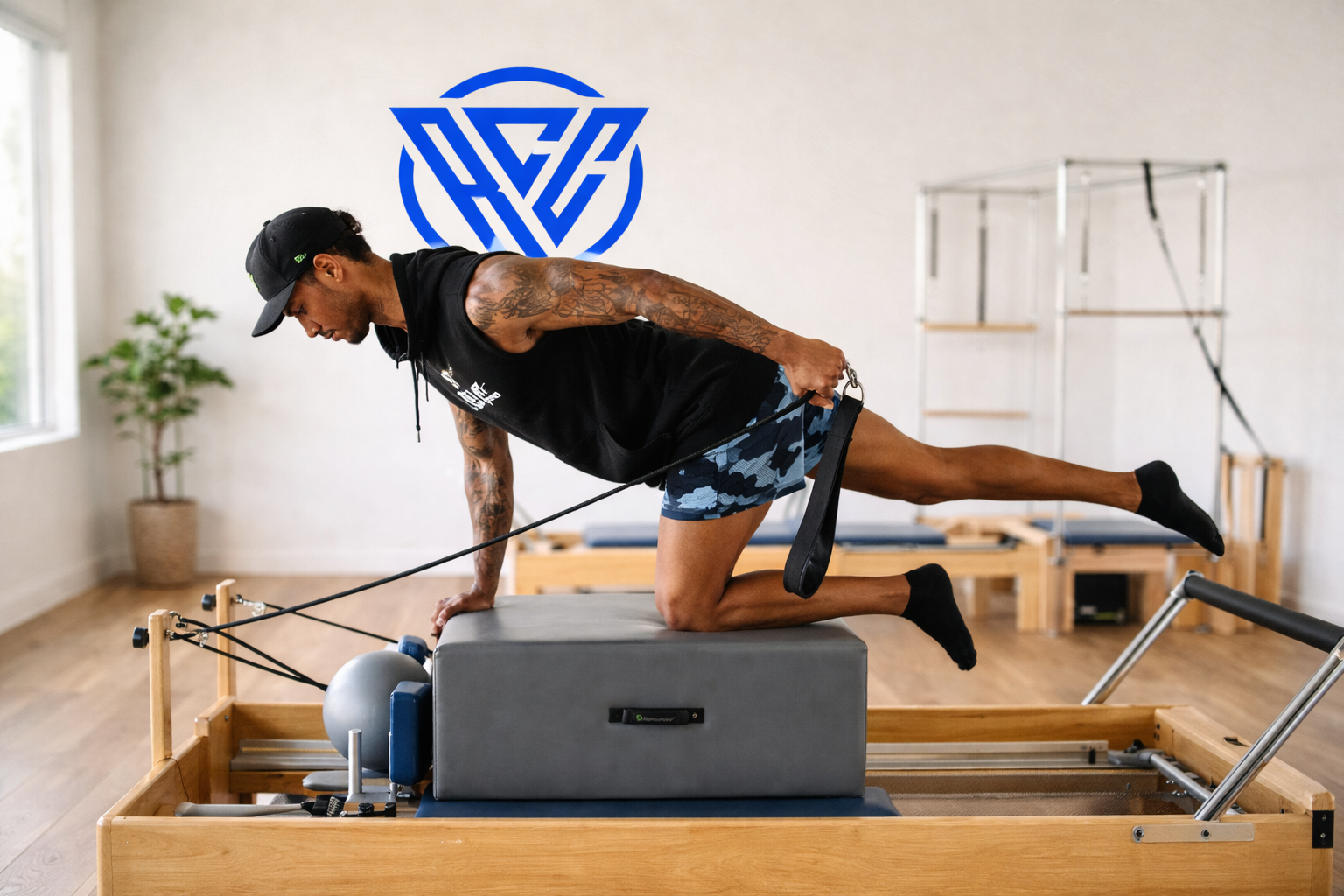
Controlled movement work helps build this quality. A pilates studio las vegas style of training can be valuable here because it emphasizes alignment, balance, and controlled execution. Those are useful traits for athletes who need to move with more clarity and less compensation.
Body awareness improves performance in simple but important ways. It helps athletes land more safely. It helps them turn more efficiently. It helps them transfer force without wasting motion. It also supports injury prevention because the athlete is more likely to notice poor mechanics before they become a real problem.
That is why elite athlete development should not be reduced to lifting and conditioning alone. Movement precision is part of the system. The athlete who can control their body well usually has more usable strength than the athlete who only knows how to push harder.
Personalization Makes the Process More Effective
No two athletes need the same program. Age, sport, competitive level, current fitness, and training history all shape the right approach. elite athlete development becomes much more effective when those differences are respected.
A younger athlete may need movement education and basic strength. An experienced athlete may need speed, power, and recovery management. A returning athlete may need gradual rebuilding. An in-season athlete may need maintenance and readiness. The coach has to match the session to the person, not the other way around.
That is where good planning matters. The athlete should feel challenged, but not crushed. They should improve, but not constantly burn out. A program that understands this balance creates better long-term results and fewer setbacks. This is also why bluechip conditioning works best when it stays flexible and athlete-focused.
Personalized planning helps athletes
- Train with more efficiency and less wasted effort
- Improve the qualities that matter most to their sport
- Stay consistent without building excess fatigue
- Progress at a pace their body can actually support
This kind of planning is a major reason elite athlete development is respected in serious training environments. It gives the athlete a path, not just a workout.
Why Athletes Need Standards, Not Just Motivation
Motivation is useful, but it is not enough. Athletes cannot rely on feeling ready every day. They need standards. elite athlete development builds those standards by making consistency, attention, and effort part of the training culture.
A strong standard teaches the athlete how to train with purpose. It shows them how to warm up properly, move with intent, take feedback, and complete sessions with focus. These are small things on the surface, but they shape how the athlete performs when the game becomes intense.
Standards also reduce mental drift. Athletes who know what good looks like are less likely to improvise in unhelpful ways. They become more disciplined, more coachable, and more stable under pressure. That is a real competitive advantage.
This is one reason athletes respond well to this approach. A structured environment creates habits that carry over into sport. It makes the athlete more dependable because the process is clear and repeated often enough to become natural.
The Competitive Edge Comes From Small Details
At higher levels of sport, the difference between winning and losing is often small. It may be one more clean rep, one better decision, one faster reaction, or one more controlled landing. elite athlete development pays attention to those details because they compound over time.
Good athletes are not only built by big workouts. They are also shaped by the smaller things that happen every week. How well they sleep. How well they recover. How well they listen. How well they manage their breath. How well they maintain technique when tired. These factors matter because they influence repeatability.
A pilates studio las vegas environment can support this kind of precision because it teaches athletes to move with intent and awareness. That type of control often translates into better performance in the weight room and on the field. It is not a replacement for strength and conditioning. It is a support system that improves the quality of the bigger work.
The best programs use those details as part of a larger plan. That is how elite athlete development creates a competitive edge that is real, not just theoretical.
Why Long-Term Results Depend on Structure
Many athletes can train hard for a short period. Fewer can improve consistently for months or years. The difference is structure. elite athlete development works because it gives performance a framework that can be repeated, adjusted, and sustained.
Structure helps coaches monitor response. It helps athletes understand why they are doing a drill instead of just doing it. It also makes it easier to adjust when something is not working. That matters because athletes change across seasons. Their workload, stress, and goals all shift.
A structured approach also protects confidence. When the athlete knows the plan is organized, they are less likely to panic when one session feels off. They understand that progress happens over time, not in one day. That mindset supports both patience and commitment.
In a professional setting, the system reflects that kind of logic. The focus is not on empty intensity. The focus is on getting the right result from the right method.
The Coaching Environment Shapes the Athlete
Athletes do not improve in a vacuum. The environment around them affects how they train, how they recover, and how seriously they approach the process. elite athlete development works best when the setting is clear, professional, and easy to trust. A good environment reduces distraction and helps the athlete stay locked into the work.
This is where coaching quality becomes important. A coach should be able to explain the purpose of each phase, correct mistakes without creating confusion, and adjust the workload when needed. Athletes respond better when they understand the standard and see it applied consistently. That consistency makes the training feel less emotional and more productive.
It also helps when the athlete has access to a space that supports movement quality and focus. A pilates studio las vegas style setting can add value because it encourages precision and control, two things that often get ignored in faster training sessions. When athletes learn how to move with better awareness, they usually handle load more efficiently.
bluechip conditioning fits well into that type of environment because it prioritizes structure over noise. The athlete is not guessing what matters. They know the process has intent behind it. That clarity helps reduce stress and improves buy-in, which is a major reason elite athlete development becomes easier to sustain.
The coaching environment should challenge the athlete, but it should also give them confidence that the work is building toward something meaningful. When that balance is right, improvement becomes more consistent and mental pressure feels more manageable.
How Coaches Measure Progress
Progress in a serious training program should be visible, but it should also be measured in a way that reflects the real demands of sport. A coach looks at more than one number. The better approach is to watch how the athlete responds across several weeks. That includes physical output, technical quality, recovery speed, and mental steadiness. When those markers move in the right direction together, the program is working.
Useful ways to track progress
- Cleaner movement under fatigue
- Better force output without technical loss
- Stronger consistency from week to week
- Improved focus during demanding sessions
This kind of monitoring keeps training practical. It also helps the athlete understand that progress is not always dramatic in the moment. Sometimes the biggest gains show up in how stable, efficient, and composed the athlete becomes over time.
Why Consistency Beats Short Bursts of Intensity
Many athletes can push hard for a short stretch. Fewer can stay productive for months. Consistency is the real separator. It lets the body adapt gradually and gives the mind repetition to build trust.
Consistency usually leads to
- Better adaptation from strength and conditioning work
- Less mental burnout during long seasons
- More reliable performance under pressure
- Greater confidence in the training plan
When the athlete understands that steady work matters more than occasional extremes, training becomes easier to sustain and turns into part of a bigger performance identity.
Conclusion
elite athlete development improves both physical and mental strength because it trains the whole athlete, not just one part of performance. It builds stronger movement, better control, sharper focus, and more reliable habits. Those improvements matter because sport rewards athletes who can repeat quality under pressure.
The real value of this approach is that it creates stability. Stronger bodies handle stress better. Clearer minds make better decisions. Together, those qualities produce athletes who are more prepared, more consistent, and more competitive. That is why a system like bluechip conditioning can make such a meaningful difference.
At our training brand, the goal is to support athletes with a performance model that values structure, precision, and long-term progress. For athletes who want more than temporary results, that kind of coaching matters. The right environment, the right standards, and the right process can change how an athlete develops over time. For more information, visit https://bluechipconditioning.com/.
FAQs
1. What does this performance framework mean?
It is a structured approach to training that improves performance, movement quality, recovery, and mental readiness. It is designed for athletes who need more than general fitness. The goal is to create better all-around performance that holds up in competition.
2. How does the system improve mental strength?
It improves mental strength by giving athletes repeated practice with pressure, focus, and discipline. They learn to stay calm when training gets hard and to recover mentally after mistakes. Over time, that becomes a real competitive skill.
3. Why is recovery important in the program?
Physical and mental recovery helps your body and mind recover from the impact of training stress and make appropriate adaptations. If you are not getting sufficient recovery, you may stall in your performance and experience a greater level of fatigue. A proper recovery program can ensure that athletes remain fresh and able to perform at high levels, both during training and competition.
4. How does a pilates studio las vegas style approach help athletes?
It helps athletes improve control, balance, and body awareness. That can lead to cleaner movement and better posture during sport. Controlled training also supports better focus and movement quality.
5. Why is bluechip conditioning useful for serious athletes?
the program gives athletes a structured training environment focused on long-term progress. It is useful because it values purpose, consistency, and real performance outcomes. That makes the process more effective than random training.
6. Can physical and mental strength improve at the same time?
Yes, they often improve best when they are trained together. Better physical readiness can improve confidence, while better mental control can improve execution. The two sides reinforce each other through consistent training.
7. Is this training model only for professional athletes?
No, it can benefit competitive athletes at many levels. The key is matching the training to the athlete’s current stage and goals. A smart system helps beginners and advanced athletes in different ways.