
Introduction
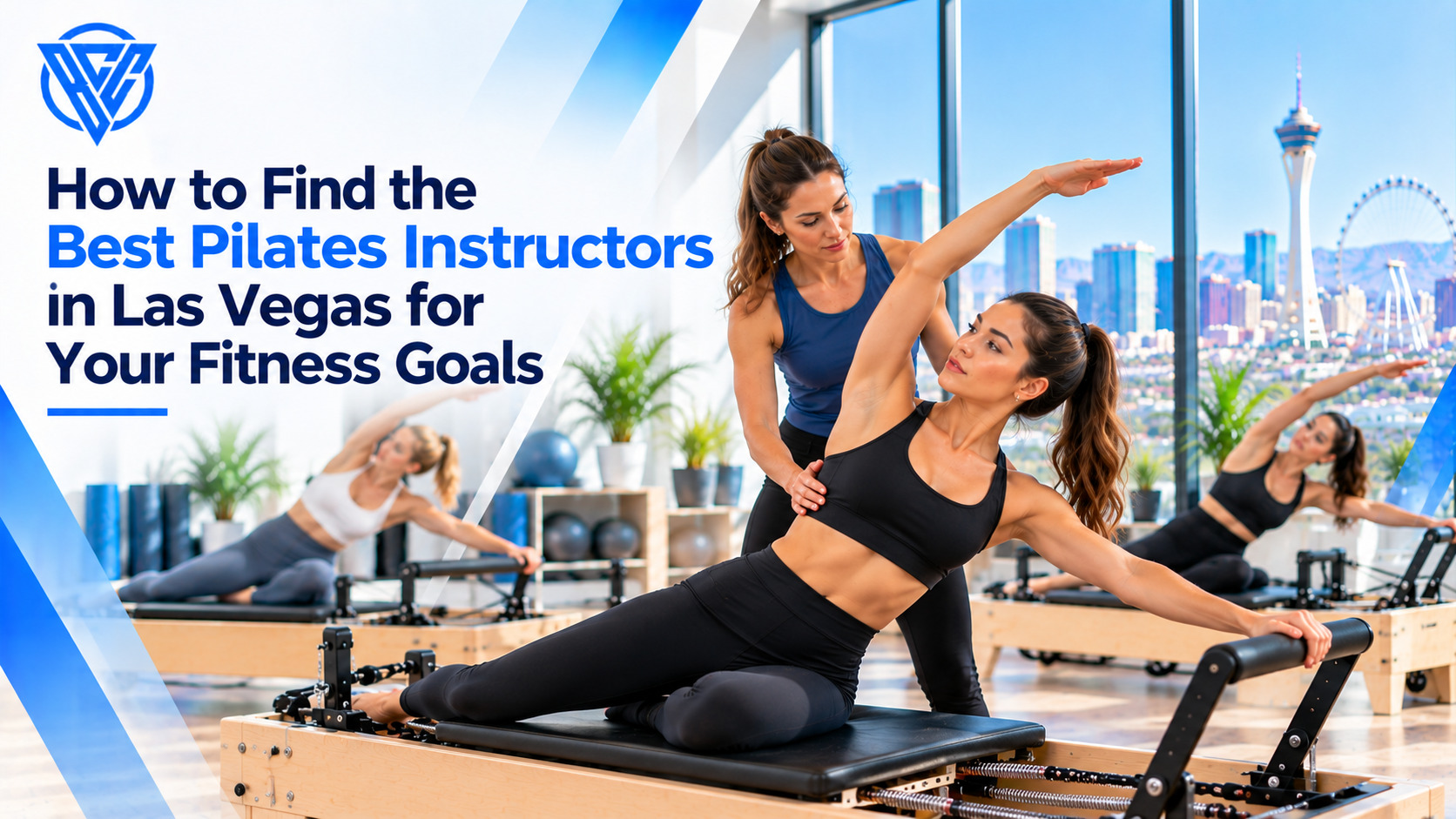
Finding the best Pilates instructors comes down to three things: verified training, real teaching experience, and a coaching style that matches your goals. This guide explains how to check credentials, what separates skilled reformer coaching from basic cueing, when private sessions are worth the investment, and which red flags to avoid before you commit to a studio.
Pilates looks simple from the outside, yet the method depends on precise alignment, controlled breathing and carefully chosen spring tension. A skilled instructor spots small compensations, such as a hip hiking or ribs flaring, and corrects them before they turn into habits. An average instructor simply counts repetitions. That difference shapes your results more than the class format or the look of the studio.
If you are searching for the best Pilates instructors in Las Vegas, the steps below will help you compare your options with confidence, from your first beginner session to sport-specific training.
What Makes the Best Pilates Instructors Stand Out
Credentials matter, but they are only the starting point. The best Pilates instructors combine formal education with many hours of supervised teaching, a working knowledge of anatomy, and the ability to adapt a session in real time when something is not working.
Pilates is not professionally regulated the way licensed health professions are, so the title “Pilates instructor” can describe very different levels of training. That puts the responsibility for checking on you, the client.
Certification and Comprehensive Training
Comprehensive teacher-training programs usually cover mat work plus the major apparatus, including the reformer, Cadillac and chair, along with anatomy, observation hours and supervised practice teaching. Shorter courses may cover only mat work or a single machine. Neither is automatically a problem, but you should know which one your instructor completed.
Ask where they trained, whether the program was comprehensive or apparatus-specific, and whether it ended with a practical assessment rather than attendance alone.
Teaching Experience and Ongoing Education
Experienced Pilates instructors have worked with many body types, injuries and fitness levels, so they recognize movement patterns quickly and know which modification to offer.
Experience is not only measured in years. Many skilled instructors keep attending workshops, study under mentors or work alongside physical therapists, which often gives them sharper insight than someone who has taught the same routine for a decade.
Qualities to Look For in a Pilates Instructor
The best Pilates instructors tend to share a handful of habits you can observe in a single class:
- Specific cueing: Clear, concise instructions that tell you what to move, where and why, rather than vague reminders to “engage your core.”
- Thoughtful corrections: Verbal or hands-on adjustments offered with your consent and explained so you can repeat them on your own.
- Ready modifications: Easier and harder versions of most exercises, so one class can serve different fitness levels.
- Progression planning: A clear sense of where you are heading over weeks, not just what happens in one session.
- Genuine curiosity: Questions about your history, goals and how your body feels on a given day.
Reformer Pilates Instructors vs Mat Instructors
Reformer Pilates instructors need an extra layer of skill. The reformer uses springs, straps and a sliding carriage, so the instructor must choose appropriate spring settings, monitor several machines at once and keep clients safe during transitions.
Mat instructors work mainly with body weight and small props such as bands, rings and balls. Mat work builds valuable control and body awareness, but if your goal is strength with adjustable resistance, look for reformer Pilates instructors who trained specifically on the apparatus rather than holding a mat-only qualification.
Comparing Session Formats
The format you choose affects how much individual attention you receive. Even an excellent instructor can only give so much one-on-one feedback in a full room.
| Factor | Group reformer class | Semi-private session | Private session |
| Instructor attention | Shared across the class | Split among a small group | Focused entirely on you |
| Programming | Set class plan with options | Partly tailored to the group | Built around your goals |
| Feedback | General cues with some corrections | Frequent corrections | Continuous corrections |
| Relative cost | Lowest per session | Moderate | Highest per session |
| Best suited for | Consistency, motivation, community | Refining technique with a partner | Injuries, sport goals, learning fundamentals |
Pricing and class sizes vary by studio, so confirm the details directly before booking.
When a Private Pilates Instructor Makes Sense
A private Pilates instructor designs every session around your body and goals. That is especially useful if you are recovering from an injury, training for a specific sport, returning to exercise after a long break, or want to learn the fundamentals properly before joining a group.
Advantages and Disadvantages of Private Sessions
Advantages
- Complete attention, with corrections made in real time.
- Programming adapted to injuries, posture or sport demands.
- Faster learning of breathing, alignment and spring settings.
Disadvantages
- Higher cost per session than group classes.
- Less of the energy and accountability that a group provides.
- Progress depends heavily on one instructor being the right fit.
Many clients combine formats: a handful of sessions with a private Pilates instructor to learn alignment and breathing, followed by regular group classes for consistency and motivation.
How to Evaluate the Best Pilates Instructors in Las Vegas
Las Vegas has a large and varied fitness market, with schedules that serve early-morning commuters, performers, hospitality workers and athletes. When you compare Pilates classes in Las Vegas, look beyond convenience and introductory pricing to the quality of instruction itself.
Questions to Ask the Best Pilates Instructors Before You Book
- Where did you complete your Pilates training, and did it cover both mat and apparatus work?
- How long have you been teaching, and do you work with clients who have goals like mine?
- How do you adapt exercises for injuries, joint issues or limited mobility?
- What should a beginner expect during the first few sessions?
- How many clients attend a typical class?
Take a Trial Class and Watch How You Are Coached
A trial session is the most reliable test. The best Pilates instructors ask about injuries before class starts, learn names quickly and offer modifications without singling anyone out. They also explain the purpose of each exercise, so you understand what you should feel and where.
Pay attention to how you feel afterward. Productive fatigue in the deep abdominal, hip and back muscles is normal. Sharp pain or lingering joint discomfort suggests the session was not adapted well for your body.
Red Flags and Common Mistakes to Avoid
Even well-reviewed studios can be a poor fit. Watch for these warning signs:
- No intake questions about injuries, medical history or goals before your first class.
- The same intensity for every client, with few or no modifications offered.
- Rushed spring changes or unsupervised transitions on the reformer.
- Choosing a studio on price or location alone without trying a class first.
- Treating social media popularity as proof of teaching quality.
Another common mistake is assuming the best Pilates instructors teach the hardest classes. Difficulty is easy to create; precision, safety and steady progress are not.
Matching Your Instructor to Your Fitness Goals
The best Pilates instructors for a professional dancer may not be the right fit for a desk worker with lower-back stiffness. Start with what you want Pilates to do for you.
Athletes and Active Adults
Athletes benefit from experienced Pilates instructors who understand sport-specific demands, such as rotational power for golf and tennis or single-leg stability for running. Look for programming that addresses imbalances rather than generic full-body routines.
Injury Recovery and Rehabilitation
If you are recovering from an injury, choose an instructor who is willing to coordinate with your doctor or physical therapist. Pilates can complement rehabilitation, but it should never replace medical care or begin without clearance.
General Fitness and Long-Term Health
For overall strength, posture and flexibility, consistency matters most. Group Pilates classes in Las Vegas at times you can realistically attend will usually deliver better results than an ideal instructor you only see once a month.
At Blue Chip Conditioning, the studio was founded by former Nevada Ballet Theatre dancer Danielle Maas, and its programs span group reformer classes, semi-private and private sessions, and athletic development training. That range lets clients move between formats as their goals change.
Frequently Asked Questions
How do I find the best Pilates instructors in Las Vegas?
Start by checking where each instructor trained and whether their certification covered both mat and reformer work. Then read client reviews, ask how they handle injuries and book a trial class. The right instructor gives specific cues, offers modifications and asks about your goals before you begin.
What certification should a Pilates instructor have?
Look for a comprehensive certification that covers mat work, the reformer and other apparatus, plus anatomy, observation hours and supervised practice teaching. Because Pilates is not professionally regulated, the quality of the training program matters. Ask where they certified and whether it ended with a practical assessment.
Do reformer instructors need different training than mat instructors?
Yes. Reformer Pilates instructors must understand spring settings, carriage safety, strap work and how to supervise several machines at once. Mat instructors focus on body weight and small props. Comprehensively trained instructors can teach both, but apparatus-specific education is essential before anyone leads reformer classes.
Is a private Pilates instructor worth the cost?
Private sessions are worth it if you have an injury, a sport-specific goal or want to learn proper technique quickly. They cost more than group classes, but full attention speeds up learning. Many clients take a few private sessions, then continue with group or semi-private training.
How often should a beginner take Pilates classes in Las Vegas?
Two to three sessions per week is a practical starting point for most beginners. That frequency builds body awareness and strength while leaving time for recovery. When choosing Pilates classes in Las Vegas, pick times you can attend consistently, because regular practice matters more than occasional intense sessions.
What should I ask experienced Pilates instructors before my first session?
Ask experienced Pilates instructors about their training background, how long they have taught and how they modify exercises for injuries or limited mobility. Also ask what a typical first session includes and how many clients attend each class. Clear, confident answers usually signal a well-prepared professional.
Can a Pilates instructor help with back pain?
The best Pilates instructors can adapt exercises for people with back pain by focusing on core control, posture and gentle mobility. However, persistent or severe pain needs a medical assessment first. A good instructor will ask for clearance and coordinate with your doctor or physical therapist when needed.
Conclusion
Choosing among the best Pilates instructors is less about finding the toughest workout and more about finding precise, knowledgeable coaching that fits your body. Check training credentials, ask direct questions, and use a trial class to see how an instructor cues, corrects and adapts. Then match the format to your goals, from group reformer classes for consistency to private sessions for focused progress.
The practical takeaway is simple: shortlist two or three studios, book a trial with each, and commit to the instructor whose coaching helps you move better, not just harder. A well-qualified professional will welcome your questions and explain their approach clearly.
Ready to start? Review the Blue Chip Conditioning team, compare group reformer, semi-private and private options, and book an introductory session at the studio on S Rainbow Blvd to experience personalized, hands-on coaching for yourself.