
How Best Pilates Instructors Create Custom Conditioning Plans for Elite Performance
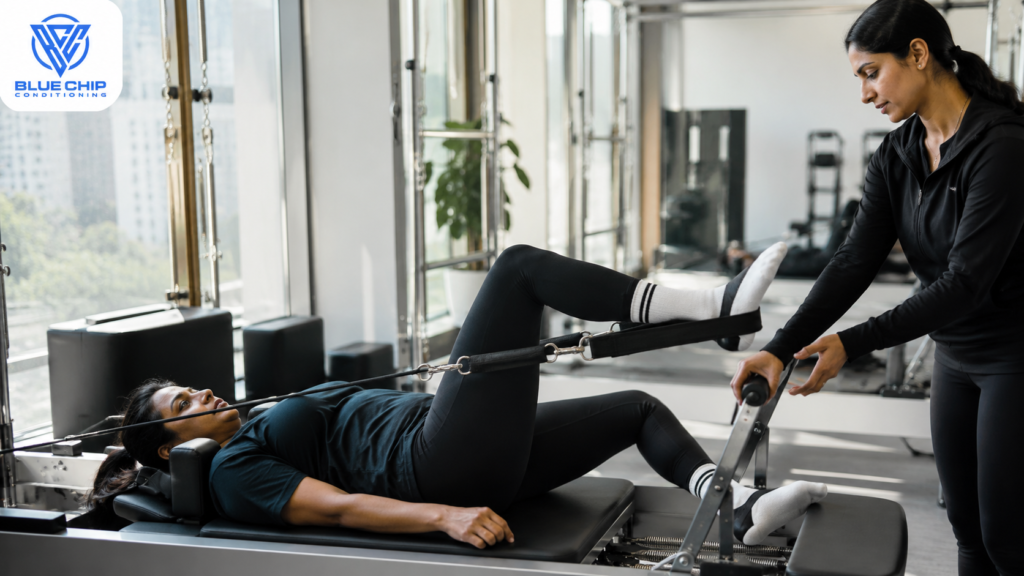
When it comes to peak athletic performance, one-size-fits-all training simply does not work. The best Pilates instructors at Blue Chip Conditioning in Las Vegas take a very different approach. They study each athlete individually, identify the weak points, and then build a conditioning plan that matches the sport, the body, and the goal. This article breaks down exactly how that process works -and why it makes such a difference for elite performers. What Makes a Conditioning Plan “Custom”? A custom conditioning plan is not just a different workout. It is a complete system built around a specific person’s movement patterns, injury history, flexibility level, strength gaps, and performance targets. Most generic fitness programs are written for the average person. But elite athletes are not average. A sprinter needs hip flexor mobility and explosive glute activation. A tennis player needs rotational core strength and shoulder stability. A dancer needs balance, extension, and full-body coordination. The best Pilates instructors understand these differences. They do not just hand over a printed sheet and say “do these ten exercises.” They observe how you move. They ask questions. And then they design something that is built entirely for you. At Blue Chip Conditioning, this is the standard -not the exception. Step 1: The Initial Movement Assessment Before a single exercise is assigned, a thorough movement assessment takes place. This is where the best Pilates instructors separate themselves from average trainers. The assessment typically looks at: This first session is really about listening. A skilled instructor hears what the body is saying, even when the athlete is not aware of it. At Blue Chip Conditioning, instructors bring backgrounds in dance, athletics, and physical rehabilitation -so they know how to read movement with a trained eye. Step 2: Identifying the Athlete’s Performance Goals Once the movement picture is clear, the next step is aligning it with what the athlete actually wants to achieve. Goal-setting in elite athlete development is specific. “Get stronger” is not a goal. “Increase rotational power in my serve by reducing lumbar tension” is a goal. The best Pilates instructors help athletes define outcomes that are both measurable and meaningful. Common performance goals that shape a custom plan include: These goals become the compass for every exercise selection, progression, and session structure going forward. Step 3: Building the Plan Around the Reformer The Pilates reformer is the centerpiece of athletic conditioning at a serious Pilates Studio Las Vegas like Blue Chip Conditioning. It is a spring-resistance machine that allows precise loading of muscle groups in ways that dumbbells and barbells simply cannot replicate. Here is why the reformer is so powerful for custom conditioning: The best Pilates instructors know which spring settings, foot bar positions, and movement tempos are right for each client’s current capacity. They also know when to progress and when to pull back. Step 4: Programming Progressions for Elite Athlete Development A plan without progression is just a routine. What separates elite athlete development from regular fitness training is the intentional building of one capacity on top of another. The best Pilates instructors at Blue Chip Conditioning follow a layered approach: Phase 1 -Foundation The first phase focuses on neuromuscular re-education. This means teaching the body to activate the right muscles in the right sequence. For many athletes, years of compensation patterns mean certain stabilizers are completely “asleep.” Before loading those muscles, they have to wake up. Phase 2 -Strength and Stability Once the foundation is solid, the plan moves into building functional strength. This is not bodybuilder-style hypertrophy. It is the ability to stabilize under load, transfer force efficiently, and maintain alignment under fatigue. Phase 3 -Sport-Specific Power The final phase maps the Pilates conditioning work directly to sport movements. A basketball player works explosive hip drive. A golfer drills rotational sequencing. A martial artist develops hip-to-shoulder coordination. The pilates reformer studio Las Vegas clients at Blue Chip use this phase to close the gap between training room gains and on-field performance. What the Best Pilates Instructors Know About Injury Prevention One of the most overlooked benefits of a custom conditioning plan is what it prevents. The best Pilates instructors think ahead. They do not just train for today’s game -they train for the entire season and beyond. Research in sports science consistently shows that athletes with strong core stability, balanced muscle development, and good joint mobility suffer fewer non-contact injuries. Pilates addresses all three simultaneously. At Blue Chip Conditioning, the instructors pay close attention to: Key Injury Prevention Focus Areas: These are not afterthoughts. They are built into every session from day one. How Private Sessions vs. Semi-Private Sessions Change the Plan The format of training directly affects how custom the plan can be. Blue Chip Conditioning offers private Pilates sessions for athletes who need one-on-one attention and completely individualized programming. In a private session, the instructor’s entire focus is on one person. Corrections happen in real time. The plan can shift mid-session if the instructor notices something that needs adjustment. This is the highest level of customization available. Semi-private sessions pair two or three clients together. This can still offer significant personalization, especially when the instructor groups people with similar goals or bodies. It is also more affordable, making consistent training sustainable over the long term. For elite athletes in serious pursuit of competitive gains, private sessions during the initial phases of training -followed by semi-private maintenance work -is a common and effective approach. The Role of the Instructor’s Background in Plan Quality Not every Pilates instructor has the background to work with elite athletes. Conditioning plans for high-performance individuals require an understanding of biomechanics, periodization, and sport-specific movement that goes beyond basic Pilates certification. This is why the team at Blue Chip Conditioning stands out. The instructors include former professional dancers who have spent their careers understanding movement at the highest level, certified trainers with backgrounds in rehabilitation and functional fitness, and master trainers certified in methods like the DK Body Balancing Method. Founder Danielle Maas,
Benefits of Joining a Professional Las Vegas Pilates Studio for Las Vegas Pilates Classes in 2026
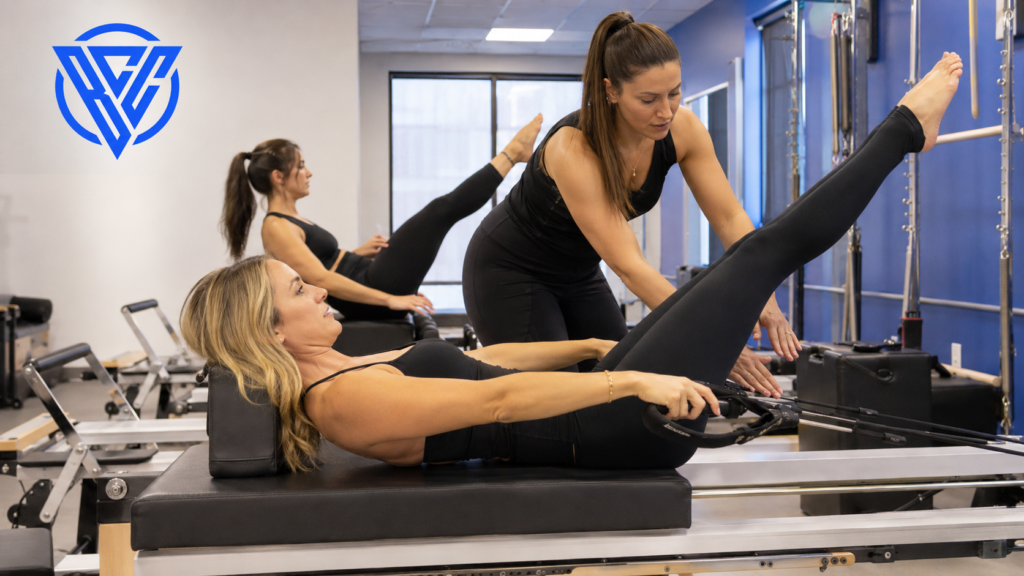
There has never been a better time to start Pilates. In 2026, Las Vegas pilates classes have evolved well beyond what most people imagine -they are no longer just a niche fitness option for dancers or rehabilitation patients. Today, they are one of the most sought-after training experiences in the city, attracting everyone from weekend warriors and corporate professionals to retired athletes and people rebuilding after surgery. But here is the thing: not all Pilate’s classes are created equal. There is a real difference between joining a professional studio and following along with a generic video. This article gets into exactly what that difference looks like, and why it matters if you are serious about getting results. Why People Are Choosing Professional Studios Over DIY Fitness in 2026 The at-home fitness boom of a few years ago taught people something important: having access to content is not the same as getting results. Thousands of people spent time doing workout videos and ended up with the same pain, the same postural issues, and the same frustration. A professional las Vegas Pilates classes studio solves this problem at the root. The studio environment, combined with trained instructors and proper equipment, creates a training experience that simply cannot be replicated at home or in a standard gym. Here is what a professional studio environment actually provides that you cannot get on your own: These are not small details. They are the difference between spending months on an exercise routine and seeing no lasting change versus making real, measurable progress. The Core Benefits of Las Vegas Pilates Classes at a Professional Studio 1. Personalized Programming from Day One When you walk into a professional reformer Pilates Las Vegas studio, the first thing a qualified instructor will do is assess you. They want to understand your goals, your injury history, how your body moves, and what imbalances or limitations need to be addressed. This is what makes professional Pilates so different. You are not dropped into a generic class and told to keep up. Your training is shaped around who you actually are. For some people, that means starting with foundational movements to rebuild alignment and stability. For others, it means immediately working on performance-focused programming. The result is faster progress and a much lower risk of getting hurt. 2. Access to Reformer Equipment That Makes a Genuine Difference The reformer is not just a fancy piece of furniture. It is an engineering marvel designed to allow the human body to move through a full range of motion while under controlled, adjustable resistance. You simply cannot replicate what the reformer does with any other tool. At a pilates studio Las Vegas like Blue Chip Conditioning, reformers are properly maintained and set up for each client individually. This matters more than most people realize. Even a slight miscalibration can reduce the effectiveness of a session or increase injury risk. What the reformer allows you to do: 3. Injury Prevention That Extends Your Fitness Life One of the most underappreciated benefits of las vegas pilates classes at a professional studio is how dramatically they reduce your risk of injury -both during training and in everyday life. This happens for a few key reasons. First, Pilates itself is inherently low-impact. It does not beat up your joints the way running, heavy lifting, or high-intensity interval training can over years of consistent practice. Second, professional instructors correct movement errors that, if left unchecked, would eventually cause problems. Third, the emphasis on core stability and proper alignment builds the kind of structural foundation that protects your body across every activity you do. For people who have already experienced injuries, this is life-changing. For those who have not, it is like insurance for your body. 4. Better Posture and Real Functional Strength Most gym-based training builds strength in the sagittal plane -pushing and pulling in front of you. Daily life does not work that way. You twist, reach overhead, bend sideways, and stabilize yourself from unexpected directions constantly. Pilates trains all of this. A good session at a reformer pilates Las Vegas studio will work your body in multiple planes of motion, building the kind of functional strength that translates into how you actually move through life. This is why Pilates clients consistently report improvements not just in the gym, but at their desk, on the golf course, on the tennis court, and playing with their kids. The postural improvements are visible within weeks for many people. Shoulders pull back naturally. The head sits properly over the spine. The lower back stops aching. These changes happen because the underlying muscles that hold your structure together are finally being trained properly. 5. Mental and Emotional Benefits You Did Not Expect This one surprises almost every new Pilates client. They come in expecting a physical workout and leave with something that feels more like a mental reset. Pilates requires concentration. Every movement asks you to be present -to feel what your body is doing, to control your breath, to maintain alignment while resisting the urge to rush. This is active mindfulness, and it has a real effect on stress levels and mental clarity. Regular Pilates practitioners in Las Vegas often report: For people dealing with high-stress careers or going through demanding life phases, these mental benefits can be just as valuable as the physical ones. What to Expect at a Professional Las Vegas Pilates Studio in 2026 If you have never been to a pilates studio Las Vegas , here is an honest picture of what the experience looks like at a professional facility. Your First Session Expect an intake conversation. A qualified instructor will ask about your health history, your current fitness level, any injuries or areas of concern, and what you are hoping to achieve. This is not just paperwork -it is the foundation of your program. You will likely start on the reformer at a beginner level, even if you are physically fit. This is not an insult. It
Sunday Pilates in Las Vegas Explained: Benefits, Classes, and How to Get Started
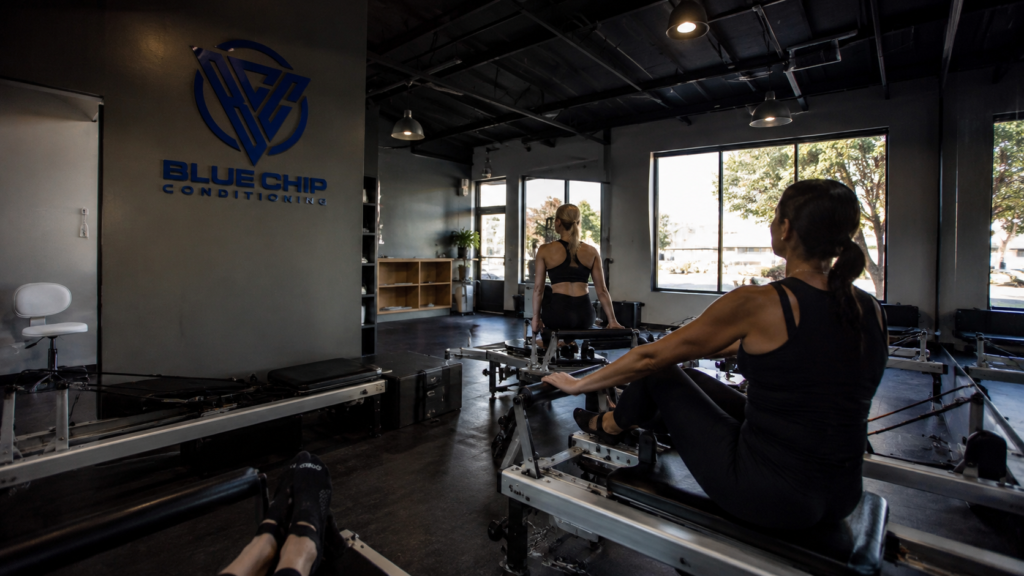
Las Vegas runs at a pace that does not stop. Between long workweeks, late nights, and a lifestyle that keeps people moving, finding time to take care of your body often falls to the bottom of the list. That is why Sunday Pilates Las Vegas has quietly become one of the most popular ways for locals to reset, recover, and build real physical strength without sacrificing the rest of their week. If you have been curious about what a Sunday session actually looks like -the benefits, the class options, and how to walk in for the first time -this guide covers everything you need to know. Why Sunday Is the Best Day for Pilates in Las Vegas There is something intentional about choosing Sunday for your workout. It sits right at the edge of one week and the beginning of another. A Sunday session is not about burning calories before a Monday meeting. It is about preparing your body, clearing your head, and entering the new week in a stronger position -physically and mentally. For Las Vegas residents, Sunday Pilates offers a specific set of advantages. The city does not slow down on Sundays the way other cities do. But many people still have more flexibility in their morning or afternoon schedule. That window is the perfect time to invest in your body without the pressure of a packed weekday. Reformer Pilates, in particular, is a low-impact practice. It does not leave you sore and useless for the next two days. You can take a Sunday class, feel refreshed, and still be at your best for Monday morning. That balance is hard to find in other forms of exercise. What Is Reformer Pilates, and Why Does It Matter? Before diving into class specifics, it helps to understand what actually happens in a reformer Pilates class. The reformer is a spring-resistance machine with a sliding carriage, foot bar, and shoulder blocks. It looks intimidating the first time you see it. It is actually one of the most user-friendly pieces of fitness equipment once you understand the basics. The springs create adjustable resistance, which means the workout can be made easier or harder depending on your level. This is why reformer Pilates works for beginners, competitive athletes, people recovering from injury, and older adults all at the same time. The practice targets deep stabilizing muscles -the ones that conventional gym machines often miss. These are the muscles around your spine, your hips, your shoulders. Strengthening them improves posture, reduces chronic pain, and builds the kind of functional fitness that translates into real life. At a quality pilates reformer studio Las Vegas like Blue Chip Conditioning, every class is taught by certified instructors who understand the mechanics of the machine and the anatomy behind every movement. Sunday Pilates Las Vegas: What to Expect from a Class Walking into your first Sunday Pilates Las Vegas class can feel a little uncertain. Here is what a typical session looks like so you know exactly what you are stepping into. Before the Class Starts You will arrive a few minutes early if it is your first time. The instructor will greet you, ask about any injuries or areas of concern, and show you how to adjust the reformer for your body. You do not need to bring anything special -just comfortable, fitted workout clothes and grip socks (most studios have them available if you do not own a pair). During the Class A typical group reformer class runs 45 to 55 minutes. The instructor guides the group through a series of exercises that flow from one to the next. You will work your legs, your core, your back, and your arms -often all in the same movement. The pace in a beginner-friendly class is controlled and intentional. In a more advanced class, the tempo increases and the transitions are quicker. You will hear cues about breathing, alignment, and muscle engagement throughout. Good instructors do not just tell you what to do -they explain why each movement matters. After the Class Most people feel longer, looser, and more centered after a reformer class. It is a different feeling than the tight fatigue of a heavy gym session. If you are new to Pilates, you may notice some muscle soreness in areas you did not expect -small stabilizers that have not been challenged in years. Key Benefits of Sunday Pilates Las Vegas People come to Sunday Pilates Las Vegas for many different reasons. The benefits are wide-ranging, which is one of the reasons Pilates has grown so consistently as a practice. Physical Benefits You Can Feel Quickly: Mental and Recovery Benefits: One thing that surprises most new clients is how much the class asks of their attention. Pilates is not the kind of workout where you can put on headphones and zone out. You have to be present. And that presence -that break from mental noise -is itself a form of recovery that most people desperately need. Types of Sunday Classes Available in Las Vegas Not every Sunday Pilates Las Vegas class is the same. At Blue Chip Conditioning, there are several formats to match different goals and experience levels. Group Reformer Classes These are the most popular option for Sunday sessions. The group reformer classes at Blue Chip Conditioning accommodate small groups, which means you still get instructor attention during the session. Classes are organized by level -so beginners are not placed in advanced sessions without appropriate preparation. Group classes are also the most affordable option, making consistent Sunday training a realistic commitment for most people. Semi-Private Sessions For those who want more personalization than a group class but are not ready to commit to a fully private session, semi-private classes offer a middle ground. Two or three people train together, and the instructor can divide attention between them while still keeping an eye on individual form and progress. This format works well for friends or couples who want to train together on Sundays with actual
Why More Professionals Are Choosing Pilates Las Vegas for Strength and Longevity
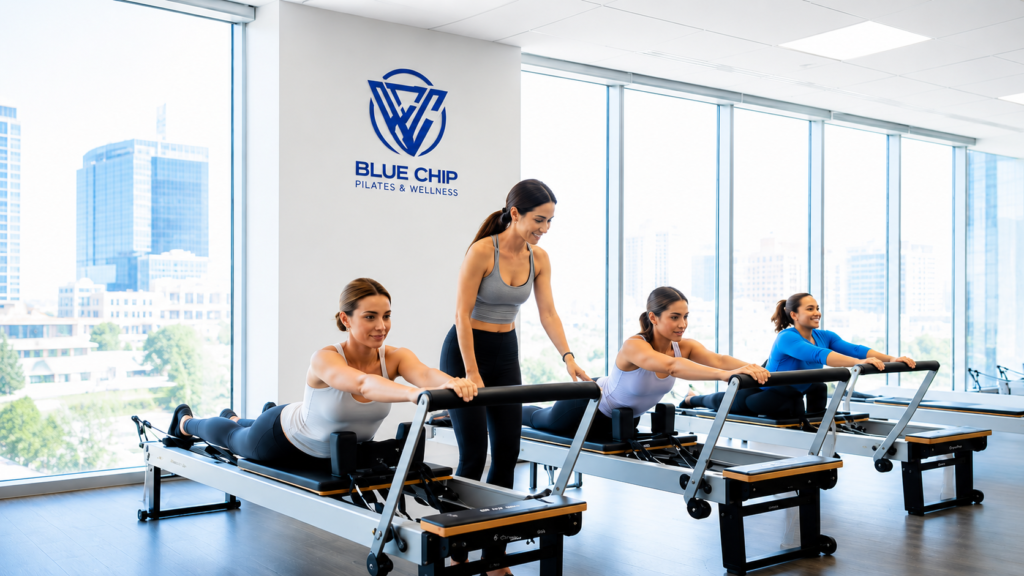
Discover why busy professionals in Las Vegas are turning to Pilates for long-term strength, injury prevention, and a healthier career. Find out what makes pilates Las Vegas so effective. Las Vegas is not just a city of entertainment anymore. Over the past few years, it has quietly become one of the most fitness-forward cities in the country. And right at the center of that shift? Pilates Las Vegas -a training method that is gaining serious traction among professionals, executives, athletes, and everyday people who want to move better and live longer. If you have been curious about why so many working professionals are swapping their gym routines for reformer sessions, this article breaks it all down. No fluff. Just real reasons why Pilates works -especially if you have a demanding career and a body that needs to last. What Does “Strength and Longevity” Actually Mean in Fitness? Before we get into the why, it helps to understand the goal. Most people start working out to look better or lose weight. But professionals -especially those in their 30s, 40s, and beyond -start asking a different question: How do I stay strong and pain-free for the next 20 years? That is what longevity training is about. It is not about lifting the heaviest weight or running the fastest mile. It is about building a body that stays functional, resilient, and injury-free for decades. And that is exactly where pilates Las Vegas studios like Blue Chip Conditioning have carved out a reputation. The Unique Demands on Las Vegas Professionals Let’s be honest. Life in Las Vegas is intense. Whether you are in hospitality, healthcare, real estate, entertainment, or athletics -long hours, high stress, and inconsistent schedules are the norm. Here is what that lifestyle does to your body over time: Traditional gym workouts -lots of heavy lifting, high-impact cardio, repetitive motion -can actually make these problems worse. That is why so many professionals in Las Vegas are switching to a smarter approach. How Pilates Las Vegas Addresses These Problems Differently Pilates is a low-impact, precision-based movement system. It was originally developed to help dancers and athletes recover from injuries, but it has evolved into one of the most well-rounded fitness methods available today. At a pilates reformer studio Las Vegas, the reformer machine plays a central role. Unlike free weights or machines at a regular gym, the reformer uses spring resistance that can be adjusted to match your exact fitness level, body mechanics, and health needs. This makes every session safer and more effective at the same time. Here is what a typical professional gains from consistent Pilates training: 1. Core Strength That Goes Deeper Than Abs When people say “core,” most think of a six-pack. In Pilates, the core includes your deep stabilizing muscles -the ones that protect your spine and keep your entire body aligned. Strengthening these muscles is what eliminates chronic back pain and improves posture over time. 2. Functional Flexibility Pilates Las Vegas stretches and strengthens muscles simultaneously. This means your flexibility actually serves a purpose -it improves how you move in real life. Getting out of a car, reaching overhead, carrying groceries -everything feels easier. 3. Better Breathing and Stress Response Breath control is built into every Pilates movement. This is not just a mindfulness trick. It directly activates your parasympathetic nervous system -the part that calms your body down. For a high-stress professional, this is genuinely therapeutic. 4. Joint Health and Injury Prevention The controlled, low-impact nature of Pilates reduces wear and tear on your joints. Many professionals who have dealt with knee pain, shoulder issues, or hip tightness find that regular Pilates Las Vegas sessions reduce or even eliminate those symptoms. What the Best Pilates Instructors in Las Vegas Actually Do Differently One of the biggest reasons pilates Las Vegas is becoming the go-to for professionals is the quality of instruction available here. Not all Pilates studios are the same. The best pilates instructors in Las Vegas are trained to do much more than just count reps and play music. At a studio like Blue Chip Conditioning, instructors are trained to: This level of expertise is what separates a great Pilates Las Vegas session from a mediocre one. And it is exactly what busy professionals need -efficient, personalized training that delivers results without wasted time. Why the Reformer Changes Everything If you have never tried a reformer, it might look intimidating at first. It should not be. The reformer is actually one of the most versatile and body-friendly pieces of exercise equipment ever designed. A good pilates reformer studio Las Vegas will walk you through everything. Within one or two sessions, most people understand the machine intuitively. And once they do, the results come fast. The reformer allows you to: For professionals who have avoided weight training because of previous injuries or joint sensitivity, the reformer is often the perfect alternative. Real Results Professionals Are Seeing People who commit to regular Pilates training in Las Vegas report changes that go well beyond the physical. Here are the most common results they notice: These are not small quality-of-life changes. For someone who spends 40 to 60 hours a week working, feeling physically better has a direct impact on productivity, mood, and career performance. How to Get Started Without Disrupting Your Schedule One of the most common excuses professionals give for not exercising is time. But the truth is, pilates Las Vegas studios are designed to fit into a busy lifestyle. Sessions at Blue Chip Conditioning run in formats that include: Even two sessions per week -done consistently -will produce measurable improvements in strength, flexibility, and posture within a few months. It does not require hours in the gym every day. The Long-Term Case for Pilates This is the part most fitness marketing skips over. Short-term results are easy to sell. Long-term impact is harder to explain but far more important. Here is the truth: the professionals who are choosing pilates Las Vegas are not just looking
What to Wear to Pilates: A 2026 Guide for Comfort, Grip, and Performance
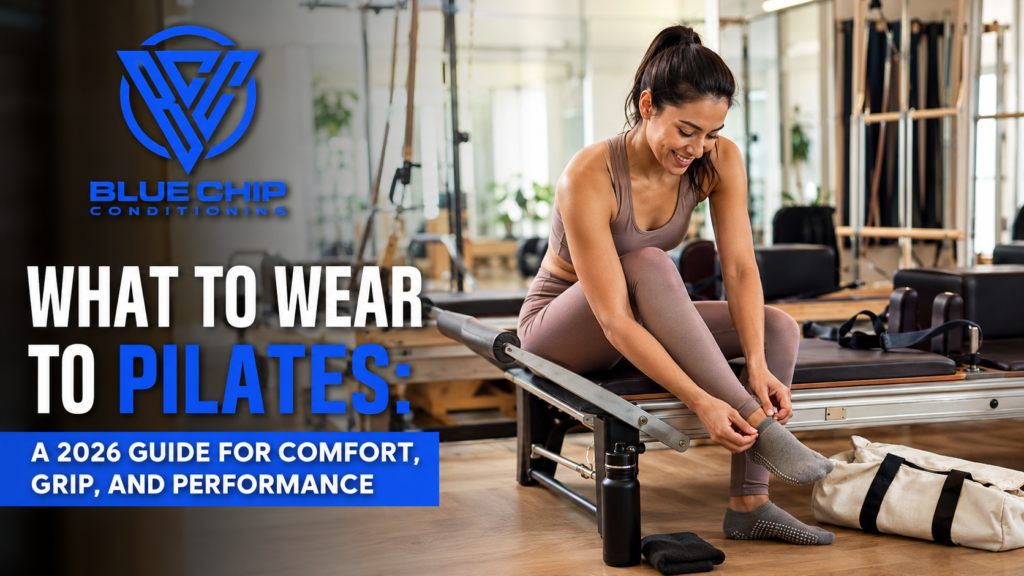
Introduction The first time you walk into a reformer room, the outfit question can feel bigger than it should. People worry about looking awkward, sliding on the carriage, wearing the wrong fabric, or showing up underdressed for the room. That nervous moment is exactly why what to wear to pilates matters more than most beginners think. At Blue Chip Conditioning, the focus is on precise movement, strong instruction, and a comfortable training environment built for private, semi-private, and group work in Las Vegas. That’s also why the outfit should be simple, fitted, and functional rather than fancy. Blue Chip’s own guidance and nearby studio FAQs consistently point to comfortable activewear, grip socks, and clothes that move cleanly with the body. Quick Answer Section Wear fitted, breathable activewear that stays in place, such as leggings or snug shorts with a supportive top, and choose grip socks if your studio requires them. For reformer classes, your outfit should let your instructor see your alignment, avoid snags on moving equipment, and keep you comfortable through stretching, core work, and controlled transitions. Key Takeaways What Pilates clothing should actually do The best way to think about what to wear to pilates is this: your clothes should disappear during class. You should not be tugging at your waistband, worrying about a top slipping down, or wondering whether your shorts are riding up during a bridge, teaser, or footwork series. That is why experienced studios keep repeating the same basics. Comfortable activewear, fitted shapes, and grip socks show up again and again in studio guidance because they reduce friction, improve stability, and help the instructor see your body more clearly. At Blue Chip Conditioning, that practicality fits a training style built around personalized correction and controlled movement. Best outfit formula for reformer classes When clients ask what to wear to pilates, the safest answer is usually a simple formula: Wear a fitted top, supportive bottoms, and socks with grip. If the class is heated, intense, or athletic, choose moisture-wicking fabric. If the class is slower and beginner-focused, comfort matters even more because you will spend more time learning positions and transitions. For women, high-waisted leggings with a snug tank or sports bra often work best. For men, athletic shorts that stay secure and a fitted tee or performance top are usually the easiest choice. The key is freedom without excess fabric. That’s one reason this choice is less about fashion and more about how your clothing behaves when you move. What to wear to Pilates if it is your first class First-time students usually overthink the outfit and underthink the function. Start simple. Bring a bottle of water, wear clothing that lets you reach, hinge, curl, and rotate, and keep accessories to a minimum. A good beginner rule is to test your outfit before class. Sit down, squat, reach overhead, and lie on the floor. If you keep adjusting your outfit, it will probably bother you in class too. That is why what to wear to pilates for a first session should favor comfort, coverage, and confidence over trend-driven looks. Grip socks, bare feet, and studio rules A lot of people ask what to wear to pilates and forget that the feet matter too. On reformers, grip socks are often recommended or required because they improve traction and help with safety and cleanliness. Some studios allow barefoot work in certain settings, but many reformer spaces prefer socks with rubber grips. If you are going to a premium or boutique studio, check the class policy before you arrive. That small step prevents awkward surprises at the front desk and helps you walk in ready to train instead of scrambling for gear. In practice, what to wear to pilates often comes down to one simple detail: does your outfit support control on the equipment? What not to wear: the most common mistakes People usually do not fail because they lack good taste. They fail because they pick clothes that fight the workout. The biggest mistakes are baggy shirts that cover your form, shorts that shift during leg work, and thick seams that dig into your body on the reformer. Jewelry, zippers, and overly loose layers can also become distracting. If you are unsure about what to wear to pilates, choose the outfit that will stay out of your way when you are moving slowly and precisely. Comparison section: what works best and what usually gets in the way Here is the easiest way to compare outfits before class. Fitted leggings or snug shorts: best for alignment, smooth movement, and machine safety.Loose gym shorts or oversized sweats: best for lounging, not for reformer control.Supportive top or fitted tank: best for staying in place through roll-downs, planks, and stretches.Baggy tee or wide crop: best for casual wear, but it can hide posture and shift during class. This is why what to wear to pilates should be chosen with movement in mind, not just the mirror. The best outfit helps your body feel organized, and that matters even more in focused studios such as a pilates reformer studio las vegas that values precision and coaching. Why outfit choice affects your performance Clothing changes how people move. That sounds small, but in Pilates it is huge. If your top rides up, your brain splits attention between form and fixing clothing. your waistband rolls, you lose focus. If your socks slip, your confidence drops. That is why what to wear to pilates is also a performance decision. Blue Chip Conditioning’s brand message centers on alignment, control, and personalized instruction, which fits a style of training where small distractions matter. In a well-run class, what you wear should support the instructor’s ability to coach and your ability to feel every rep. Step-by-step: how to choose your outfit before class Use this simple process before every session. First-choose a base layer that fits close to the body.Second-check whether the fabric stretches and breathes well.Third-make sure the outfit stays secure when you bend, twist, and
Types of Pilates: Which Style Fits Your Body, Routine, and Fitness Level?
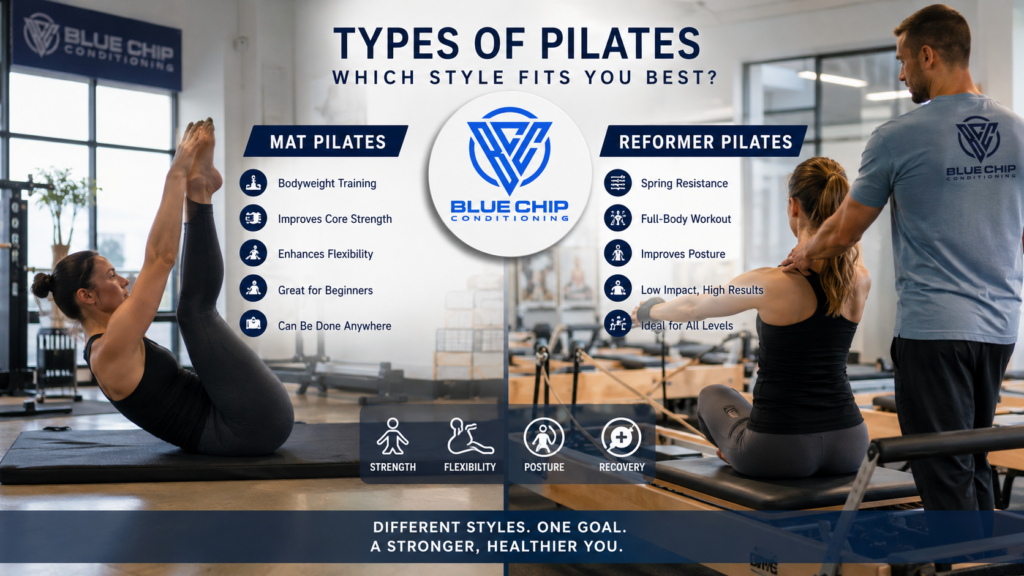
Introduction Types of Pilates can feel surprisingly personal. One person wants a gentle way to build strength. Another wants a smarter cross-training tool. Someone else needs support after an injury or wants a class that fits a packed schedule. The good news is that the right choice is usually obvious once you match the style to the goal. That is the real value of Pilates styles: each style solves a slightly different problem. Blue Chip Conditioning in Las Vegas leans into private, semi-private, and group Pilates with a strong emphasis on athletic enhancement, rehabilitation, and personalized instruction, so this topic fits its audience especially well. Quick Answer Section Types of Pilates are different ways of practicing the same core method. The best match depends on whether you want mat-based control, machine-assisted support, traditional sequencing, modern modifications, or rehab-focused coaching. For many readers, the choice comes down to fitness level, injury history, and whether they prefer solo practice or studio guidance. Key Takeaways What are the main options? When people search for Types of Pilates, they usually want one thing: clarity. They want to know which style is safest, which one feels hardest, and which one fits their life. That is a smart question, because the answer changes based on body type, training history, and whether you are building confidence or chasing performance. The most common Types of Pilates are mat, reformer, classical, contemporary, and clinical styles. Mat Pilates Mat Pilates is often the most approachable place to start. It uses bodyweight, breath control, and precise movement to build core strength, posture improvement, and control and alignment. For many beginners, it is the clearest way to learn the method before adding equipment. This is also why many instructors treat mat work as the foundation of the method. Reformer Pilates Reformer Pilates uses springs, straps, and a moving carriage to add resistance and support. It can feel smoother than people expect, but it still challenges the body in a serious way. For clients who want guided movement, stronger feedback, and more progression, reformer pilates las vegas is often a very good fit. That is one reason reformer pilates las vegas is such a strong local search phrase for studios like Blue Chip Conditioning. Classical Pilates Classical Pilates follows the original exercise order and principles more closely. It emphasizes precision, flow, and a consistent sequence, which many experienced students appreciate because it teaches discipline and body awareness. If you like structure and measurable progress, this style can feel very grounding. Contemporary Pilates Contemporary Pilates keeps the core ideas but often updates the movement selection, teaching style, or equipment use. Many modern studios use these adaptations to serve a wider range of bodies, especially people who need modifications, recovery support, or progressive coaching. This style is often the easiest to scale for mixed-level groups. Clinical Pilates Clinical Pilates is usually the most tailored option. It is often used in rehabilitation settings or under highly specific supervision because the exercises are adjusted to the person, not the other way around. That makes it especially useful when someone is managing pain, returning from injury, or rebuilding movement confidence. Blue Chip Conditioning’s service mix clearly leans into that personalized approach. Comparison: which style fits which goal? If you want a simple comparison, think of it this way. Mat work is best for learning control. Reformer work is best for feedback and resistance. Classical work is best for structure. Contemporary work is best for flexibility in programming. Clinical work is best for careful adaptation. That is the practical lens most people miss when they compare types of pilates too quickly. For a busy adult looking for local Pilates classes, the decision usually comes down to convenience and coaching. If you want a class you can repeat weekly without overthinking, reformer-based group work is often the easiest path. If you want private attention, semi-private sessions may be a better entry point because the instructor can adjust the plan as you go. Blue Chip Conditioning offers exactly that kind of format, including private, semi-private, and group sessions. Why the right style matters more than the “hardest” class A common mistake is assuming the hardest option is automatically the best. It is not. The best style is the one that improves consistency, protects form, and keeps you engaged long enough to see results. Pilates is a low-impact, full-body workout that can improve strength, flexibility, and posture without needing to feel punishing every session. That matters for athletes, too. Blue Chip Conditioning presents Pilates as part of athletic enhancement and rehabilitation, which matches what many sports-minded clients need: strong hips, better trunk control, cleaner movement, and recovery-friendly training. For that audience, reformer pilates las vegas is less about trendiness and more about useful, repeatable training. A simple step-by-step way to choose your style Here is an easy process. Real-life examples people relate to A runner who wants better hip stability may do well with reformer sessions because the springs give feedback while still allowing controlled loading. A desk worker dealing with stiffness may prefer mat Pilates because it is easy to repeat at home and reinforces breathing and alignment. Someone returning from an old injury may benefit most from clinical work or a private session where the plan is adjusted carefully. These are exactly the kinds of situations where Types of Pilates stop being theory and start becoming practical. Mistakes to avoid The biggest mistake is choosing a class based only on popularity. Another mistake is assuming reformer training is only for advanced students. A third is skipping instructor guidance when your body needs modification. Many new clients also jump into harder classes before they have learned breath control, control and alignment, or the basic rhythm of the method. That usually makes the experience feel more confusing than it needs to be. Myth vs fact Myth: Pilates is only for flexible people. Fact: Pilates is often used to build flexibility, control, and strength at the same time, which is why it
How to Compare Pilates Class Cost, Packages, and Memberships
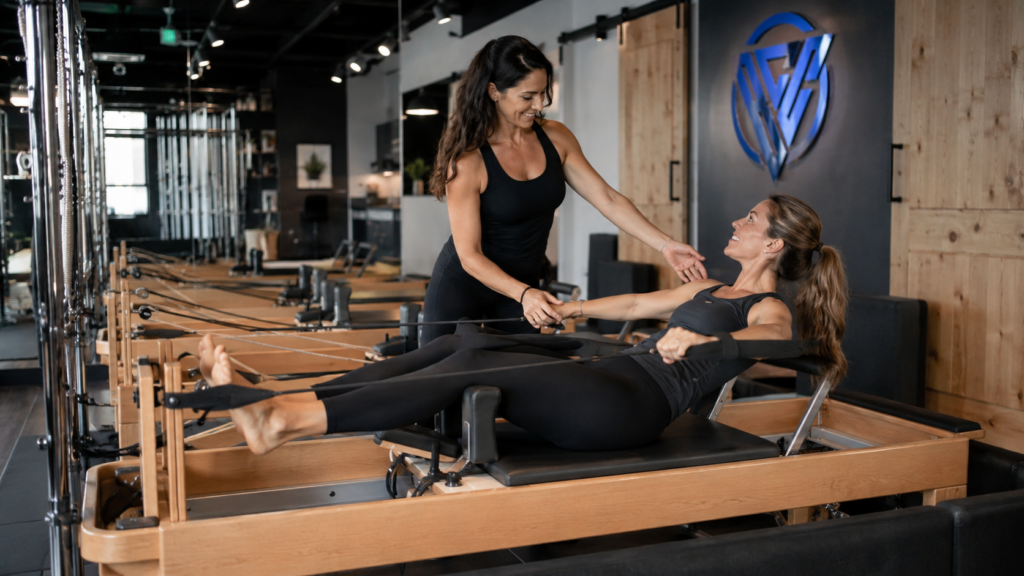
Introduction Trying to compare Pilates pricing can feel strange at first. One studio offers a low drop-in rate, another pushes unlimited membership, and a third hides the real value behind credits and class packs. That is exactly why people searching for pilates class cost often end up more confused than informed. At Blue Chip Conditioning in Las Vegas, the pricing structure shows the real decision is not just about the number on the screen. It is about how often you train, whether you want a small group setting, and how much coaching support you need. The studio lists options such as a free 30-minute demo, a $20 first reformer class, membership tiers, and class packages, which makes it a useful example for comparing value in a practical way. The best way to compare pilates class cost is to calculate the price per class, then compare what each option includes. A cheaper drop-in may work for occasional visitors, while a membership or class pack usually offers better value for regular clients. In Las Vegas, the real difference often comes down to class size, reformer access, and instructor attention. Key Takeaways What actually drives pilates class cost? Most people think pilates class cost is simple. It is not. The final number depends on the training format, the studio model, and the level of instruction. A basic mat session usually costs less than a reformer session because the reformer brings equipment, setup, and more direct coaching into the experience. Blue Chip Conditioning describes its work as specialized training for athletic enhancement, rehabilitation, and overall physical fitness, which helps explain why its pricing is tied to value, not just time on a schedule. There is also a big difference between a studio that sells one-off entry and a studio that builds long-term loyalty. Blue Chip Conditioning offers a free demo, a first reformer special, monthly memberships, and package options, while another Las Vegas studio lists a $36 single drop-in and monthly unlimited options at $109, $169, $239, $149, and more depending on the plan. That spread shows how wide pilates class cost can be in a competitive market. How to compare packages the smart way Here is the simplest way to judge a package: divide the total cost by the number of classes you will realistically attend. If a 10-class pack saves money but expires too fast for your schedule, it is not a real deal. If a membership reduces the per-class rate and you actually show up often, the math usually favors the membership. At Blue Chip Conditioning, the package structure makes this easy to see. The 5-class pack is $125 total, the 10-class pack is $220 total, and the 20-class pack is $360 total. That means your effective class cost drops as volume rises, but only if you use the sessions before expiration. That is the first lesson many people miss when comparing pilates class cost. A low sticker price is not automatically the best price. The smarter question is whether the package matches your actual routine. Memberships versus class packs This is where many buyers hesitate. A membership feels like a commitment, while a class pack feels safer. Both can be right. A membership usually works best when you have a predictable weekly schedule. Blue Chip Conditioning shows that clearly with membership tiers that include 4, 8, 12, or unlimited group classes each month. The monthly charge changes depending on how much you attend, which is exactly how most serious clients should compare pilates class cost. A class pack is better when your schedule changes often or when you are testing the studio before committing. A pack also makes sense if you travel, work irregular hours, or want to sample a studio before locking into a recurring payment. In a city like Las Vegas, that flexibility can matter as much as the price itself. Why reformer studios usually cost more People often ask why pilates class cost is higher at a reformer studio than at a general fitness studio. The short answer is coaching and equipment. Reformer sessions are more guided, more technical, and usually more personalized. Blue Chip Conditioning even frames its experience around hands-on corrections, proper form, and tailored sessions for different fitness levels. That is also why searchers looking for pilates class las vegas tend to care about much more than a city name. They want to know whether the class is beginner friendly, whether the instructor corrects form, and whether the workout feels safe on the joints. Blue Chip Conditioning’s own content stresses flexibility, balance, posture, and core stability as key outcomes, which aligns with what most clients actually want from a premium session. A practical comparison framework Use this step-by-step process before you buy anything: This is the same lens you would use when evaluating pilates reformer studio las vegas options. A studio may look affordable at first, but once you factor in class size, access rules, and how often you plan to attend, the value picture changes quickly. Blue Chip Conditioning’s pricing page is a strong example because it lays out the choices in a way that makes comparison easier. Common mistakes people make The first mistake is focusing only on the lowest advertised number. The second mistake is ignoring expiration dates. The third mistake is buying a membership before checking whether the class format fits your body and goals. Another common mistake is assuming every studio offers the same experience, especially when comparing pilates reformer studio las vegas choices. That is not true. Some places are crowded and fast, while others emphasize small class size, personal attention, and better cueing. Blue Chip Conditioning repeatedly highlights small class size and hands-on instruction, which matters when you compare studios that market themselves very differently. The hidden value most buyers overlook A cheaper session is not always the better session. Sometimes the extra cost buys better instruction, better corrections, and better long-term results. That matters if your goal is posture improvement, flexibility, core strength, or recovery
Pilates for Seniors: 7 Smart Ways to Improve Flexibility and Core Support
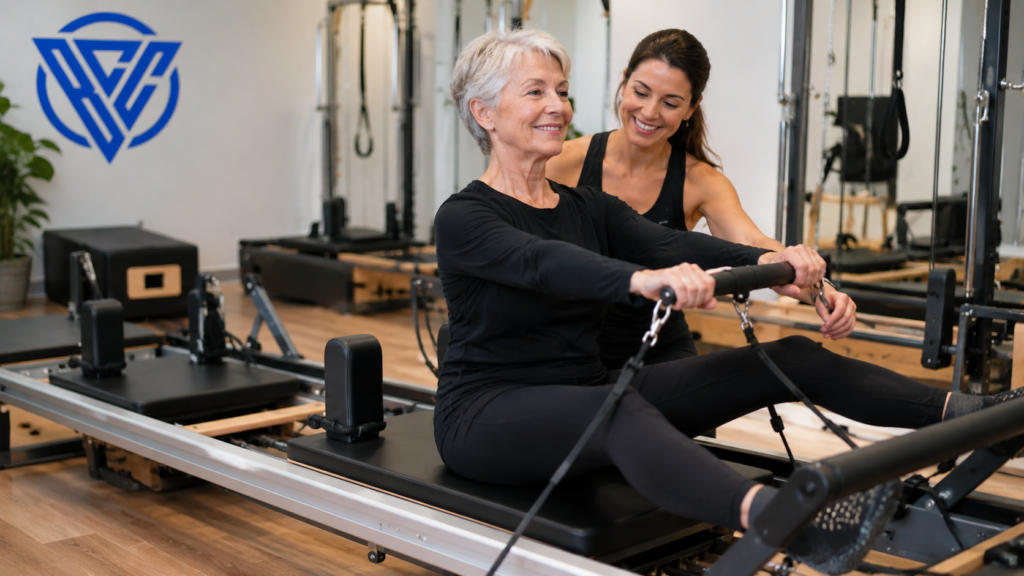
Introduction A lot of older adults do not quit moving because they lose motivation. They slow down because stiffness, balance worries, or joint discomfort make exercise feel less friendly than it used to. That is exactly where pilates for seniors stands out: it is controlled, low-impact, and built around better movement instead of punishing effort. At Blue Chip Conditioning, that same approach fits naturally with their rehab-minded, personalized style, including reformer pilates las vegas and pilates classes in las vegas for people who want guidance, confidence, and real support. Pilates for seniors is a low-impact way to build core stability, improve posture, and move with more control. It can be a smart fit for adults who want better flexibility, balance, and confidence in daily movement. When the program is scaled correctly, it can also feel safer and more approachable than high-impact workouts. Key Takeaways Why This Approach Works So Well The reason pilates for seniors gets attention is simple: it trains the body to move well before it tries to move harder. That matters because older adults often need more stability, not more strain. Pilates emphasizes controlled breathing, mindful movement, alignment, and core engagement, which are all useful for everyday strength and safer movement. Mayo Clinic notes that core work supports balance and stability, while gentle movement can help flexibility. 1. Start with breath before motion In pilates for seniors, breath is not just a nice detail. It helps set rhythm, reduce rushing, and improve body awareness. That slower pace is especially helpful for beginners who feel nervous, stiff, or out of practice. 2. Build core support without heavy strain A strong center helps the body stay organized during standing, walking, reaching, and twisting. That is one reason this style of training is so practical for daily life: it trains support muscles that many people ignore until they start feeling unstable. Research and clinical resources on older-adult exercise continue to point to strength and balance work as useful fall-prevention tools. 7 Smart Ways to Improve Flexibility and Core Support 1) Begin with the most comfortable version of each move For many adults, the first win is simply learning how to move without tension. In a well-designed senior-friendly session, an instructor can shorten the range of motion, slow the pace, or use support from equipment so the body feels safe enough to open up. That is one reason reformer-based training can be a strong choice for older adults who want guided resistance instead of jumping straight into floor work. Blue Chip Conditioning offers private and semi-private options, plus beginner-friendly training that can be adapted to the person in front of the instructor. 2) Train posture as a daily habit, not a once-in-a-while fix Poor posture usually builds slowly. So does better posture. That is why this training works best when people think of it as a practice, not a challenge. Repeated alignment work can help the shoulders, ribs, pelvis, and spine cooperate better, which often makes standing, sitting, and walking feel easier. Mayo Clinic’s fitness guidance also connects Pilates-style training with improved posture, balance, and range of motion. 3) Use controlled resistance to wake up the stabilizers Muscles do not need to be exhausted to be useful. Sometimes they just need a clear signal. A reformer gives spring-based feedback that helps people feel where they are moving well and where they are compensating. That is a big reason reformer pilates las vegas is appealing to seniors who want support, not chaos. It can feel especially helpful when stiffness, previous injury, or fear of falling makes a person overly cautious. 4) Keep flexibility work gentle and repeatable The goal is not to force a deeper stretch every session. The goal is to teach the body that movement is safe again. Gentle rotation, hip opening, chest expansion, and hamstring work can gradually improve mobility without the “next day regret” many people get from aggressive workouts. A review of Pilates training in older adults found improvements in flexibility, and other studies suggest possible balance benefits, though outcomes depend on the program and the person. 5) Choose the right setting for your confidence level Some people enjoy a group atmosphere. Others do better with more eyes on them. Both can work, but the best setting depends on confidence, mobility, and prior exercise experience. At Blue Chip Conditioning, small-group classes in Las Vegas are paired with private and semi-private training so the session can match the level of attention a client actually needs. That flexibility matters for older adults who want a slower ramp-up, more feedback, or a rehab-friendly environment. 6) Make consistency the real goal A lot of people overestimate what one hard workout can do and underestimate what eight steady weeks can do. For older adults, regular activity that includes strength and balance work is a proven part of reducing fall risk. Two well-coached sessions a week can often do more than a random burst of intense exercise followed by a long break. 7) Link every exercise to a real-life movement This is where the method starts feeling useful fast. Reaching into a cabinet, getting up from a chair, turning to look behind you, or standing on one foot while putting on a shoe all depend on the same qualities: core support, balance, and mobility. When pilates for seniors is taught well, those daily actions become the training goal, not just the byproduct. Comparison: What Seniors Usually Notice First When people compare pilates for seniors with other low-impact options, the first difference is usually the level of control. Walking is excellent for general activity, but it does not always challenge the core or posture in a targeted way. Yoga can improve flexibility, but some seniors prefer the more structured support and feedback of Pilates. That is why many people exploring pilates classes in las vegas and reformer-based sessions are really looking for one thing: a guided workout that feels safe, useful, and specific to their body. Option Best for Main feel Walking General
How the benefits of pilates reformer Can Transform Your Body and Daily Movement
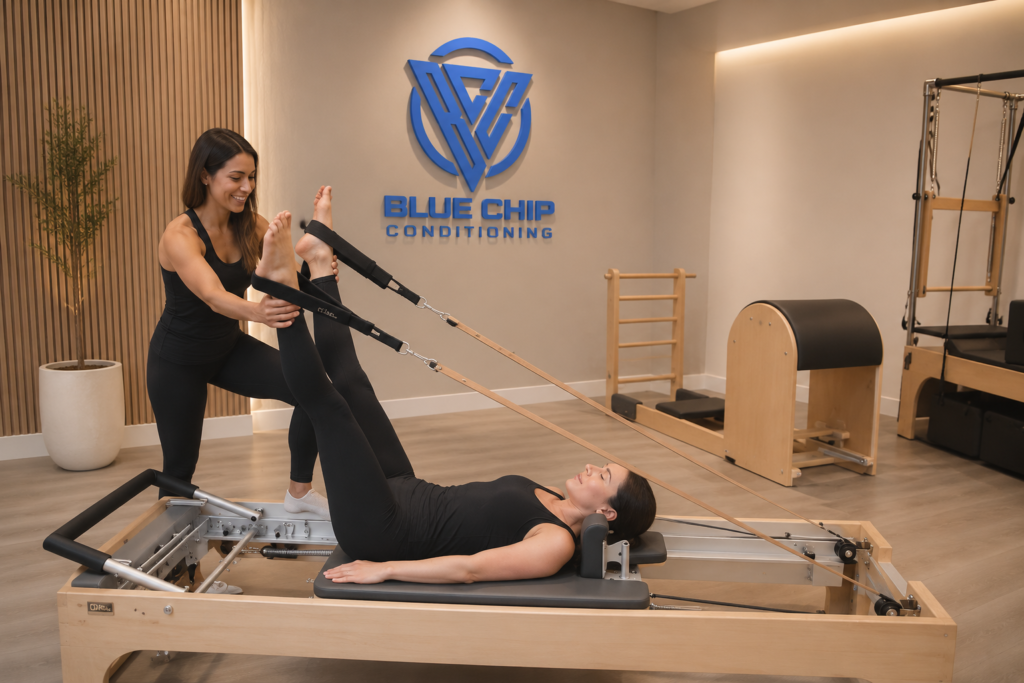
The benefits of pilates reformer are easy to notice when training is done with clear coaching, steady progress, and a plan that fits the body in front of you. At Blue Chip Conditioning, that idea matters because the studio focuses on athletic enhancement, rehabilitation, and overall physical fitness, not just a quick sweat session. For athletes, fitness enthusiasts, and injury recovery clients, the real value is simple: better control, better alignment, and better movement in daily life. In a strong pilates reformer studio las vegas, those gains can show up in the gym, on the field, at work, and even in how you walk up stairs or get out of a chair. Many people looking for reformer pilates las vegas want that exact blend of structure and coaching. Key Takeaways Why the benefits of pilates reformer stand out in real life The benefits of pilates reformer start with control. The springs, carriage, and guided resistance help you move through a full range without guessing what your body should do next. That makes the workout useful for people who want strength without beating up the joints. Blue Chip Conditioning highlights low-impact, customized Pilates conditioning as part of its approach, especially for athletes and people recovering from injury. One reason this training feels different from many other workouts is that the machine gives feedback immediately. If your alignment is off, you feel it. If your breath is rushed, your control drops. That instant feedback helps you learn faster and move better. What changes first? The first change is usually body awareness. You begin noticing how you stand, sit, and shift weight during simple tasks. Who feels the difference fastest? People with tight hips, weak cores, old injuries, or unstable movement patterns often notice it early. How the benefits of pilates reformer support strength without extra strain This method is often linked to strength, but the deeper value is how that strength is built. Instead of chasing speed or impact, reformer work asks for precision. That is useful for athletes who need force transfer, for fitness clients who want toned and stable movement, and for recovery clients who need a safer path back to training. Blue Chip Conditioning describes its sessions as highly personalized, with hands-on corrections and tailored workouts that match the client’s goals and fitness level. A problem many people face is simple: they want to get stronger, but their body starts to feel tight, tired, or irritated before they get real results. The solution is not always more effort. Often, it is smarter effort. That is where the benefits of pilates reformer become practical. The machine allows resistance to be scaled up or down, so the body can work hard without being overloaded. Comparison: reformer training vs. a basic floor workout A floor workout can be great, but it usually depends more on bodyweight and self-correction. Reformer work gives more structure. The machine supports you while still challenging you, which makes the benefits of pilates reformer easier to access for mixed levels. In a good local studio, that structure is paired with coaching, so each rep has a clear purpose. A useful reformer session also trains the small things that people usually ignore. Breath rhythm, foot pressure, spinal control, and tempo all matter more than many beginners expect. When these basics improve, people often notice that walking feels lighter, sitting feels less stiff, and standing from a chair takes less effort. That is the kind of change that makes training feel valuable beyond the studio. For athletes, those same details support cleaner mechanics and steadier force. For recovery clients, they can make movement feel less scary and more predictable. everyday clients, they can make a long workday or a busy weekend feel easier to handle. The best sessions do not try to impress you. They teach your body to organize itself better, one rep at a time. Why athletes and recovery clients choose this method The benefits of pilates reformer are especially useful for athletes because performance is not only about power. It is also about control, balance, and the ability to repeat movement well. Blue Chip Conditioning says its programs are built for athletic enhancement and rehabilitation, which fits clients who want performance gains without losing movement quality. For injury recovery clients, the benefits of pilates reformer are just as important. Controlled resistance can help keep the rest of the body active while a painful area heals. That matters when someone wants to return to sport, return to work, or simply return to daily life with more confidence. The studio’s own pricing page also shows beginner-friendly options, including a free 30-minute first demo class and a $20 first reformer class for new clients. Use case: a busy athlete in Las Vegas Imagine a basketball player or runner who needs better hip stability, stronger trunk control, and less post-workout strain. A well-run local studio can make that training feel focused instead of random. The benefits of pilates reformer show up in cleaner landings, smoother turns, and less wasted motion. The same idea works for someone rehabbing after a small injury. Instead of jumping back into high-impact training too early, they can build capacity step by step. That is one reason many clients search for reformer pilates las vegas when they want a smarter way to return to movement. What a good studio experience should feel like These results depend a lot on the studio itself. Blue Chip Conditioning emphasizes professional instructors, hands-on corrections, and a personalized Pilates experience that matches the client’s body and goals. The brand also positions itself as a Pilates-based wellness center in Las Vegas with private, semi-private, and group classes. That matters because the same exercise can feel very different depending on the coaching. In a crowded setting, people often rush and copy. In a thoughtful setting, they learn. The benefits of pilates reformer become much more useful when the coach notices the small details and adjusts the session in real time. What to look
Pilates Class Cost: What You Can Expect to Pay for a Pilates Class Las Vegas Studio
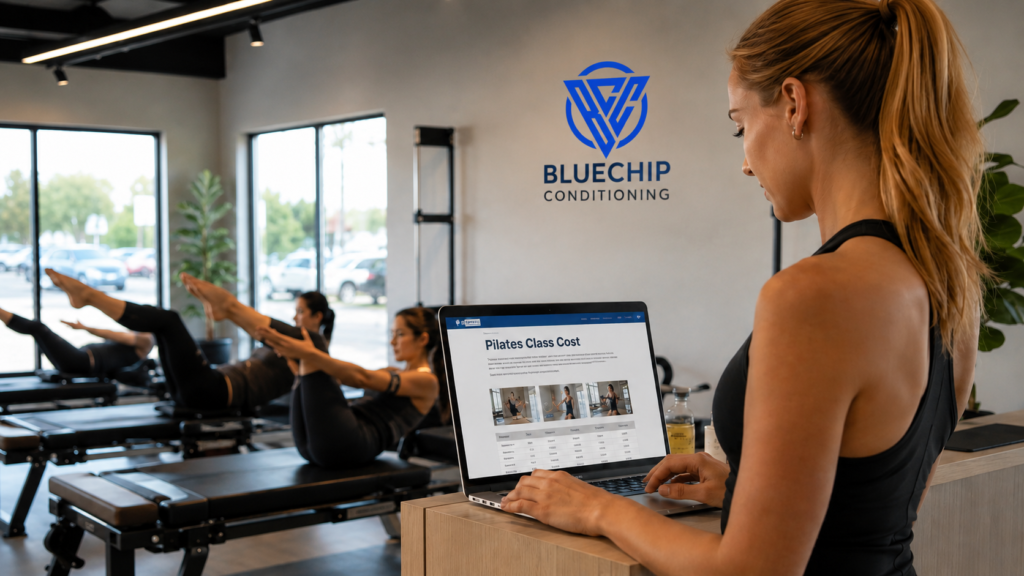
Introduction When people search for pilates class cost , they usually want a simple answer that helps them decide fast. They want to know what feels fair, what fits their goal, and whether the class is worth the money. At Blue Chip Conditioning, the price is tied to the type of support you need, the size of the class, and how personal you want the coaching to feel. That matters in a city like Las Vegas, where a beginner, an athlete, and someone coming back from injury may all need a different path. Key Takeaways What shapes pilates class cost in a Las Vegas studio? The biggest factor is attention. A class with more people usually has a lower price, while a smaller class gives you more coaching, more correction, and more room to ask questions. That is one reason pilates class cost can look very different from one studio to another. Another factor is the format. A basic group class is usually the most affordable entry point. A semi-private session sits in the middle. A one-on-one session is the most personal, so it usually has the highest price. At Blue Chip Conditioning, the menu is built around that idea. The studio offers group reformer classes, semi-private sessions, private Pilates, Pilates for dancers, elite athlete development training, and studio rental. The brand also describes itself as a specialized Pilates studio in Las Vegas focused on athletic enhancement, rehabilitation, and overall physical fitness. Is more expensive always better?Not always. The better choice is the one that matches your goal and how much coaching you need. What Blue Chip Conditioning includes in a pilates class las vegas experience A strong pilates class las vegas experience should feel organized, supported, and easy to follow. Blue Chip Conditioning says its classes are designed to give individualized attention, with proper form, alignment, and hands-on corrections. The studio also keeps group reformer classes small, with one client review noting classes that hold only up to 8 people. The first visit matters too. The studio’s price list shows a free 30-minute first demo class for new clients, a first reformer class at $20, and a new client special at $99 that includes 2 semi-privates and 2 group classes. That makes the entry point feel more approachable for someone testing the studio for the first time. For many readers, that is the real value behind pilates class cost. You are not just paying for time on a reformer. You are paying for coaching, structure, and a session style that is built to keep movement safe and purposeful. In a pilates class las vegas setting, that balance can matter more than a low headline price. A simple comparison that helps Group reformer classes are usually best for steady training and a lower monthly spend. Semi-private work is better when you want more correction without going fully private. Private sessions cost more, but they give the most tailored coaching and are often the best fit for injury recovery clients or athletes who need precision. pilates class cost at Blue Chip Conditioning: a clear look at the price structure The studio’s published pricing makes pilates class cost easier to understand because it breaks the options into clear levels. The first demo class is free for 30 minutes. The first reformer class is $20 for new clients. The standard group class packages begin at $25 per class for a 5-class pack, while the 10-class pack brings the rate down to $22 per class and the 20-class pack lowers it to $18 per class. Monthly memberships change the math even more. The Classic membership is $109 per month for up to 4 group classes, the Premium membership is $159 per month for up to 8 group classes, the Ultra membership is $199 per month for up to 12 group classes, and the Supreme membership is $249 per month for unlimited classes. Semi-private pricing is also published. The studio lists 4 semi-privates at $198 per month, 8 semi-privates at $318 per month, and 12 semi-privates at $398 per month. Private sessions start at $98 per session for an MVP session and $140 per session for an All-Star session. What is the lowest entry cost?For new clients, the free demo class is the lowest-friction way to start. What is the fastest way to lower per-class cost?A package or membership usually cuts the cost per visit. Why a pilates reformer studio las vegas often costs more than a general fitness class A pilates reformer studio las vegas experience usually has more coaching built into it than a standard gym class. The reformer itself adds equipment value, and the instruction is often more specific. That is part of why premium studios can cost more than a basic group workout. Blue Chip Conditioning’s pricing page shows that the studio’s model includes multiple class tiers, memberships, and private options rather than one flat drop-in rate. The difference is not only about equipment. It is also about the environment. The studio describes its classes as personalized and notes that they are built to help clients with strength, flexibility, confidence, and proper form. It also positions its semi-private sessions as a more tailored workout than a group class while still staying more affordable than private training. This is where pilates class cost and real value meet. A cheaper class can be fine for general movement. But if you want injury-aware coaching, better cueing, and a more personal experience, the higher price can make sense. Problem and solution Problem: Many people see a higher price and assume the class is overpriced.Solution: Look at what the session includes. If the class gives you cleaner form, better attention, and a safer pace, the cost may actually be better value over time. Best use cases for athletes, fitness enthusiasts, and recovery clients For athletes, the biggest win is control. Blue Chip Conditioning promotes elite athlete development training and says its Pilates work is designed for athletic enhancement. That kind of setting can help with