
How to Choose Las Vegas Pilates in 3 Steps: Method, Location & Instructor Credentials Checklist
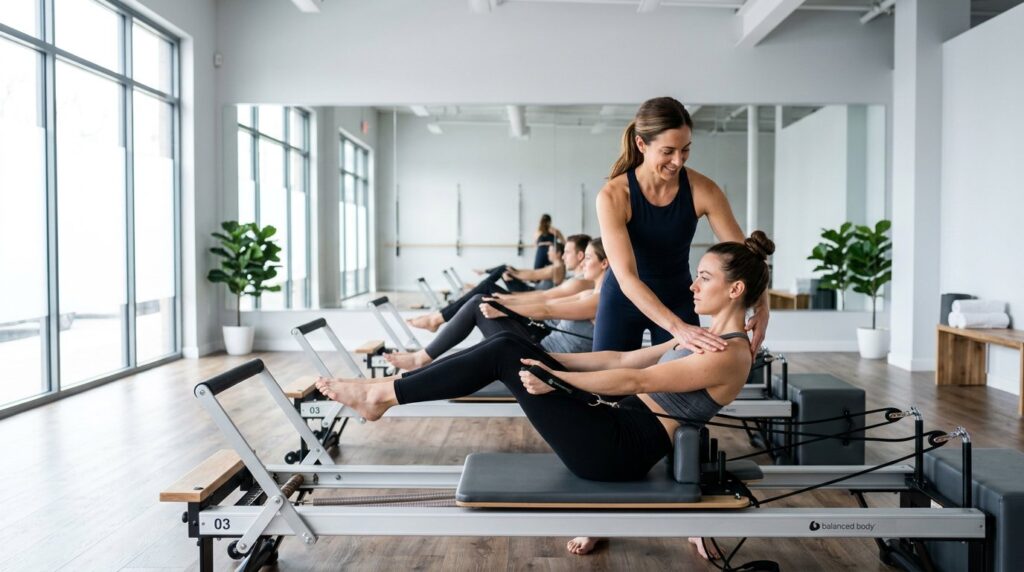
The 3 Decisions That Eliminate 90% of Bad Pilates Experiences Choosing las vegas pilates shouldn’t require a spreadsheet. Yet most people overcomplicate it, comparing dozens of studios on price alone. In reality, only three decisions actually matter when you’re starting out. Your method. Your location. And your instructor’s credentials. Nail these three, and you’ll skip almost every bad experience people run into. Miss even one, and you risk a wasted membership. You also risk a nagging injury, or a habit that quietly fades within a month. This guide walks through each decision step by step. That way, your first class feels right instead of random. Quick Answer To choose the right las vegas pilates studio, start with your method (reformer, mat, private, or a hybrid). Then confirm the location fits your real schedule, and finally check that instructors carry real certification with ongoing training. Skip any one of these three steps, and you raise your odds of a wasted membership. Step 1: Pick Your Method – Reformer, Mat, Private, or Hybrid Method comes first because it shapes everything else about your experience. Quick Definitions: What Each Method Actually Delivers Reformer uses a spring-loaded machine for resistance training, working your muscles on the push and the pull. Mat relies on bodyweight alone, using gravity and controlled breathing instead of springs. Private means one-on-one instruction built around your specific goals, injury history, and current ability. A hybrid approach blends two or more formats across your week. That’s exactly what most long-term las vegas pilates clients end up doing once they’ve tried each format on its own. The “Goal → Method” Matchmaker (Simple Table) Your Goal Best Starting Method Build visible strength fast Group Reformer Learn foundational control on a budget Mat Recover from injury or manage pain Private or Semi-Private Train for a specific sport Athletic Performance Track Stay consistent without overthinking it Hybrid Mat + Reformer Method Mistake #1: Choosing Mat Because It Looks Easier on Instagram Mat videos online often look gentle and slow. In person, proper mat work is genuinely hard. Picking it purely because it “looks easier” sets you up for a surprise on day one. Without spring resistance to guide your form, mat classes actually demand more core control, not less. Pick your method based on your goal, not social media footage. Method Mistake #2: Jumping Straight to Private Without Trying Group First Private sessions cost more, and some people assume that means better results automatically. For general fitness goals, group classes deliver comparable results at a lower price. You also get built-in accountability from a set class time and familiar faces. Save private sessions for injury recovery or advanced goals that actually need one-on-one attention. Let group las vegas pilates classes handle everything else. Your Method Decision in 60 Seconds (Flowchart Summary) Ask yourself: Do I have an injury or specific medical concern? If yes, start private. If no, do I want maximum resistance and visible tone fast? If yes, start group reformer. If you’d rather build a foundation slowly and affordably, start mat, then add reformer later. Step 2: Lock In Your Location – The Radius Rule The best pilates las vegas program on paper still fails if you can’t realistically get there. Location is the decision people underrate most. That changes fast once they’ve missed three classes in a row because traffic made the drive feel like a chore. Why Driving 25 Minutes to Pilates Is a Retention Killer Distance quietly kills consistency. Once a class requires more than fifteen minutes of driving each way, attendance drops off within the first couple of months. That happens no matter how motivated you felt on day one. Even the best las vegas pilates studio in the valley can’t fix that. A commute that feels like a second job kills motivation fast. The Las Vegas Neighborhood Map: Where the Top Studios Cluster Most established studios cluster around Summerlin, Spring Valley, Henderson, and the southwest valley near Rainbow Boulevard. Fewer options exist further from these hubs. Location should factor into your decision early, not as an afterthought. Blue Chip’s Southwest Location: Serving Summerlin, Spring Valley, and Enterprise Blue Chip Conditioning sits at 6275 S Rainbow Blvd. That gives quick access to Summerlin, Spring Valley, and Enterprise alike. That central positioning matters. It helps if you’re comparing las vegas pilates studio options across different parts of the valley. Location Checklist: Parking, Traffic Patterns, and Class Times Step 3: Vet Instructor Credentials – The Non-Negotiable Standards Method and location matter, but the instructor is who actually shapes your results. The Certification Alphabet: What PMA, NCPT, STOTT, and Balanced Body Actually Mean PMA stands for the Pilates Method Alliance, an industry certifying body. NCPT means Nationally Certified Pilates Teacher. STOTT and Balanced Body are training organizations with their own certification tracks. These often run several hundred hours long. None of these letters guarantee quality alone. But their presence signals something real: that instructor spent real time in formal training before ever stepping in front of a las vegas pilates class. Continuing Education: Why It Matters More Than the Original Cert A certification earned five years ago means little without ongoing education since then. Ask whether instructors attend workshops, pursue specialty training, or stay current on injury modification techniques. Continuing education signals an instructor actively improving, not coasting on an old credential, and it’s one of the clearest quality markers across any las vegas pilates studio you visit. Hands-On Corrections: The Single Biggest Predictor of Results Watch a class before you book one. If the instructor walks the room and physically adjusts hips and shoulders, that’s the real signal. So is calling out names. Verbal cueing from the front of the room, without any hands-on correction, rarely produces the same results. That’s true no matter how experienced the instructor sounds on paper. The 3-Question Instructor Interview (Use This Before You Book) Red Flags That Should Make You Walk Away Immediately Watch for instructors who can’t clearly explain their training background. Watch
Pilates Vegas: 5 Class Types Compared – Which One Gets You Results Fastest?
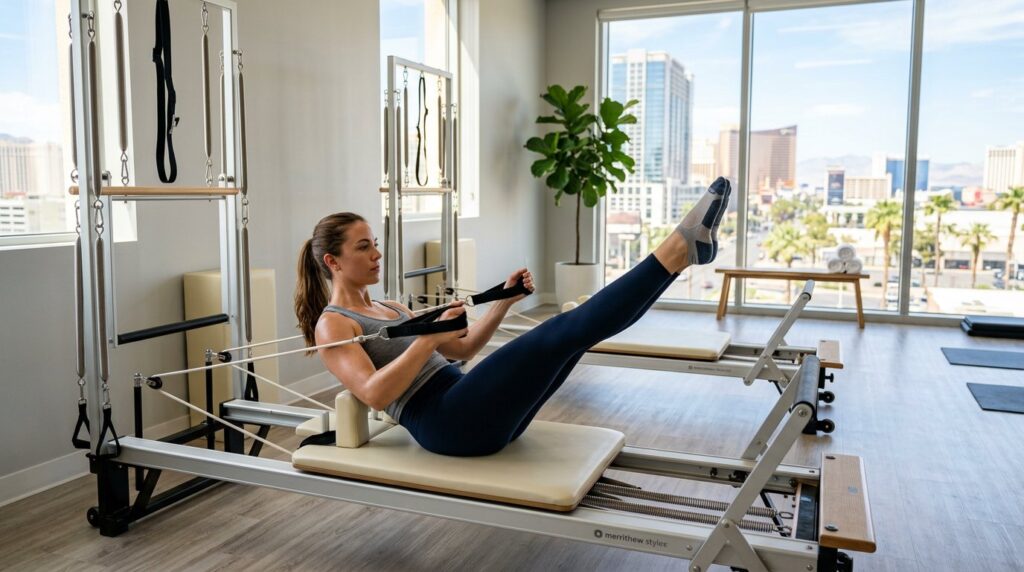
Walk into any studio offering Pilates Vegas classes for the first time, and you’ll see five different formats before you even sign a waiver. Reformer, mat, private, group, and athletic performance training all promise results. But they don’t work the same way. Pick the wrong one, and you often waste weeks. Then you quietly cancel a membership out of frustration. At Blue Chip Conditioning, our studio at 6275 S Rainbow Blvd was built so you never have to guess between endless pilates classes in las vegas. Every format lives under one roof. So your first Pilates Vegas class doesn’t have to be your last stop before you switch studios. Below, we compare all five formats honestly. You’ll learn what each one actually does, who it fits best, and how fast your body responds. Quick Answer If speed matters most in your Pilates Vegas search, private or small-group reformer sessions win. Most people see visible change in three to four weeks. Mat Pilates builds a strong foundation, but it takes longer on its own. Private coaching speeds things up because corrections happen in real time – it just costs more per session than group classes. Quick Comparison: 5 Pilates Class Types at a Glance Class Type Best For Avg. Session Cost Time to See Results Intensity Level Group Reformer Full-body toning + accountability $16–$27 per class 4–6 weeks Moderate–High Mat Pilates Core control + mobility, budget-friendly Included with most memberships 6–8 weeks Moderate Private Pilates Injury recovery + precise correction $98–$140 per session 2–4 weeks Fully Customized Semi-Private Personal coaching, shared cost Roughly $33–$50 per session 3–5 weeks Moderate–High Athletic Performance Sport-specific power + mobility Custom private-based pricing 4–8 weeks High Reformer Pilates: The Spring-Loaded Powerhouse Reformer pilates las vegas classes get the most attention online. Honestly, the hype is mostly earned. The machine looks scary the first time you see it. But once you learn how it works, it’s one of the best tools for building strength. And it puts very little stress on your joints. How a Reformer Class Actually Works (Carriage, Springs, and Straps) A reformer is a sliding carriage attached to springs. It has straps for your hands and feet, plus a footbar you push against. As you push or pull the carriage, the springs create resistance both ways. So your muscles work on the way out and the way back in. That constant tension is what makes a 45-minute class feel harder than it looks. Instructors adjust the springs to make moves gentler for beginners, or much harder for advanced clients stuck on a plateau. Who Should Choose Reformer Pilates Anyone searching for a faster way into Pilates Vegas culture tends to land here first. This format suits you if: Who Should Skip It (or Wait) If you’re new to structured exercise, equipment can feel intimidating. A fast-paced reformer class might overwhelm you at first. In that case, try a private session or a few mat classes first, and build confidence before you tackle the springs. If you’re recovering from an acute injury, get clearance first, then start with private or semi-private sessions instead of a full group class. Realistic Results Timeline: What 4, 8, and 12 Weeks Look Like By week four, most clients notice better posture. Lower-back tightness eases up too, even before the scale moves. By week eight, visible core definition and better balance show up, and daily movement like climbing stairs starts feeling easier. By week twelve, consistent attendees report real strength gains and tighter waistlines – friends and coworkers usually notice the change by then. This is the typical timeline for Pilates Vegas clients who train twice a week. Results always depend on consistency, though. Mat Pilates: Zero Equipment, Pure Body Control Mat work is the original form of Pilates. It stays deceptively hard, even without a single piece of equipment. It’s also one of the most common pilates classes in las vegas for beginners just getting started. The Classic Mat Setup and What Makes It Deceptively Hard A mat class uses only your bodyweight and gravity for resistance. There’s no spring assistance to guide your form. So mat Pilates demands sharper control and deeper core engagement than most people expect. Small, precise movements burn more than big, sloppy ones – a five-inch leg lift held with perfect alignment can shake your whole core. Mat Pilates Is Best When You Want… Where Mat Falls Short Mat classes offer less resistance variety than reformer sessions. So progress can plateau faster if you’re chasing visible muscle change. There’s also no spring support to help your form, which means beginners sometimes develop bad habits that go uncorrected in a bigger group. Why Most People Combine Mat WITH Reformer (Not Choose One) Most experienced clients don’t pick one over the other – they use both. Many group reformer class memberships at Blue Chip include credit for mat and stretch sessions too, so you’re not paying twice for variety. This combo is common among people who take reformer pilates las vegas classes seriously. Mat days become active recovery between harder reformer sessions, which keeps your body progressing without burning out. Private Pilates Sessions: One-on-One Precision Private training removes the group setting entirely. For certain goals, that single change matters more than anything else in the Pilates Vegas decision. What Happens in a Private That Never Happens in a Group Class In a private Pilates session, your instructor watches every rep and adjusts your form in real time – something that’s simply not possible when one teacher manages eight people at once. Your program gets built around your goals, your injury history, and your current ability, not a set class plan built for the average attendee. The Real Cost Difference and Whether It’s Worth It Private sessions at Blue Chip run around $98 per session. An All-Star session with founder Danielle Maas runs $140. That’s a real jump from an $18 to $27 group class, but for injury rehab or fast-tracked Pilates Vegas results, the extra
Home Pilates Equipment: What You Actually Need to Get Started
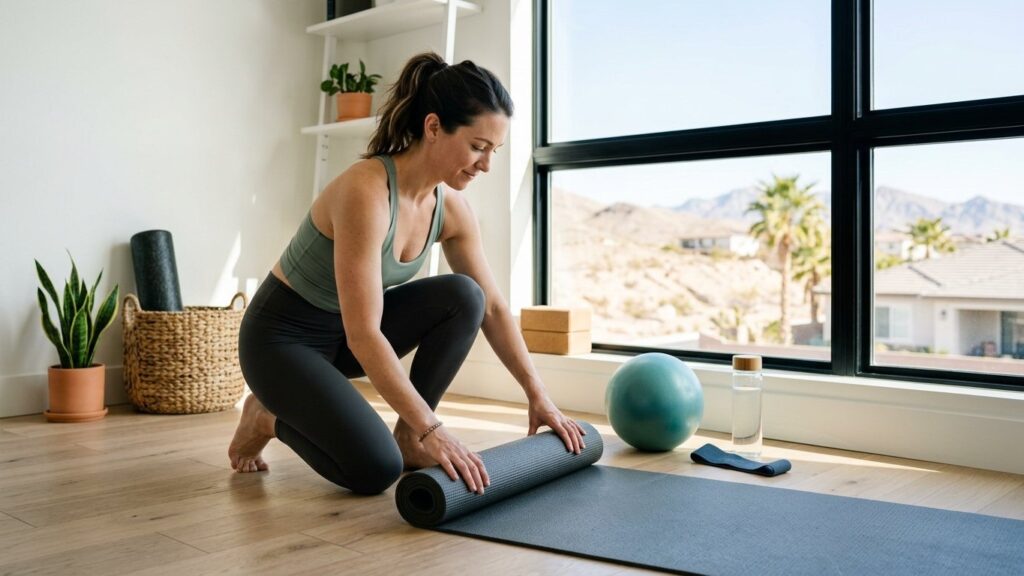
Do you actually need a room full of gear to start Pilates at home? No, you don’t. Most people buying pilates equipment end up with far more than they use, while the one thing that truly changes results – real coaching – never makes it onto the shopping list. This guide walks through exactly what earns a spot in your home setup, what’s a waste of money, and when a studio class simply beats anything you can buy. By the end, you’ll know precisely where to spend, where to save, and where to skip entirely. Quick Answer: For most beginners, the only pilates equipment worth buying right away is a supportive mat, a light resistance band, and a small stability ball. Together they cost under $80 and cover the majority of beginner-friendly moves. Everything bigger, like a reformer or tower, only pays off once you’ve built real form under an instructor. What Pilates Equipment Do Beginners Really Need? Here’s the short list that covers almost every beginner workout: That’s it. You don’t need weights, boards, or a machine to get a genuinely effective session. Once you’ve mastered these basics, you’ll have a much clearer sense of whether more advanced pilates equipment is worth the investment. Why Most Equipment Lists Get This Wrong Search for pilates equipment online and you’ll find lists pushing towers, chairs, and full reformers at every beginner, regardless of experience. That advice sells products, but it doesn’t build strength any faster. A $2,000 reformer used with sloppy form teaches your body bad habits efficiently. Meanwhile, a coach standing beside you for 45 minutes corrects those same habits before they stick. Because of this, the gear isn’t the bottleneck for most people. Instruction is. That single fact should guide almost every purchase decision you make, whether you’re spending $30 or $3,000. The Three Pieces of Pilates Equipment Worth Buying First A Supportive Mat Your spine and hip bones spend a lot of time pressed against the floor during Pilates, so a flimsy yoga mat won’t cut it. Look for one with extra cushioning and a non-slip base. A good mat also travels well, so you can bring it along if you ever join a mat-based studio session. A Resistance Band A light band mimics spring resistance without the price tag of a reformer. It works for leg circles, arm series, and seated rows, and it packs flat into a drawer. Bands are also forgiving for beginners, since you can adjust tension just by changing your grip. A Small Stability Ball This is where a lot of home practitioners get surprised. A small ball forces your deep core muscles to fire in ways flat-floor exercises simply can’t. It’s cheap, light, and genuinely useful – unlike many flashier items marketed as must-have pilates equipment for beginners. Choosing the Right Ball Size for Your Body Not every stability ball suits every body, and size matters more than most people expect. A ball that’s too large won’t let you squeeze it properly between your knees or ankles, while one that’s too small won’t create enough resistance to feel the exercise working. If you’re unsure, an 8-inch pilates ball is the safest first purchase, since it suits the widest range of body types and exercises. Pilates Equipment That Sounds Useful But Rarely Gets Used A few categories get marketed hard, yet rarely earn their price for a home beginner: If a product promises to replace an entire studio, treat that as a warning sign, not a selling point. Common Mistakes First-Time Buyers Make Even careful shoppers fall into a few predictable traps. Watch out for these before you check out: Avoiding these mistakes saves money and, more importantly, saves you from building habits you’ll later have to unlearn. Setting a Pilates at Home Equipment Budget: $50 vs. $500 vs. $2,000+ Your pilates at home equipment budget should match how often you actually plan to train, not how much a website recommends you spend. Here’s a realistic breakdown: Budget What It Buys Best For $50 Mat, resistance band, small stability ball Absolute beginners testing the method $500 Everything above, plus a firmer ball, hand weights, a resistance ring, and storage Consistent home practitioners supplementing studio classes $2,000+ An entry-level home reformer plus accessories Advanced practitioners with prior instructor-led training Notice that cost scales with commitment, not with results. A beginner who trains consistently with a modest pilates at home equipment setup and a weekly class will usually outpace someone training alone with a $2,000 machine. Building a Home Pilates Setup Step by Step Follow this order if you’re starting completely from zero: Is a Portable Pilates Reformer Worth Adding Later? A portable pilates reformer can extend your practice once you already know proper form, but it isn’t the right starting point for most beginners. These machines fold for storage and cost far less than studio-grade equipment, yet they also use shorter carriage travel and lighter springs. That’s a fair trade for convenience, but it limits how far your training can progress on the machine alone. If you already train with an instructor and want extra reps between sessions, a portable pilates reformer is a reasonable supplement. If you’ve never used a reformer at all, skip it and start where the feedback lives. Many clients wait a few months before buying one. By then, they already know what proper spring tension feels like. That makes it much easier to judge a folding model fairly, instead of guessing. What Wearing the Right Gear Adds to Your Setup Equipment isn’t only about mats and bands. What you wear changes how safely and comfortably you move, especially once grip and traction come into play. Loose clothing can catch on straps, and the wrong socks can turn a simple footwork drill into a slipping hazard. Our full guide to what to wear for Pilates covers fitted clothing, sock choices, and layering so nothing you own works against your form. Home Practice vs. Studio Training: What Actually Changes Results Even a well-chosen
Why More Professionals Are Choosing Pilates Las Vegas for Strength and Longevity
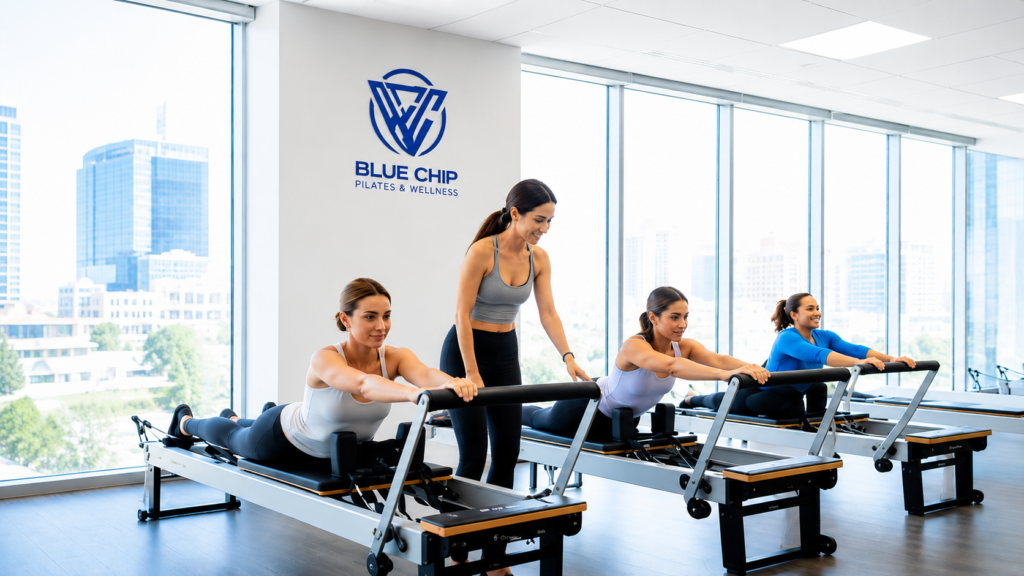
Discover why busy professionals in Las Vegas are turning to Pilates for long-term strength, injury prevention, and a healthier career. Find out what makes pilates Las Vegas so effective. Las Vegas is not just a city of entertainment anymore. Over the past few years, it has quietly become one of the most fitness-forward cities in the country. And right at the center of that shift? Pilates Las Vegas -a training method that is gaining serious traction among professionals, executives, athletes, and everyday people who want to move better and live longer. If you have been curious about why so many working professionals are swapping their gym routines for reformer sessions, this article breaks it all down. No fluff. Just real reasons why Pilates works -especially if you have a demanding career and a body that needs to last. What Does “Strength and Longevity” Actually Mean in Fitness? Before we get into the why, it helps to understand the goal. Most people start working out to look better or lose weight. But professionals -especially those in their 30s, 40s, and beyond -start asking a different question: How do I stay strong and pain-free for the next 20 years? That is what longevity training is about. It is not about lifting the heaviest weight or running the fastest mile. It is about building a body that stays functional, resilient, and injury-free for decades. And that is exactly where pilates Las Vegas studios like Blue Chip Conditioning have carved out a reputation. The Unique Demands on Las Vegas Professionals Let’s be honest. Life in Las Vegas is intense. Whether you are in hospitality, healthcare, real estate, entertainment, or athletics -long hours, high stress, and inconsistent schedules are the norm. Here is what that lifestyle does to your body over time: Traditional gym workouts -lots of heavy lifting, high-impact cardio, repetitive motion -can actually make these problems worse. That is why so many professionals in Las Vegas are switching to a smarter approach. How Pilates Las Vegas Addresses These Problems Differently Pilates is a low-impact, precision-based movement system. It was originally developed to help dancers and athletes recover from injuries, but it has evolved into one of the most well-rounded fitness methods available today. At a pilates reformer studio Las Vegas, the reformer machine plays a central role. Unlike free weights or machines at a regular gym, the reformer uses spring resistance that can be adjusted to match your exact fitness level, body mechanics, and health needs. This makes every session safer and more effective at the same time. Here is what a typical professional gains from consistent Pilates training: 1. Core Strength That Goes Deeper Than Abs When people say “core,” most think of a six-pack. In Pilates, the core includes your deep stabilizing muscles -the ones that protect your spine and keep your entire body aligned. Strengthening these muscles is what eliminates chronic back pain and improves posture over time. 2. Functional Flexibility Pilates Las Vegas stretches and strengthens muscles simultaneously. This means your flexibility actually serves a purpose -it improves how you move in real life. Getting out of a car, reaching overhead, carrying groceries -everything feels easier. 3. Better Breathing and Stress Response Breath control is built into every Pilates movement. This is not just a mindfulness trick. It directly activates your parasympathetic nervous system -the part that calms your body down. For a high-stress professional, this is genuinely therapeutic. 4. Joint Health and Injury Prevention The controlled, low-impact nature of Pilates reduces wear and tear on your joints. Many professionals who have dealt with knee pain, shoulder issues, or hip tightness find that regular Pilates Las Vegas sessions reduce or even eliminate those symptoms. What the Best Pilates Instructors in Las Vegas Actually Do Differently One of the biggest reasons pilates Las Vegas is becoming the go-to for professionals is the quality of instruction available here. Not all Pilates studios are the same. The best pilates instructors in Las Vegas are trained to do much more than just count reps and play music. At a studio like Blue Chip Conditioning, instructors are trained to: This level of expertise is what separates a great Pilates Las Vegas session from a mediocre one. And it is exactly what busy professionals need -efficient, personalized training that delivers results without wasted time. Why the Reformer Changes Everything If you have never tried a reformer, it might look intimidating at first. It should not be. The reformer is actually one of the most versatile and body-friendly pieces of exercise equipment ever designed. A good pilates reformer studio Las Vegas will walk you through everything. Within one or two sessions, most people understand the machine intuitively. And once they do, the results come fast. The reformer allows you to: For professionals who have avoided weight training because of previous injuries or joint sensitivity, the reformer is often the perfect alternative. Real Results Professionals Are Seeing People who commit to regular Pilates training in Las Vegas report changes that go well beyond the physical. Here are the most common results they notice: These are not small quality-of-life changes. For someone who spends 40 to 60 hours a week working, feeling physically better has a direct impact on productivity, mood, and career performance. How to Get Started Without Disrupting Your Schedule One of the most common excuses professionals give for not exercising is time. But the truth is, pilates Las Vegas studios are designed to fit into a busy lifestyle. Sessions at Blue Chip Conditioning run in formats that include: Even two sessions per week -done consistently -will produce measurable improvements in strength, flexibility, and posture within a few months. It does not require hours in the gym every day. The Long-Term Case for Pilates This is the part most fitness marketing skips over. Short-term results are easy to sell. Long-term impact is harder to explain but far more important. Here is the truth: the professionals who are choosing pilates Las Vegas are not just looking
Pilates for Seniors: 7 Smart Ways to Improve Flexibility and Core Support
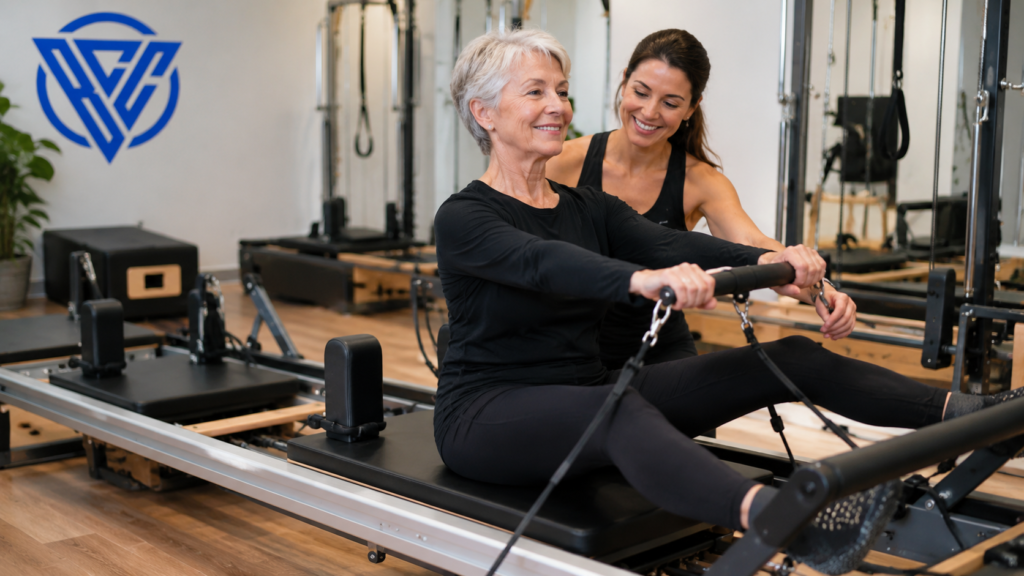
Introduction A lot of older adults do not quit moving because they lose motivation. They slow down because stiffness, balance worries, or joint discomfort make exercise feel less friendly than it used to. That is exactly where pilates for seniors stands out: it is controlled, low-impact, and built around better movement instead of punishing effort. At Blue Chip Conditioning, that same approach fits naturally with their rehab-minded, personalized style, including reformer pilates las vegas and pilates classes in las vegas for people who want guidance, confidence, and real support. Pilates for seniors is a low-impact way to build core stability, improve posture, and move with more control. It can be a smart fit for adults who want better flexibility, balance, and confidence in daily movement. When the program is scaled correctly, it can also feel safer and more approachable than high-impact workouts. Key Takeaways Why This Approach Works So Well The reason pilates for seniors gets attention is simple: it trains the body to move well before it tries to move harder. That matters because older adults often need more stability, not more strain. Pilates emphasizes controlled breathing, mindful movement, alignment, and core engagement, which are all useful for everyday strength and safer movement. Mayo Clinic notes that core work supports balance and stability, while gentle movement can help flexibility. 1. Start with breath before motion In pilates for seniors, breath is not just a nice detail. It helps set rhythm, reduce rushing, and improve body awareness. That slower pace is especially helpful for beginners who feel nervous, stiff, or out of practice. 2. Build core support without heavy strain A strong center helps the body stay organized during standing, walking, reaching, and twisting. That is one reason this style of training is so practical for daily life: it trains support muscles that many people ignore until they start feeling unstable. Research and clinical resources on older-adult exercise continue to point to strength and balance work as useful fall-prevention tools. 7 Smart Ways to Improve Flexibility and Core Support 1) Begin with the most comfortable version of each move For many adults, the first win is simply learning how to move without tension. In a well-designed senior-friendly session, an instructor can shorten the range of motion, slow the pace, or use support from equipment so the body feels safe enough to open up. That is one reason reformer-based training can be a strong choice for older adults who want guided resistance instead of jumping straight into floor work. Blue Chip Conditioning offers private and semi-private options, plus beginner-friendly training that can be adapted to the person in front of the instructor. 2) Train posture as a daily habit, not a once-in-a-while fix Poor posture usually builds slowly. So does better posture. That is why this training works best when people think of it as a practice, not a challenge. Repeated alignment work can help the shoulders, ribs, pelvis, and spine cooperate better, which often makes standing, sitting, and walking feel easier. Mayo Clinic’s fitness guidance also connects Pilates-style training with improved posture, balance, and range of motion. 3) Use controlled resistance to wake up the stabilizers Muscles do not need to be exhausted to be useful. Sometimes they just need a clear signal. A reformer gives spring-based feedback that helps people feel where they are moving well and where they are compensating. That is a big reason reformer pilates las vegas is appealing to seniors who want support, not chaos. It can feel especially helpful when stiffness, previous injury, or fear of falling makes a person overly cautious. 4) Keep flexibility work gentle and repeatable The goal is not to force a deeper stretch every session. The goal is to teach the body that movement is safe again. Gentle rotation, hip opening, chest expansion, and hamstring work can gradually improve mobility without the “next day regret” many people get from aggressive workouts. A review of Pilates training in older adults found improvements in flexibility, and other studies suggest possible balance benefits, though outcomes depend on the program and the person. 5) Choose the right setting for your confidence level Some people enjoy a group atmosphere. Others do better with more eyes on them. Both can work, but the best setting depends on confidence, mobility, and prior exercise experience. At Blue Chip Conditioning, small-group classes in Las Vegas are paired with private and semi-private training so the session can match the level of attention a client actually needs. That flexibility matters for older adults who want a slower ramp-up, more feedback, or a rehab-friendly environment. 6) Make consistency the real goal A lot of people overestimate what one hard workout can do and underestimate what eight steady weeks can do. For older adults, regular activity that includes strength and balance work is a proven part of reducing fall risk. Two well-coached sessions a week can often do more than a random burst of intense exercise followed by a long break. 7) Link every exercise to a real-life movement This is where the method starts feeling useful fast. Reaching into a cabinet, getting up from a chair, turning to look behind you, or standing on one foot while putting on a shoe all depend on the same qualities: core support, balance, and mobility. When pilates for seniors is taught well, those daily actions become the training goal, not just the byproduct. Comparison: What Seniors Usually Notice First When people compare pilates for seniors with other low-impact options, the first difference is usually the level of control. Walking is excellent for general activity, but it does not always challenge the core or posture in a targeted way. Yoga can improve flexibility, but some seniors prefer the more structured support and feedback of Pilates. That is why many people exploring pilates classes in las vegas and reformer-based sessions are really looking for one thing: a guided workout that feels safe, useful, and specific to their body. Option Best for Main feel Walking General
How Elite Athlete Development Is Changing the Future of Sports Performance
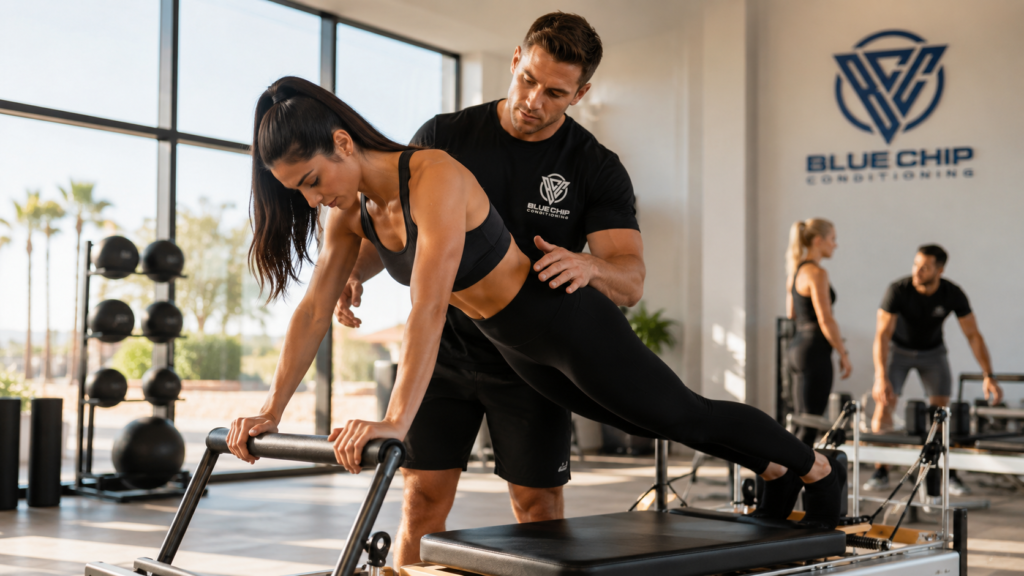
Introduction elite Athlete Development is no longer a niche idea. It is becoming a practical training model for athletes who want better movement, cleaner mechanics, and stronger results without overloading the body. At Blue Chip Conditioning in Las Vegas, the approach is built around Pilates-based training, athletic enhancement, rehabilitation, and personalized coaching that fits the person, not just the sport. This shift matters because performance is not only about lifting more or training harder. It is also about control, balance, recovery, and repeatable movement under pressure. That is why elite Athlete Development is starting to reshape how athletes, fitness enthusiasts, and injury recovery clients think about progress. Key Takeaways Why elite Athlete Development Is Becoming a Smarter Performance Model For years, many athletes trained with a simple formula: go harder, go faster, do more. That approach can build work capacity, but it can also leave gaps in mobility, balance, and recovery. elite Athlete Development is changing that pattern by focusing on how the body performs, not only how much it can endure. What is the real goal of elite Athlete Development?To build a body that is stronger, more controlled, and more efficient in motion. At Blue Chip Conditioning, the training philosophy is tied to athletic enhancement, rehabilitation, and overall physical fitness. The studio says it uses Pilates conditioning to help clients find their edge and reach full athletic potential. That makes the model useful for sports performance, but also for everyday movement and injury-conscious training. When athletes train this way, they are not just chasing sweat. They are building a system. That system improves how force is produced, how the core supports the spine, and how the body stays stable during fast or unpredictable movement. For that reason, elite Athlete Development fits well with modern performance goals. From generic workouts to targeted movement Traditional workouts often treat the body like one unit. This approach breaks that idea apart. It looks at hips, trunk control, posture, breath, balance, and recovery as connected parts of one performance chain. This is where reformer-based training becomes useful. The reformer adds resistance, support, and feedback. That combination helps athletes feel where they are weak, where they compensate, and where they need cleaner mechanics. In a city like Las Vegas, where many people mix sport, work, travel, and long hours on their feet, that kind of training feels practical as well as premium. Why does the reformer matter so much?It gives athletes control, resistance, and feedback in the same session. What Blue Chip Conditioning Brings to the Table Blue Chip Conditioning presents itself as a Pilates-based wellness center in Las Vegas offering private, semi-private, and group classes for fitness, rehabilitation, and athletic work. It also highlights a 5-star style trust signal on the homepage with 2K+ reviews and a 4.95 out of 5 rating. That kind of social proof matters because performance clients want results, but they also want confidence in the process. The studio also emphasizes hands-on corrections, proper form, and personalized workouts. That is a big deal in elite Athlete Development because small alignment issues can change how an athlete lands, lifts, rotates, or recovers. Even a minor leak in mechanics can become a larger problem over time. The role of best pilates instructors is not only to lead a class. It is to see the subtle errors most people miss. The best pilates instructors know when to slow a movement down, when to challenge a client, and when to protect a recovering body from doing too much too soon. That is why reformer pilates las vegas sessions can feel very different from a crowded fitness class. The structure is tighter. The feedback is sharper. The movement is more specific. For athletes, that specificity often leads to better carryover in sport. What a session can look like in real life A young tennis player may need more core control and rotational stability. A runner may need hip strength and better landing mechanics. A dancer may need balance and smoother control through the spine. elite Athlete Development can support each of those needs without forcing the same program on every person. This is also where best pilates instructors make a visible difference. They can adjust pace, exercise order, and resistance based on the client’s goal. In one session, the focus may be range of motion. In another, it may be endurance or control. That flexibility is what makes the work feel tailored rather than generic. The good news is that the first step does not have to be complicated. One assessment, one clear goal, and one smart training plan can change the direction of a season. That is the kind of simple beginning many people need. The problem: training hard but moving poorly A common problem in sports performance is not lack of effort. It is poor movement quality under load. An athlete may have great drive but still struggle with stiffness, asymmetry, or weak stabilization. When that happens, more volume can make the issue louder, not better. This approach offers a different answer. Instead of piling on more work, it tries to improve the way the body handles work. That is a better solution for athletes who want to stay competitive while reducing the stress that often comes with repetitive training. Blue Chip Conditioning makes this point clearly in its rehabilitation messaging. The studio explains that when Pilates conditioning is combined with physical therapy after injury, it can support better and faster results because the training is low-impact and highly specialized. That is exactly the kind of logic recovery clients appreciate. It keeps the body active while healing continues. This is where reformer pilates las vegas training becomes more than a trend. It becomes a bridge between rehab and performance. The body can rebuild control without being overloaded. That balance is one reason elite Athlete Development is gaining momentum. How to apply elite Athlete Development in a smart way The process does not need to feel overwhelming. In fact, the best results often
The Evolution of Fitness: Why Las Vegas Pilates Classes Are Leading the Change
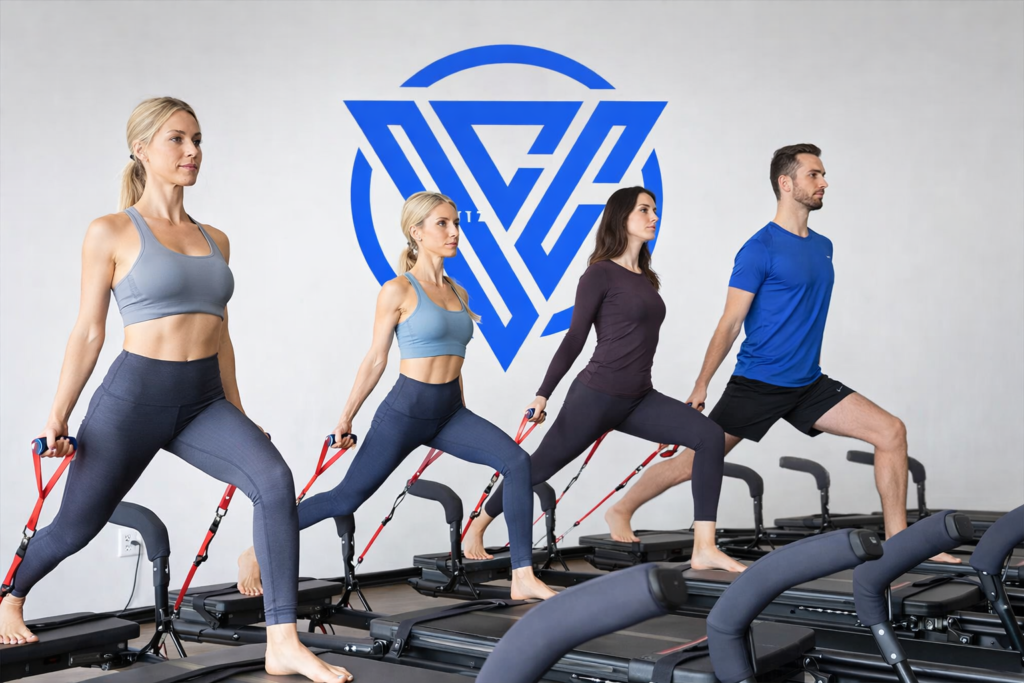
Introduction In a fitness market that changes fast, las vegas pilates classes have become a strong answer for people who want more than a quick sweat session. The demand has shifted from random intensity to structured movement, better control, and training that fits real life. That shift is not accidental. It reflects a larger change in how people think about strength, recovery, posture, and long-term performance. The appeal is easy to understand. Many people are no longer satisfied with workouts that leave them exhausted but not better. They want sessions that improve how the body moves, how the core supports daily activity, and how progress feels over time. That is exactly where las vegas pilates classes stand out, especially for people who want consistency, guided technique, and measurable improvement without unnecessary strain. Why the Fitness Mindset Has Changed For years, fitness was often measured by how hard a workout felt. That idea is now being replaced by a more practical standard: how well the training supports the body outside the studio. People want mobility that helps with work, strength that supports posture, and endurance that does not break them down. In that context, las vegas pilates classes feel less like a trend and more like a smarter model for modern training. A major reason for this change is that people are busier, more screen-focused, and more aware of body tension than before. Sitting for long hours, poor posture, and repeated movement patterns create a need for training that restores balance. Fitness is no longer only about intensity; it is about quality. That is why people choose this Pilates format when they want structure without stress, and that is also why las vegas pilates classes are drawing attention from both beginners and experienced clients. For many local clients, las vegas pilates classes are easier to commit to because the structure feels practical and the progress is easier to track. Another shift is the rise of training that feels more personal. People do not want generic programs that ignore mobility limits, desk-related stiffness, or recovery needs. They want movement that feels intelligent. In many cases, Pilates classes answer that need better than programs built only around speed or load. What is the real difference? It is simple: better movement quality creates better training outcomes. What makes progress feel real? Consistent movement, better alignment, and fewer breakdowns in form. That style of communication also reflects why Pilates works so well for today’s audience. How Pilates Fits Modern Training Goals The most important advantage of Pilates is that it trains the body with purpose. Instead of chasing fatigue, it encourages control, stability, and precise muscle activation. That matters because people want results they can feel and sustain. las vegas pilates classes make this possible by focusing on alignment, breath, and deep core support rather than random effort. A well-designed class can help improve balance, flexibility, coordination, and strength at the same time. That is useful for people who want to move better in everyday life, but it is also valuable for those who want athletic performance. In many cases, equipment-based sessions offer a more dynamic version of this approach because the machine adds resistance, support, and variety in one system. The result is training that feels challenging without becoming harsh. Why does controlled training matter? Because the body learns movement patterns through repetition. Answer: Controlled repetition improves technique and reduces wasted effort. This is one reason las vegas pilates classes are becoming part of broader fitness routines rather than a separate niche. They can support other training styles instead of competing with them. When the body is more stable and mobile, strength work often becomes cleaner, safer, and more effective. That is especially important for people who have tried intense plans before and realized that intensity alone does not always create progress. Another benefit is that the experience scales well. A beginner can learn the basics without being pushed too quickly, while a more advanced client can still find challenge through tempo, precision, and resistance. This makes Pilates useful across age groups and training backgrounds, which is one reason it has become more visible in local fitness conversations. What makes the format effective? The value here is not just in one session. It comes from consistent practice, which is why many people keep returning to las vegas pilates classes after trying other methods that felt too aggressive or too repetitive. Why Reformer-Based Training Is Gaining Attention Many people first discover Pilates through mat work, but reformer-based training often becomes the turning point. The machine gives resistance and support in a way that makes movement both accessible and challenging. This is where reformer pilates las vegas earns attention: it gives structure to the workout while still allowing a wide range of intensity. The reformer is useful because it meets different needs at the same time. Someone recovering from stiffness may use it to move safely. Someone building strength may use it to add load without harsh impact. Someone focused on performance may use it to refine movement patterns. That is a major reason reformer pilates las vegas is becoming a preferred option for people who want variety with purpose. It also helps people understand where they are strong and where they compensate. The carriage, springs, and guided resistance create feedback that is hard to ignore. That feedback is valuable because it helps the client train with more awareness, not less. In a market where many people want efficient results, that kind of precision matters. Best for which use-case? Training need Best fit Why it works Joint-friendly movement Reformer Pilates Offers support and guided resistance Balanced strength and mobility Las Vegas Pilates Classes Combines control with full-body engagement Technique refinement Reformer Pilates Makes form easier to feel and correct Everyday fitness consistency Las Vegas Pilates Classes Simple to repeat and easy to sustain This comparison shows a clear pattern. If a person wants a slower, more supportive introduction, a local studio that offers mat and
How Pilates Reformer Machines Make Workouts Safer and More Effective
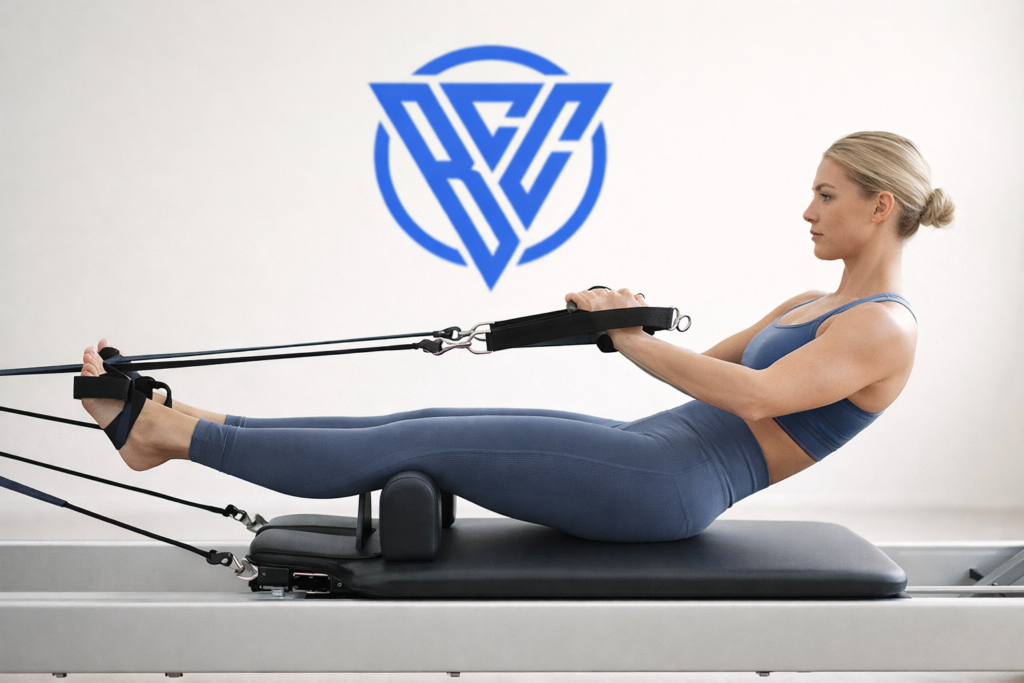
Introduction In modern fitness, people are looking for training methods that do more than burn calories. They want movement that feels controlled, efficient, and supportive of long-term progress. That is exactly where pilates reformer machines stand out. They bring structure to exercise, reduce unnecessary strain, and help people train with better alignment from the very beginning. For many users, the appeal is simple: safer movement, better body awareness, and stronger results without the harsh impact that often comes with traditional gym routines. Whether someone is new to exercise or returning after a break, pilates reformer machines for beginners can offer a practical entry point into strength, mobility, and stability work. And for those who also care about body composition, pilates reformer lose weight goals can be supported through consistent, disciplined training that is easy to maintain. Why Reformer-Based Training Feels Safer One of the biggest advantages of reformer training is the way it controls resistance. Instead of relying on momentum, the machine guides the body through a more deliberate range of motion. That creates a training environment where technique matters more than speed. In many cases, that alone lowers the risk of poor form and unnecessary joint stress. Traditional workouts often push people to lift heavier, move faster, or repeat exercises with fatigue-driven mechanics. That can work for advanced trainees, but it is not always ideal for everyone. Pilates reformer machines change the experience by offering support through springs, straps, and a sliding carriage. The resistance is adjustable, which means users can scale their workouts instead of forcing their bodies to adapt too quickly. This is especially useful for people who want a smarter start to fitness. Pilates reformer machines for beginners are designed to make movement feel accessible rather than intimidating. The machine itself encourages balance, control, and precision, which makes it easier to learn proper mechanics before intensity increases. That is an important reason so many trainers view reformer work as a safer foundation for consistent exercise. How the Machine Improves Training Quality Safety matters, but effectiveness matters just as much. A workout only becomes valuable when it produces a clear response in the body. Pilates reformer machines are effective because they combine resistance, stability, and mobility into one system. Instead of isolating a single muscle group in a narrow pattern, the body has to coordinate multiple muscles at once. That coordination is one of the reasons reformer sessions feel so efficient. The core stays active, the limbs move under control, and the stabilizing muscles are constantly engaged. Over time, this creates a cleaner movement pattern and a stronger base for everyday activity. A person does not just train harder; they train smarter. There is also a quality advantage in the way the reformer exposes weaknesses. If one side of the body is less stable or less mobile, it tends to show up quickly during the exercise. That feedback is useful because it helps users correct imbalance before it becomes a larger issue. In this sense, pilates reformer machines do not just build fitness. They refine it. Why Beginners Often Adapt Well to Reformer Work For many first-time users, the biggest challenge is not effort. It is confidence. New exercisers often worry about doing the movement wrong, overloading their joints, or keeping up with a fast-paced class. Pilates reformer machines for beginners help reduce that anxiety because the setup offers structure and guidance. The springs provide a level of support that bodyweight-only routines sometimes cannot match. The carriage movement gives clear feedback, and the straps help users learn control through a guided path. This makes the machine more approachable than it may first appear. People often realize quickly that the reformer is demanding, but not chaotic. Another reason beginners do well with this method is that it rewards patience. Progress comes from consistency, not from chasing exhaustion. That makes it easier to stay committed, which is often the real difference between short-term effort and long-term results. For that reason, pilates reformer machines for beginners are a strong option for people who want a serious workout without feeling overwhelmed. Key beginner advantages The Role of Core Control in Safety and Performance A strong core is not only about appearance. It is the center of body control, and it plays a major role in preventing poor mechanics. On reformer equipment, the core is rarely passive. Even simple movements require abdominal engagement, pelvic control, and steady breathing. That is part of why the method feels so effective. When the core works properly, the body can distribute effort more evenly. The lower back does not have to compensate as much. The shoulders can stay more organized. The hips and legs can move with better precision. This is one reason pilates reformer machines are trusted by people who want a training style that respects alignment instead of ignoring it. That same core engagement is also valuable for users who want body composition changes. A program built around consistency, control, and progressive resistance can help support pilates reformer lose weight goals in a realistic way. The key is not expecting one session to do everything. The real value comes from repeated, structured training that supports muscle use, calorie burn, and better movement habits over time. How Reformer Training Supports Weight Management There is a common assumption that only high-intensity cardio can help with weight management. In reality, sustainable results often come from a combination of consistency, muscle engagement, and recovery-friendly exercise. Pilates reformer machines fit that model well because they challenge the body without breaking it down excessively. That matters for people who struggle to stay active when workouts become too punishing. If exercise leaves someone overly sore, drained, or discouraged, consistency usually drops. Reformer training avoids that trap by offering strong work in a lower-impact format. It can be intense, but it does not have to be aggressive. For individuals aiming to pilates reformer lose weight, the most effective path is often a balanced routine. Reformer sessions can improve muscle tone, posture,
What to Wear to Pilates for Better Performance and stability
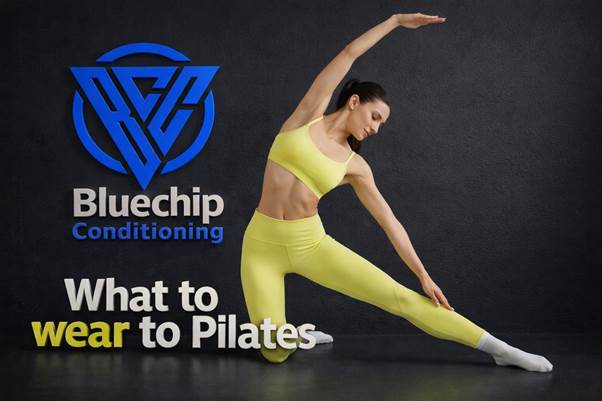
Introduction When starting your fitness journey, one of the most common questions people ask is what to wear to Pilates. While it may seem like a simple decision, the right clothing plays a crucial role in how effectively you perform each movement. Pilates focuses on controlled exercises, posture alignment, and core engagement, which means your outfit needs to support flexibility, comfort, and precision. Choosing the correct attire can significantly enhance your overall workout experience and help you achieve better results. Understanding what to wear to Pilates is especially important for beginners who want to avoid discomfort and distractions during their sessions. Unlike high-intensity gym workouts, Pilates requires smooth transitions, stretching, and balance. Wearing tight, restrictive, or overly loose clothing can limit your movement and make it difficult to maintain proper form. This is why the best pilates instructors always recommend outfits that are breathable, stretchable, and well-fitted to allow full range of motion. In professional environments such as pilates vegas studios or a pilates class las vegas, your clothing choice also contributes to how instructors assess your posture and technique. Proper attire allows trainers to observe your alignment and make necessary corrections, ensuring you perform each exercise safely and effectively. Even in premium setups like studio rental las vegas, wearing the right outfit enhances both comfort and confidence. Ultimately, knowing what to wear to Pilates is not just about appearance it directly impacts your performance, safety, and results. Whether your goal is fat loss, building lean muscle, or improving flexibility, the right clothing will help you stay focused, move freely, and get the most out of every Pilates session. Why Choosing the Right Pilates Outfit Matters Before diving into specifics, let’s understand why what to wear to Pilates is so important. 1. Improves Movement & Flexibility Pilates involves stretching, bending, and controlled motion. Tight or restrictive clothing can limit your range of motion. 2. Helps Maintain Proper Form Form is everything in Pilates. The best pilates instructors always emphasize wearing fitted clothes so they can observe posture and alignment. 3. Prevents Discomfort & Injury Loose or inappropriate clothing can shift, bunch up, or even cause slips, especially during mat exercises. 4. Boosts Confidence When you feel comfortable, you perform better. The right outfit can increase focus and motivation. What to Wear to Pilates: Complete Outfit Breakdown Let’s break down what to wear to Pilates step-by-step so you can build the perfect workout outfit. 1. Bottom Wear: The Foundation of Your Outfit Bottom wear is one of the most important parts of your Pilates outfit because it directly affects your comfort, flexibility, and movement control during exercises. Since Pilates involves stretching, bending, and core-focused movements (based on the method developed by Joseph Pilates), the right bottoms help you move smoothly and maintain proper form. What to Wear (Best Options) 1. Leggings / Yoga Pants Ideal for both beginners and advanced users 2. Fitted Joggers Best for casual or home workouts 3. Capris (3/4 Length Pants) Great for flexibility and ventilation Why Bottom Wear Matters What to Wear to Pilates for Different Goals: what to wear to pilates Fat Loss, Strength & Flexibility When deciding what to wear to Pilates, it’s important to understand that your fitness goals can influence your clothing choices. While the basics remain the same, slight variations in your outfit can help improve performance depending on whether your focus is fat loss, building lean muscle, or improving flexibility. For individuals aiming for fat loss, choosing sweat-friendly and breathable clothing is essential. During intense Pilates sessions, your body temperature rises, and wearing moisture-wicking fabrics helps regulate sweat and keeps you comfortable. This is why understanding what to wear to Pilates becomes crucial for maintaining consistency in your workouts. Lightweight leggings paired with a fitted top allow your body to move freely while keeping distractions to a minimum. If your goal is to build lean muscle, your clothing should allow clear visibility of muscle engagement. Fitted outfits help you observe how your muscles contract and stretch during each movement. This is another reason why experts emphasize what to wear to Pilates as a key factor in improving workout efficiency. Compression-style leggings and supportive tops are ideal because they provide both comfort and stability. For those focusing on flexibility and mobility, the priority should be unrestricted movement. Stretchable fabrics that move with your body are the best choice. When selecting what to wear to Pilates, always check if your clothing allows deep stretches, lunges, and controlled movements without resistance. Soft, elastic materials enhance your ability to perform exercises with proper form. Another important factor to consider when choosing what to wear to Pilates is the type of session you are attending. Mat Pilates, which is often beginner-friendly and requires no equipment, demands simple and comfortable clothing. In this case, basic leggings and a breathable T-shirt are more than enough. Since movements are performed on the floor, avoiding zippers, buttons, or thick seams is highly recommended. On the other hand, if you are attending a studio session, your approach to what to wear to Pilates should be slightly more refined. Studio environments often focus on precision and technique, so wearing fitted and high-quality activewear becomes more important. It not only enhances your performance but also allows instructors to correct your posture effectively. Comfort should always be your top priority when deciding what to wear to Pilates. Even the most stylish outfit will not be useful if it causes discomfort during movement. Always test your clothing by stretching, bending, and moving around before your session. This simple step ensures that your outfit supports your workout instead of limiting it. Breathability is another key element that should not be ignored. When thinking about what to wear to Pilates, fabrics like cotton blends or moisture-wicking materials are ideal choices. These fabrics help keep your body cool and dry, especially during longer sessions. Avoid heavy or non-breathable materials, as they can lead to discomfort and reduced performance. In addition to functionality, confidence also plays a
Types of Pilates: The Complete Beginner’s Guide to Transform Your Body with the Right Pilates Style
Introduction If you’re new to fitness and searching for something that builds strength, improves flexibility, and helps with fat loss without overwhelming your body, understanding the types of Pilates is the perfect place to start. Pilates has quickly become one of the most effective and beginner-friendly workout methods worldwide. Whether you want to tone your body, lose fat, improve posture, or simply feel stronger, knowing the right types of Pilates can completely change your fitness journey. Unlike high-intensity workouts that often feel intimidating, Pilates focuses on controlled movements, proper breathing, and mindful strength building. This makes it ideal for beginners who want real results without injury risk. In this complete guide, you’ll learn everything about the different types of Pilates, which one is best for beginners, and how you can start your transformation today even if you have zero experience. What is Pilates and Why is It So Effective? Before diving into the types of Pilates, let’s understand what makes Pilates so powerful. Pilates is a low-impact workout system designed to strengthen your core, improve flexibility, and enhance overall body control. It was created to focus on: What makes Pilates stand out is that it targets deep muscles, not just surface-level ones. This leads to lean muscle development instead of bulky muscles. That’s why Pilates is perfect for: Why Understanding Types of Pilates Matters Not all Pilates workouts are the same. There are multiple types of Pilates, and each serves a different purpose. Choosing the wrong type can: But choosing the right type of Pilates can: 1. Mat Pilates The Best Starting Point for Beginners Mat Pilates is a form of exercise performed on a flat mat using your own body weight as resistance. It is based on the original method developed by Joseph Pilates and focuses on improving core strength, posture, flexibility, and body control. What Mat Pilates Really Means In simple terms, Mat Pilates is a floor-based workout where all movements are done lying down, sitting, or standing on a mat without large machines. Instead of heavy equipment, it relies on controlled movements, breathing, and proper alignment to strengthen the body. Key Principles of Mat Pilates Mat Pilates is built around a few core ideas: How It Works During a Mat Pilates session, you perform a series of exercises such as leg lifts, bridges, and core-focused movements. These exercises: Benefits of Mat Pilates Who Should Choose Mat Pilates Mat Pilates is ideal for: Simple Summary Mat Pilates is a low-impact, full-body workout that uses body weight and controlled movements to build strength, improve flexibility, and develop better posture without the need for machines. Best for: Beginners, home workouts, no equipment training If you’re just starting, Mat Pilates is the easiest way to explore different types of Pilates without spending money. 2. Reformer Pilates Advanced Strength and Toning Reformer Pilates is a form of Pilates performed on a specialized machine called a reformer. It builds on the method developed by Joseph Pilates and focuses on strength, control, flexibility, and precise movement, using adjustable resistance. What Reformer Pilates Really Means In simple terms, Reformer Pilates is a machine-based workout where you perform exercises on a sliding platform (carriage) attached to springs. These springs create resistance, making movements either easier or more challenging depending on the setting. Key Components of the Reformer Machine The reformer includes: Key Principles of Reformer Pilates Reformer Pilates follows the same foundational principles as Mat Pilates, but with added resistance: How It Works During a session, you perform a series of guided exercises using the reformer machine. These movements: Benefits of Reformer Pilates Who Should Choose Reformer Pilates Reformer Pilates is ideal for: Reformer Pilates Las Vegas: A Modern Approach to Strength and Precision When exploring advanced types of Pilates, Reformer Pilates Las Vegas stands out as one of the most effective and results-driven options. Unlike traditional mat-based workouts, reformer Pilates uses a specialized machine designed with springs, pulleys, and a sliding carriage to provide controlled resistance and support. This method allows beginners and experienced individuals alike to perform exercises with better alignment, improved control, and reduced strain on joints. One of the biggest advantages of reformer pilates las vegas is its ability to adapt resistance levels, making it suitable for everything from rehabilitation to strength training and lean muscle development. Professionally guided sessions ensure that each movement is performed with precision, helping you activate deeper muscle groups that are often missed in regular workouts. This leads to faster toning, improved posture, and a stronger core without the risk of overtraining. For anyone looking to upgrade from basic Pilates and experience a more structured, effective workout, reformer Pilates offers a perfect balance of strength, flexibility, and control all within a safe and supportive environment. Simple Summary Reformer Pilates is a machine-assisted, low-impact workout that uses spring resistance to strengthen muscles, improve flexibility, and enhance overall body control with greater precision. Best for: Strength training, toning, guided workouts If you want faster results and access to studios, this is one of the most effective types of Pilates. Mat Pilates vs Reformer Pilates Aspect Mat Pilates Reformer Pilates Equipment Performed on a mat using body weight Uses a reformer machine with springs, straps, and pulleys Resistance Type Body weight only Adjustable spring resistance Difficulty Level Beginner to intermediate Beginner to advanced (easier to scale) Guidance Needed Can be self-practiced at home Usually requires a trainer or studio Cost Low (minimal or no equipment) Higher (machine + studio sessions) Muscle Engagement Strong focus on core Full-body engagement with added resistance Flexibility Support Moderate Higher due to assisted movements Injury Rehab Good for general fitness Better for rehabilitation (controlled resistance) Key Difference (In Simple Terms) Which One Should You Choose? Choose Mat Pilates if: Choose Reformer Pilates if: 3. Clinical Pilates Perfect for Injury Recovery Clinical Pilates is a specialized form of Pilates designed for injury recovery, pain management, and rehabilitation. It is typically guided by trained physiotherapists and is tailored to an individual’s specific condition, such as back