Pilates Training for Elite Athlete Development & Performance
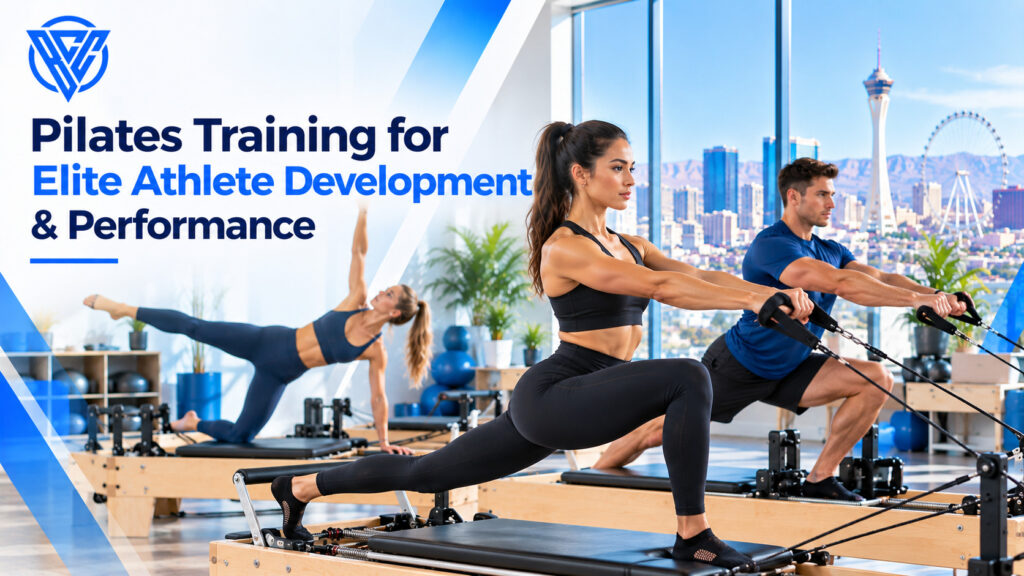
Elite athlete development depends on more than speed, strength and sport-specific skill. It also requires a body that can control force, move efficiently through its full range and stay resilient across a long season. This guide explains how Pilates supports that process, from core strength and mobility to balance and coordination, and how to combine it with an existing strength and conditioning program. Athletes across many sports now use Pilates alongside traditional training. The appeal is precision: the method targets specific muscles and movement patterns that heavy lifting and conditioning drills can overlook. How Pilates Supports Elite Athlete Development Traditional training builds capacity: strength, power and endurance. Pilates, a low-impact method built on control, alignment, breathing and precision, refines how that capacity is used. Within an elite athlete development program, Pilates usually plays three roles: Because sessions can be fully individualized, Pilates for athletes can be adapted to a sprinter, a tennis player, a golfer, a fighter or a dancer. The exercises may look similar, but the programming reflects each sport’s demands. Building Core Strength and Stability With Pilates The core is far more than the abdominal muscles you can see. It includes deep stabilizers such as the transverse abdominis, multifidus, pelvic floor and diaphragm, along with the glutes and hip muscles that stabilize the pelvis. Together, they protect the spine and transfer force between the lower and upper body. Athletic core training through Pilates focuses on control during movement rather than isolated crunches. That distinction matters, because athletes rarely need their core to flex repeatedly; they need it to resist unwanted motion while the limbs produce force. What Pilates Adds to Core Work Well-structured athletic core training carries over to landing, sprinting and change of direction. That is why core stability sits at the center of almost every elite athlete development plan. Improving Mobility, Flexibility and Movement Control Flexibility on its own is not the goal. Athletes need usable range: the strength and control to perform well at the end of a movement, not just reach it. Pilates trains muscles to lengthen under load, especially during the controlled return of the reformer carriage, which builds mobility the athlete can actually use in competition. Consider a few examples. A pitcher or tennis player depends on thoracic rotation and shoulder control. A hurdler needs hip mobility with a stable pelvis. A basketball player needs ankles and hips that absorb repeated landings. Pilates can address each of these needs within the same session structure by changing the exercise selection and emphasis. Movement control is also the foundation of effective athletic performance training. When an athlete moves with better alignment and less wasted motion, every sprint, lift and swing becomes more efficient, which supports long-term elite athlete development rather than short-term gains. Supporting Balance, Coordination and Agility Balance relies heavily on proprioception, the body’s sense of where it is in space. Pilates challenges proprioception through controlled work on a moving carriage, single-leg exercises and standing sequences that demand precise alignment. Agility is more than quick feet. Every change of direction requires an athlete to decelerate, stabilize and redirect force. Pilates strengthens the stabilizing side of that equation, which is why athletic performance Pilates is valuable for court and field sports where cutting and pivoting happen hundreds of times in a game. Coordination improves as well. Many Pilates exercises require the upper and lower body to work independently while the trunk stays stable, which mirrors the demands of throwing, striking and kicking. Using Pilates to Complement Strength and Conditioning Pilates does not replace lifting, sprinting or sport practice. It complements them. The table below shows how the two approaches differ and why they work well together. Factor Traditional Strength and Conditioning Pilates Primary focus Maximal strength, power, speed and conditioning Control, alignment, core stability and mobility Type of load Often heavy external load Body weight and spring resistance Impact level Can be high (plyometrics, sprinting) Low impact Movement emphasis Large compound patterns Precision, isolation and integration Role in the program Builds capacity Refines how capacity is used and supports recovery For scheduling, many athletes place Pilates on lighter training days, after heavy lifting sessions, or as in-season maintenance when high-volume gym work is reduced. Communication matters: elite athlete development works best when coaches, therapists and Pilates instructors share the same goals. Athletic performance training that combines both approaches tends to be more balanced than either one alone. Why Athletes Should Add Pilates to Their Training Routine Adding Pilates is a practical way to address gaps that general training can leave behind. The main advantages include: There are also mistakes to avoid. Treating Pilates as stretching alone misses most of its value. Relying only on generic group classes, without sport context, limits the carryover. And inconsistent attendance makes progress hard to measure. Pilates for athletes delivers the most when it is programmed, progressive and tied to clear goals, which is exactly what athletic performance Pilates is designed to do. How Blue Chip Conditioning Supports Athletic Performance Blue Chip Conditioning in Las Vegas offers a dedicated elite athlete development training program for both established and aspiring athletes. Each program is customized to the athlete’s sport, body and goals, with the aim of helping clients jump higher, run faster and throw farther through precise, targeted conditioning. The studio also believes athletic training should accompany physical therapy, and it uses low-impact Pilates conditioning to keep the rest of the body active, strong and mobile while an injury heals. Its founder, Danielle Maas, is a former Nevada Ballet Theatre dancer, and the studio also runs a specialized Pilates for dancers program. Athletes typically train through private sessions or semi-private sessions, which allow individualized athletic core training and athletic performance Pilates with hands-on coaching from the instructor team. New clients can start with a complimentary 30-minute demo or a $99 new-client special that includes two semi-private sessions and two group classes, making it simple to test how Pilates fits into an elite athlete development plan. What Athletes Should Not
Elite Athlete Development: Build Strength, Speed & Performance
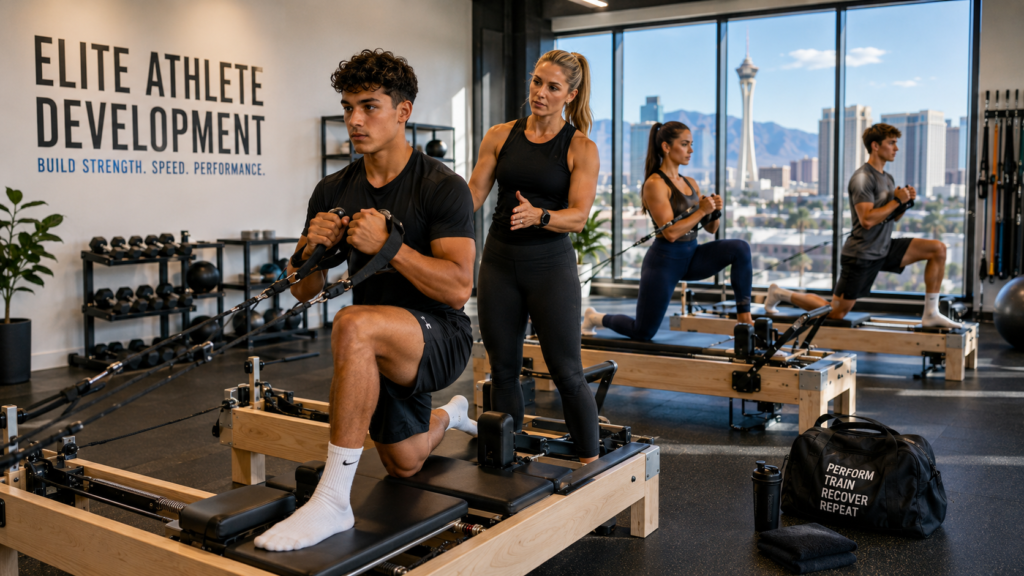
Most serious competitors hit the same wall at some point. The lifts keep climbing, the training hours keep stacking up, and yet sprint times flatten out and the same hamstring keeps complaining every pre-season. That plateau is rarely a motivation problem. It is almost always a structural one, and closing it is precisely the job of a properly built elite athlete development program. Strength, speed and performance are not three separate projects to be chased in isolation. They are outputs of the same system, and when one of them stalls, the cause is usually hiding somewhere the athlete has not been looking. At Bluechip Conditioning we have spent years working with competitors at every level, from high school prospects to professionals with contracts on the line. The pattern repeats itself often enough to be predictable. The athlete is strong. The athlete works hard. And the athlete is compensating for something a hip that will not extend, a shoulder that rotates unevenly, a core that switches on half a beat too late. Elite athlete development, done properly, finds those gaps and closes them before they turn into a season-ending problem. What Elite Athlete Development Actually Means The phrase gets used loosely. Plenty of gyms advertise elite athlete development and deliver a slightly harder version of a general fitness class. That is not the same thing. A genuine program starts with assessment, not exercise. Before an athlete touches a piece of equipment, we want to know how they move: where range of motion is limited, which side dominates, how the pelvis behaves under load, whether breathing mechanics are supporting or sabotaging trunk stability. Only then does programming begin, and the programming is built backwards from the demands of the sport rather than forwards from a generic template. A pitcher and a point guard both need rotational power, but they express it through entirely different chains. A dancer and a tennis player both need single-leg control, but the loading patterns look nothing alike. Elite athlete development respects those differences. Every session an athlete spends on work that does not transfer to their sport is a session spent on something else that would have. The Difference Between Working Hard and Working Precisely Volume is easy to add and difficult to recover from. Precision is harder to program and far more productive. When an athlete trains a compensation pattern for months, they do not eliminate it they reinforce it under heavier and heavier load. The strongest version of a faulty pattern is still a faulty pattern, and it usually fails at the worst possible moment. The Three Pillars: Strength, Speed and Durability Strength That Actually Transfers Absolute strength matters, but transferable strength matters more. An athlete who can back squat impressive numbers and still collapses inward on a single-leg landing has strength that does not show up when it counts. Sport happens on one leg, off balance, in rotation, and under fatigue. Training should reflect that reality. Reformer and apparatus-based work is unusually good at this because resistance is applied through springs rather than gravity alone. Load can be adjusted in tiny increments, angles can be changed instantly, and the athlete has to control both the concentric and the eccentric phase of every repetition. That eccentric control is where a great deal of injury resistance lives. Speed as a Trainable Skill Speed is often treated as something an athlete either has or does not have. In practice, most athletes are leaking speed rather than lacking it. Restricted hip extension shortens stride. A stiff thoracic spine limits arm drive. Poor pelvic control means force applied to the ground scatters sideways instead of driving the body forward. Restore the range and the control, and speed frequently improves without a single additional sprint session. That is one of the quieter wins in elite athlete development work, and it is a consistent one. Durability and Availability The most underrated athletic quality is availability. An athlete who plays thirty games is worth more than an equally talented athlete who plays eighteen. Durability comes from balanced development — symmetrical strength, adequate range of motion, connective tissue that has been progressively loaded rather than suddenly shocked, and a nervous system that is not permanently running at maximum. Why Pilates-Based Training Belongs in Elite Athlete Development Top-level athletes across professional sport have adopted apparatus-based conditioning for reasons that have nothing to do with trends. The method offers a set of advantages that traditional strength work struggles to match: Working with a well-equipped pilates studio Las Vegas athletes actually trust gives access to reformers, towers, chairs and barrels a far broader toolkit than a mat and a set of bands. Conventional Strength Work vs. Pilates-Based Athletic Conditioning Neither approach replaces the other. The point is understanding what each one does well so the two can be sequenced intelligently across a training year. Training Variable Conventional Strength Training Pilates-Based Conditioning Primary quality developed Maximal force production Control, stability and force absorption Joint impact Moderate to high Low Load adjustment Fixed increments (plates) Continuous (spring tension) Imbalance detection Often masked by bilateral lifts Exposed immediately Recovery cost High Low to moderate In-season suitability Requires careful volume management Well suited to weekly use Rehabilitation value Limited during acute phases High throughout the process What a Structured Program Looks Like Across a Season A serious elite athlete development plan is periodised, not improvised. The emphasis shifts as the competitive calendar moves. Athletes who skip the off-season assessment phase almost always pay for it later in the year. The work is not glamorous, but it is the foundation everything else stands on. Measuring Progress Honestly Feeling better is not the same as measurably improving. Objective markers keep programming accountable. The metrics below represent the kind of tracking used in a well-run elite athlete development programme. Assessment What It Measures Typical Review Interval Single-leg squat quality Frontal-plane control and hip strength Every 6 weeks Active straight-leg raise Posterior chain range of motion Every 4 weeks Thoracic rotation range Available
How Elite Athlete Development Programs Improve Strength, Speed and Performance
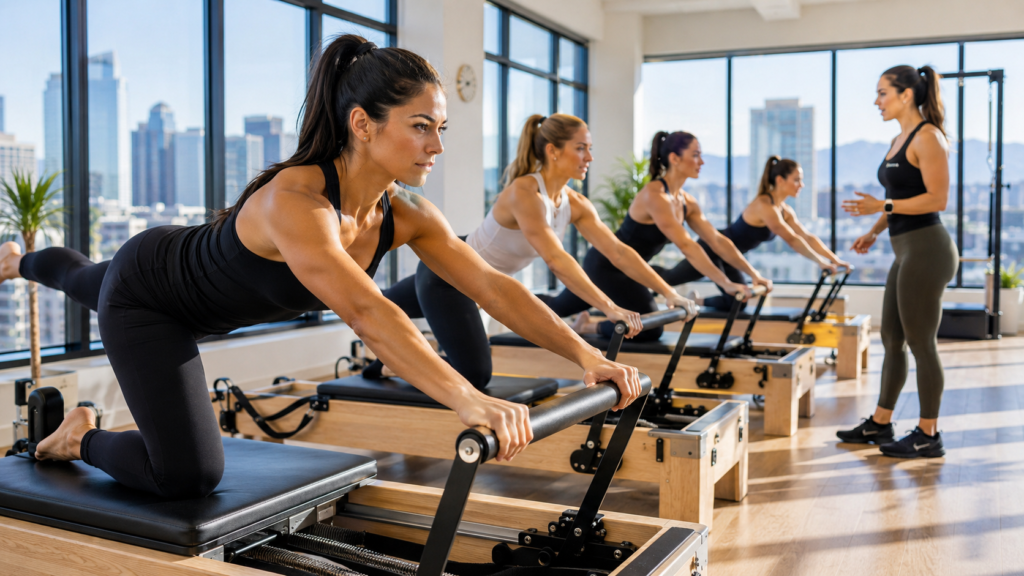
Every serious competitor eventually hits the same wall. The lifts go up, the conditioning work gets harder, the hours in the gym increase and the on-field result stops improving. That plateau is rarely a work-rate problem. It is almost always a structural one, and it is exactly the gap that a properly built elite athlete development program is designed to close. Rather than adding more volume to a body that is already compensating, elite athlete development works on how force is produced, controlled and transferred through the kinetic chain. At Blue Chip Conditioning in Las Vegas, that work is built on Pilates-based conditioning a method that has quietly become a staple in professional locker rooms because it addresses the qualities that barbell work alone cannot reach. This article explains what an elite athlete development program actually does, why it produces measurable gains in strength and speed, and how to judge whether a program is worth your training hours.What Elite Athlete Development Actually Means Before examining the training itself, it helps to define the term precisely, because elite athlete development is used to describe two very different things. The phrase gets used loosely. Most facilities marketing elite athlete development are describing speed ladders, psychometric boxes and a strength template applied to everyone who walks in. That is general athletic training. It has value, but it is not individualized development. Genuine elite athlete development begins with assessment rather than programming. Before a single set is prescribed, a coach needs to know how your hips rotate, whether your left side produces force like your right, where your thoracic spine has stopped moving, and how your body organizes itself under fatigue. The program is then written to those findings. This distinction matters commercially as well as physically. A generic program can be sold to a hundred athletes. A real elite athlete development program can only be built for one, because the limiting factor is different in every body. The Three Qualities Elite Athlete Development Targets First Strength numbers are the easiest thing to measure and the least predictive of performance on their own. Elite athlete development therefore concentrates on three less obvious qualities that do most of the work. Elite athlete development programs are built around these three qualities because improving them raises the ceiling on everything else. An athlete who transfers force efficiently gets faster without adding a kilogram to their squat. Why Pilates-Based Conditioning Belongs in Elite Athlete Development This is where our approach departs from a conventional performance gym. Within elite athlete development, reformer-based work is not a soft alternative to strength training it is a precision tool that solves problems weight training cannot. Controlled Eccentric Loading The spring resistance on a reformer loads muscle through the lengthening phase in a way that is smooth, adjustable and safe to repeat. That is the exact quality needed for deceleration training, and it can be trained at high volume without the joint stress of repeated psychometric landings. Position Under Load A reformer removes the need to stabilize against gravity in a standing position, which lets an athlete hold a demanding position while a coach corrects it. Faults that disappear the moment an athlete stands up under a bar remain visible and correctable on the equipment. Breath and intro-abdominal Pressure Bracing mechanics govern how much force actually reaches the ground. Pilates conditioning trains the relationship between breath, rib position and deep abdominal engagement directly, which is why so many athletes report their heavy lifts improving after a block of reformer work they never intended as strength training. The practical outcomes athletes report most often: How a Structured Elite Athlete Development Program Is Built A credible elite athlete development pathway follows a sequence. Skipping a stage is the most common reason athletes see no return on their investment. Stage One: Assessment and Movement Screening Range of motion, single-leg control, rotational capacity, breathing pattern and asymmetry are documented. Sport demands are mapped against what the body can currently produce. This produces a baseline you can measure against later. Stage Two: Correction and Foundation The limiting factors identified in assessment are addressed before load is added. This stage frustrates competitive athletes because it feels slow, but loading a dysfunctional pattern only makes the pattern stronger. Stage Three: Loaded Development and Sport Transfer Once positions are reliable, resistance increases and movements are shaped toward the demands of the sport rotational power for golf and tennis, unilateral drive for running sports, overhead stability for swimmers and volleyball players. Stage Four: Maintenance Through the Season In-season work protects what was built. Volume drops, precision stays. This is the phase most athletes abandon, and it is why gains made in the off-season so often disappear by mid-season. Comparing Training Approaches Within Elite Athlete Development Approach Primary Strength Main Limitation Best Used For Traditional strength & conditioning Maximal force production Bilateral bias, limited eccentric control Off-season strength blocks Speed and agility training Acceleration and footwork mechanics Assumes underlying stability exists Pre-season sharpening Physical therapy Resolving diagnosed injury Ends at discharge, not performance Acute injury recovery Pilates-based conditioning Force transfer, deceleration, symmetry Not a substitute for maximal loading Year-round, alongside strength work The strongest results come from combining approaches rather than choosing between them. Pilates conditioning is most valuable as the layer that makes the other work transfer, which is why our programs sit alongside an athlete’s existing strength routine rather than replacing it. Choosing a Format: Private, Semi-Private or Small Group Format affects the outcome of elite athlete development more than most athletes expect, because coaching attention is the variable that determines whether a correction actually happens. Sport-Specific Applications of Elite Athlete Development The principles of elite athlete development stay constant; the application changes considerably by discipline. Golf and tennis depend on separating hip rotation from thoracic rotation. Athletes who rotate through the lumbar spine instead lose club head or racquetball speed and accumulate lower-back damage. Rotational work on the reformer trains that separation directly. Running and field sports are governed
What Really Happens Inside an Elite Athlete Development Session
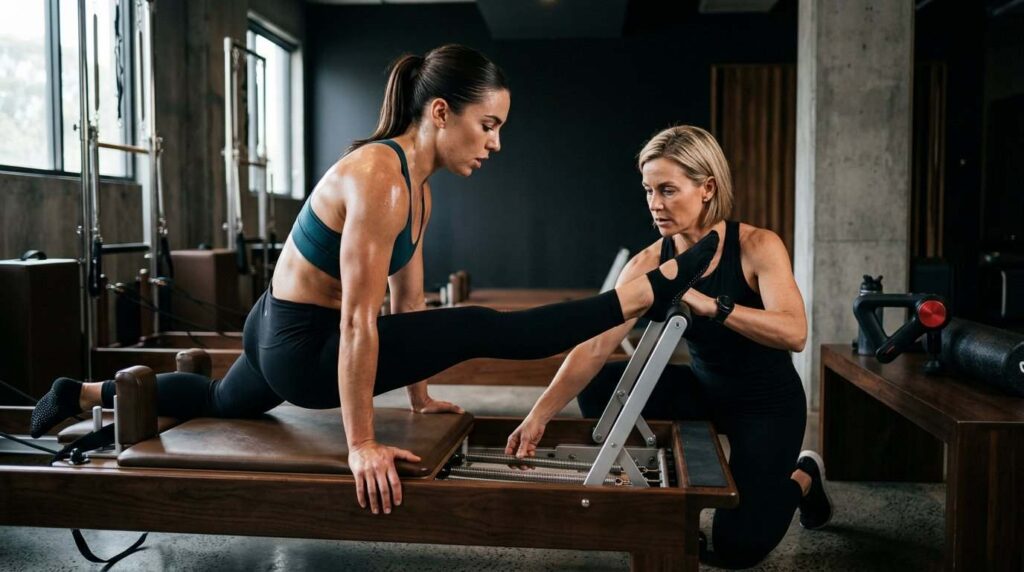
Most people picture athlete training as grunting, heavy weights, and loud music. A real Elite Athlete Development session looks nothing like that. It’s quiet, precise, and personal. So here’s the whole thing, start to finish, with no jargon – exactly what an athlete moves through when they train the smart way. The goal isn’t to exhaust you. The goal is to make your body work better for your sport. That means less wasted motion, more usable power, and fewer injuries down the line. At Blue Chip Conditioning, these sessions blend Pilates precision with sport-specific strength. As a pilates reformer studio Las Vegas athletes rely on, every hour is built around one athlete’s real needs that day. Let’s walk through it. Quick answer An Elite Athlete Development session is a personalized reformer-based workout that improves sport-specific strength, mobility, and control. A coach reads your body that day, adjusts spring resistance and exercises in real time, and finishes with recovery tools – all mapped to a longer performance plan. Before the Session Starts: The Check-In That Shapes Everything Nothing begins until the coach knows how you feel. This check-in isn’t small talk. It’s the most important part of the hour, because it decides how hard you’ll push and where. How Instructors Read Your Body That Day A skilled coach reads more than your words. They watch how you walk in. They notice tight shoulders, a guarded hip, or a heavy step. Then they ask direct questions. How did you sleep? Any lingering soreness? Any pain from your last game? Those answers shape the plan on the spot. So no two sessions look the same, even for the same athlete. This matters because athletes often push through warning signs. They’re wired to ignore pain. A good coach catches what the athlete tries to hide. Maybe the left knee is stiffer today. Maybe last night’s game left the hips locked. Once the coach spots it, they route the session around it. So a small problem stays small instead of turning into a torn something. Adjusting the Plan for Fatigue, Soreness, or an Upcoming Competition Timing matters as much as effort. If a big competition sits three days away, the coach pulls back load and sharpens movement instead. If you’re fresh and rested, they push. And if you’re beat up from a hard week, the session shifts toward mobility and recovery. This is where a real coach earns their keep. They train the athlete in front of them, not a plan on paper. This flexibility protects performance. A tired athlete who trains hard anyway often shows up flat on game day. So a smart coach trades one hard session for a lighter, sharper one when the schedule demands it. That’s not going easy. It’s timing effort so the athlete peaks when it counts. Knowing when to hold back is just as skilled as knowing when to push. The Warm-Up: Waking Up the Muscles Sport Has Turned Off Sports create imbalances. They overwork some muscles and quietly shut others down. The warm-up fixes that before real work begins. Why Athlete Warm-Ups Look Different From a Standard Class A general class warms the whole body evenly. An athlete warm-up is targeted. For a runner, the coach might wake up sleepy glutes and deep core. For a thrower, they’ll open the shoulder and fire the mid-back. The reformer helps here, because its springs let the coach isolate one weak link at a time. So by the time the main work starts, the right muscles are already online. Here’s why that order matters. If a weak muscle stays asleep, a stronger one takes over its job. Over months, that swap creates imbalances and injuries. The warm-up flips those sleepy muscles back on first. So the athlete trains the pattern they actually want, not the compensation their body defaulted to. It’s slow, unglamorous work. But at Blue Chip Conditioning, it’s non-negotiable, because it prevents the injuries that end seasons. The Core Work: Sport-Specific Training on the Reformer Now the real session begins. This is where a pilates reformer studio Las Vegas athletes trust does its best work. Every exercise ties back to how you actually move in your sport. General fitness builds a body that looks strong. Sport-specific work builds a body that performs. Those are not the same goal. So instead of chasing a burn or a pump, the coach hunts for the exact movements that make you faster, more stable, or more powerful in competition. Every rep has a job. Nothing is filler. That focus is what turns training time into an edge on game day. How Spring Resistance and Exercises Are Chosen Per Athlete The springs are the secret. Lighter springs demand more control and challenge stability. Heavier springs build raw strength through a full range. A coach picks the setting for the goal, not for ego. Then they choose movements that copy your sport’s demands. So the load, the angle, and the tempo all serve one purpose: better performance where it counts. This is very different from a fixed weight machine. A dumbbell only loads you at the bottom of a lift. The reformer’s springs can load the whole path of a movement, which matches how athletes actually generate power. So the coach can train a golf backswing or a sprint push through its full range. That specificity is why the reformer earns its spot in serious training. A Golfer’s Session vs. a Sprinter’s Session Compare two athletes to see how far this goes. A golfer needs rotational power and a stable spine, so the coach loads controlled twists and single-side work. A sprinter needs explosive hip drive and a rigid core, so the session leans into powerful pushing patterns and anti-rotation holds. Same machine, same coach – two completely different hours. That’s the whole point of personalization. Even the tempo changes between them. The golfer might train slow, controlled rotations to groove a stable swing. The sprinter might train fast, snappy drives to build
How Elite Athlete Development Builds Stronger, Faster, Injury-Resistant Athletes
Elite athlete development is no longer just about lifting heavier weights or running faster intervals. It is about building a body that can produce force, absorb stress, recover quickly, and stay dependable across a full season of training and competition. For athletes who want more than short bursts of performance, this approach creates a foundation that supports speed, power, mobility, and resilience together. The best programs do not chase one quality at the expense of another. They connect strength, movement efficiency, recovery, and sport-specific preparation in a way that makes progress more sustainable. That is why elite athlete development has become a serious advantage for coaches, parents, and athletes who want measurable performance without paying for it through avoidable injuries. What elite athlete development actually means This training model is a structured performance system built around the real demands of sport. It is not a random mix of workouts. It is a process that strengthens the muscles, joints, connective tissue, nervous system, and movement patterns that athletes use under pressure. The goal is simple: raise performance while lowering breakdown. A strong program usually starts with assessment. That may include movement screening, strength testing, mobility checks, landing mechanics, sprint mechanics, or position-specific needs. From there, training becomes more intentional. A sprinter does not need the same workload as a soccer player. A youth athlete does not need the same volume as a college competitor. The best plans reflect that reality. At its core, the model is about preparing the body to do three things well: generate force, transfer force, and repeat that process without losing quality. That is where many traditional fitness plans fall short. They may improve general conditioning, but they rarely build the exact movement efficiency and durability that sport demands. Is this approach only for professional athletes?No. It is useful for young athletes, high school competitors, college players, and adults who train at a serious level. Why stronger does not always mean better Many athletes think the path to better performance is always more intensity. In practice, that can create the opposite result. More intensity without structure often leads to stiffness, fatigue, and poor movement quality. That is where the real value of this method shows up. It balances stress and adaptation instead of stacking hard sessions until the body starts resisting progress. The goal is not to make athletes tired. The goal is to make them capable. Stronger athletes usually move with better control, more stability through the trunk and hips, and more efficient force production in the lower body. Faster athletes usually do not just have powerful legs; they also have better mechanics, cleaner timing, and a body that can keep position at speed. Injury-resistant athletes are rarely the ones who train the hardest every day. They are usually the ones who train with the most precision. Problem → Solution:When athletes only train for output, they often lose mobility and movement quality. The solution is to combine strength work with controlled mobility, landing practice, deceleration work, and recovery-based training that protects performance over time. The performance pillars that matter most A credible program usually stands on several pillars that work together instead of competing with each other. These are not trendy ideas. They are the basics that experienced coaches keep returning to because they produce reliable results. 1. Strength that transfers to sport General strength is useful, but transferable strength matters more. Athletes need force that can be used while moving, cutting, jumping, changing direction, and absorbing contact. This is why split squats, hinges, carries, sled work, and rotational training matter so much. They train the body to stay organized while producing power. Strength also helps protect joints. When the hips, trunk, and legs are able to share load well, the body does not dump stress into one weak area. Over time, that can reduce wear on the knees, hamstrings, ankles, and lower back. It is one reason the best programs are often built around compound movements rather than isolated effort alone. 2. Speed with control In elite athlete development, speed is not only about moving quickly in a straight line. It includes acceleration, deceleration, body position, rhythm, and direction change. A fast athlete who cannot stop or redirect well is still vulnerable. True speed training improves mechanics first, then layers on intensity. This is where quality coaching matters. Good technical work teaches the athlete how to project force into the ground, keep posture under load, and maintain alignment when fatigue rises. That attention to detail creates a much stronger base for game speed. 3. Mobility that supports output Mobility is often misunderstood. It is not about being loose for the sake of it. It is about having usable range of motion where the sport requires it. Hips, ankles, thoracic spine, and shoulders must all contribute to clean movement. Without that range, power leaks into compensations. Athletes who build mobility the right way usually move with less strain and better control. That is one reason many programs pair strength development with movement work that reinforces position, not just flexibility. 4. Recovery that protects adaptation In elite athlete development, recovery is not a luxury. It is part of training. Sleep, hydration, tissue work, breathing, downregulation, and intelligent session design all affect whether the body actually adapts. A poorly recovered athlete may still sweat through a workout, but the session often produces less benefit and more hidden fatigue. Simple recovery habits can have a large effect over a full training cycle. More consistent sleep can improve reaction time, decision-making, and tissue repair. Better nutrition can support output and reduce breakdown. Recovery is where training becomes usable. How elite athlete development reduces injury risk Injury prevention is not about promising that nothing will ever happen. That is unrealistic in sport. It is about lowering exposure to avoidable risk and improving the body’s ability to tolerate repeated demands. When people talk about injury-resistant athletes, they usually mean athletes who can absorb stress, recover, and keep performing without constant setbacks.
Why Elite Athlete Development Improves Both Physical and Mental Strength
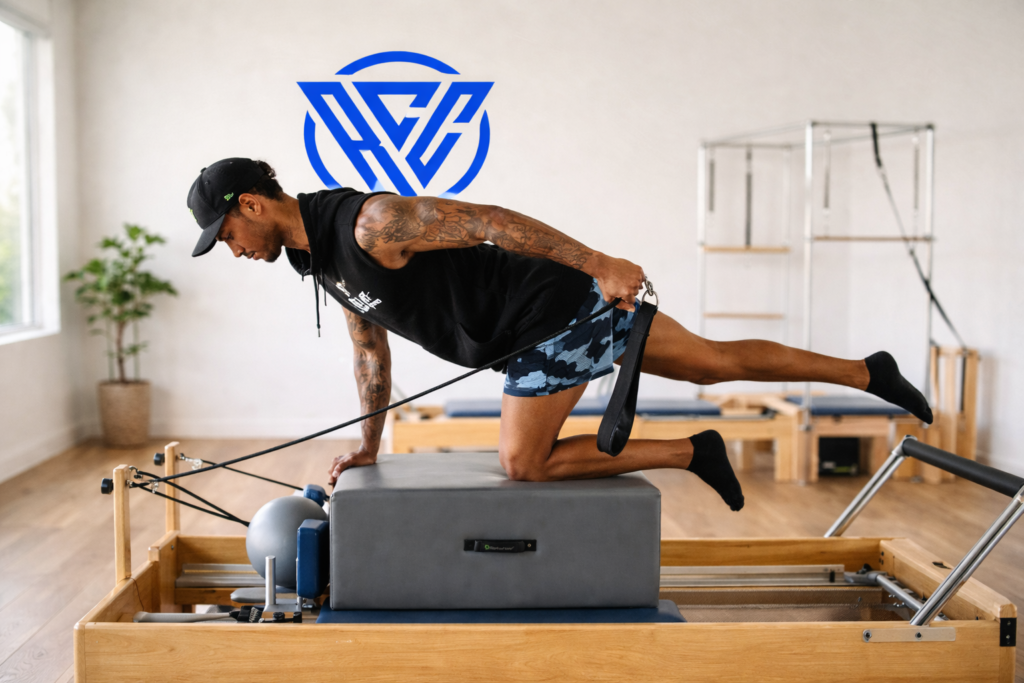
Introduction Elite athlete development improves performance because it is not limited to fitness alone. It connects physical preparation, movement quality, discipline, recovery, and focus into one system. Athletes who train in this way usually become more reliable under pressure, more efficient in motion, and more stable in competition. The result is not only a stronger body, but also a stronger mind.A Better Physical Base Creates Better Performance The first benefit of elite athlete development is physical. Athletes need force, stability, and coordination before they can perform at a high level. A body that moves well can produce more power with less wasted effort. That matters in every sport, from sprinting to field play to court movement. When the physical base is built properly, athletes gain more than muscle. They gain better alignment, stronger joints, improved mobility, and a cleaner movement pattern under fatigue. This is one reason elite athlete development is so effective. It does not chase random effort. It creates usable strength that matches real athletic demand. Physical progress also gives athletes more confidence. When they can accelerate harder, land better, cut faster, or recover quicker between efforts, they start competing with more certainty. That confidence is not emotional guesswork. It is a result of preparation. How Training Builds Mental Strength Mental strength is not just personality. It is a trained response. elite athlete development teaches that response by placing the athlete in a structured environment where effort, repetition, and attention matter every day. Over time, the athlete learns how to handle discomfort without losing focus. This is important because competition rarely stays comfortable. The athlete may get tired, make mistakes, or face pressure that changes the rhythm of the game. A good training system prepares them for that reality. It teaches them how to stay calm, follow the plan, and keep the next play in mind rather than getting trapped by one bad moment. Discipline is a major part of this process. Athletes who show up consistently, even when motivation is low, begin to build a strong mental habit. They learn that preparation matters more than mood. That lesson is one of the quiet strengths of elite athlete development. Mental gains that show up in competition These gains often matter as much as physical talent. Two athletes may look similar on paper, but the one with better mental control usually performs better when the pressure rises. Why Physical and Mental Strength Must Grow Together The best results happen when physical and mental development are trained together. A stronger body can support a calmer mind, and a stronger mind can protect physical output under pressure. That connection is one of the main reasons elite athlete development stands out from ordinary workout routines. If an athlete only gets stronger but never learns how to manage stress, they may still break down when the game becomes chaotic. If an athlete only works on mindset but lacks a strong physical base, they may not be able to express their skills consistently. Real performance needs both sides working at the same time. A complete program also creates better trust. When athletes know that every session has a purpose, they stop guessing and start committing. That trust reduces hesitation and improves the quality of effort. It also makes the whole process easier to sustain over time. This is where bluechip conditioning becomes useful. A serious training environment should not depend on hype. It should give athletes a system that feels clear, controlled, and practical. That is the kind of structure that supports both confidence and performance. Recovery Is Part of Strength Recovery is often treated like a separate issue, but in reality it is part of performance. elite athlete development depends on recovery because training only works when the body has time to adapt. Without that adaptation, the athlete may become tired, sloppy, or mentally flat. Recovery includes sleep, nutrition, hydration, and smart workload planning, but it also includes mental recovery. Athletes need time to reset their attention, lower stress, and return to training with a clear mind. When that does not happen, even high-quality training can lose effectiveness. Control matters here as well. An athlete who knows how to regulate effort, breathing, and tempo is usually better prepared for long-term progress. They do not waste energy early. They stay more efficient late in the session. They also handle competition stress with more stability. Recovery supports performance by This is one of the reasons elite athlete development is more sustainable than a purely intensity-based approach. It creates performance that can repeat, not just performance that flashes for a moment. Precision Training Improves Body Awareness One of the less discussed advantages of elite athlete development is body awareness. Athletes need to know where their body is in space, how their joints are moving, and how to control posture when the pace changes. Without that awareness, they may be strong but still inefficient. Controlled movement work helps build this quality. A pilates studio las vegas style of training can be valuable here because it emphasizes alignment, balance, and controlled execution. Those are useful traits for athletes who need to move with more clarity and less compensation. Body awareness improves performance in simple but important ways. It helps athletes land more safely. It helps them turn more efficiently. It helps them transfer force without wasting motion. It also supports injury prevention because the athlete is more likely to notice poor mechanics before they become a real problem. That is why elite athlete development should not be reduced to lifting and conditioning alone. Movement precision is part of the system. The athlete who can control their body well usually has more usable strength than the athlete who only knows how to push harder. Personalization Makes the Process More Effective No two athletes need the same program. Age, sport, competitive level, current fitness, and training history all shape the right approach. elite athlete development becomes much more effective when those differences are respected. A younger athlete may need
Thinking About Pilates? Start Your Fitness Journey with Best Pilates Instructors
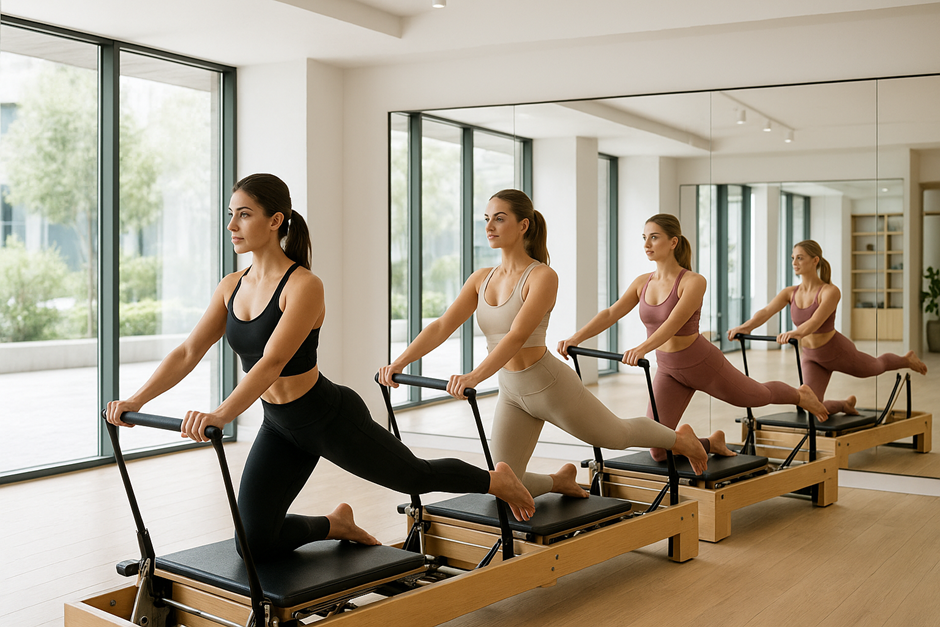
Introduction You’re not the only person thinking about Pilates as your new fitness regimen. Pilates is becoming more and more popular because of its potent blend of mental clarity, strength, and flexibility. The important thing is that you begin your journey with the top Pilates instructors. Your relationship with this life-changing practice can be made or broken by the advice you get in those initial sessions. You’ll learn how to move correctly, prevent injuries, and feel more assured about your development with the help of highly skilled instructors. Choosing the best Pilates instructors ensures your Pilates journey starts on the right foot. What Is Pilates and Why Is It So Effective? The Origin and Philosophy Joseph Pilates created the Pilates exercise regimen in the early 1900s. It emphasizes breathing, alignment, and controlled motions to build balance, coordination, and core strength. Pilates prioritizes quality over quantity, in contrast to high-impact workouts. People of all ages and fitness levels can access and safely practice it thanks to its precision, flow, and control. Physical and Mental Benefits Pilates is more than just physical fitness. Along with increasing body awareness and lowering stress, it also strengthens the core, posture, and muscle tone. Better mental health can result from the meditative practice of paying attention to breath and moving mindfully. The top Pilates instructors are in great demand because of their holistic approach; they know how to modify exercises to help the body and mind. Choosing Between Mat and Reformer Pilates Understanding the Differences While Reformer Pilates uses a specialized machine with springs, ropes, and a sliding carriage, Mat Pilates uses bodyweight exercises on a mat. Each offers special advantages: Which Is Right for You? It is frequently advised that novices begin with mat Pilates in order to cultivate good form and body awareness. The top Pilates instructors, however, can help you select the best modality for your goals, fitness level, and any underlying medical conditions. Why Instructor Expertise Matters Certified vs. Non-Certified Instructors Not all certifications are created equal in the fitness industry. High-level certifications from groups such as BASI Pilates or the Pilates Method Alliance (PMA) demonstrate a thorough comprehension of anatomy, injury prevention, and movement principles. Experience in Specialized Areas Pilates instructors who specialize in different populations, such as athletes, the elderly, pregnant and postpartum clients, or people recovering from injuries, are the best. Their knowledge enables them to create lessons that are safe and challenging for every student. How the Right Instructor Transforms Your Pilates Journey Injury Prevention When performing exercises that target the spine and core, improper form can result in strain or injury. Proper alignment and cueing are ensured by knowledgeable instructors, ensuring the safety of your workouts. Faster Progression Students achieve better outcomes more quickly when they receive tailored feedback and follow structured progressions. Expert instructors know how to keep you moving forward without plateaus, whether you’re working on strength, flexibility, or postural alignment. Motivation and Accountability Sometimes a gentle prod is all we need. An informed and sympathetic teacher serves as your mentor, inspiration, and occasionally even a cheerleader. Maintaining consistency can be greatly aided by their encouragement. Qualities to Look For in the Best Pilates Instructors Empathy and Communication A great teacher starts by listening. They should be personable, perceptive, and capable of giving directions in a clear and succinct manner. Continuing Education The wellness and fitness sector is always changing. Seek out educators who maintain current knowledge, earn advanced certifications, and attend workshops on a regular basis. Studio Environment Studios that value quality over quantity are frequently home to excellent instructors. Top professionals are typically drawn to studios with smaller class sizes, a focus on safety, and hygienic, welcoming spaces. Where to Find the Best Pilates Instructors Online Research and Reviews A fast Google search or a look through social media sites can reveal information about the credibility, client satisfaction, and teaching philosophies of local educators. Studio Referrals Ask about the credentials of the instructors at respectable studios in your neighborhood. Before committing, don’t be afraid to request trial classes or attend a session. Ask the Right Questions Tailoring Your Pilates Experience to Fitness Goals For General Fitness and Health A well-rounded regimen of mat and Reformer classes is ideal if you want to increase your overall level of fitness, flexibility, and mental health. You will be led through exercises that enhance posture, balance, and full-body strength by a knowledgeable instructor. For Rehabilitation Specialized instructors who work with physical therapists can provide therapeutic routines that improve mobility and lessen pain for those recuperating from an injury or surgery. For Athletes Pilates is a popular training aid for both professional and amateur athletes. In order to improve sports performance and lower the risk of injury, the top Pilates instructors for athletes concentrate on core stability, rotational strength, and functional movement patterns. Why Blue chip Conditioning Is Becoming a Preferred Choice When looking for the best Pilates instructors, take into account websites such as Blue Chip Conditioning, which is renowned for offering a wide range of wellness services, including Pilates, athlete training, and personalized rehabilitation plans. Their teachers are qualified, skilled, and enthusiastic about helping people change. The Role of Nutrition and Lifestyle Pilates is just one component. Your overall success is influenced by stress management, a healthy diet, and getting enough sleep. To complete your wellness journey, many of the top Pilates instructors will offer basic lifestyle advice or make professional referrals. Real Stories: How Top Instructors Make a Difference Case Study 1: From Injury to Strength Under the supervision of a skilled instructor, a client recuperating from a serious knee injury turned to Pilates. They experienced less pain, regained full mobility, and gained the confidence to resume their favorite sports in a matter of months. Case Study 2: Mental Health Transformation Another student who was experiencing anxiety discovered that Pilates offered both emotional stability and physical relief. A key component of their mental health regimen was the sense of security and predictability that the
Reformer or Mat: Which One Is Better for Your First Pilates Classes?

Introduction Pilates classes can be a life-changing way to begin your fitness journey. Pilates provides a thoughtful approach to strength and flexibility with its emphasis on alignment, breath control, and controlled movement. But novices frequently face a critical dilemma: should you begin with reformer Pilates or mat Pilates? Knowing the differences between the various approaches can help you choose the one that best suits your comfort level, fitness level, and personal objectives. We’ll go into great detail about both reformer and mat Pilates class formats in this post to help you choose the one that will work best for your first Pilates session. Understanding Pilates and Its Benefits What Is Pilates? Joseph Pilates created the low-impact Pilates exercise program, which emphasizes flexibility, core strength, and general body awareness. A standard Pilates class consists of a number of exercises intended to enhance muscular balance, posture, and coordination. The Benefits of Pilates for Beginners Whether on a mat or a Reformer machine, Pilates offers numerous benefits for newcomers: Reformer Pilates Explained What Is a Reformer? The Reformer is an apparatus that has ropes, pulleys, resistance springs, and a sliding carriage. It can be adjusted for varying resistance levels and permits a complete range of motion. Dynamic, focused workouts are provided by this machine-based Pilates class. Pros of Reformer Pilates for Beginners Cons of Reformer Pilates Mat Pilates Unpacked What Is Mat Pilates? Mat Pilates is a series of exercises where you use your body weight as resistance while performing the exercises on a mat. It serves as the cornerstone of all Pilates instruction and frequently introduces the core exercises that are used in Reformer classes. Pros of Mat Pilates for Beginners Cons of Mat Pilates Which Option Should You Choose First? Your Fitness Goals Mat classes are a great place to start if you want to improve your flexibility and establish a solid foundation. However, a Reformer Pilates Class might be a better option if you want a more strenuous strength-training session with more support. Your Comfort Level Because mat Pilates is easy to learn and reasonably priced, beginners frequently feel more at ease beginning with it. Reformer sessions, on the other hand, might be ideal for people who like structured equipment and guided resistance. Accessibility and Budget Mat classes are more accessible to new students because they are widely available and frequently less expensive. Your decision may be influenced by the fact that Reformer Pilates may require you to join a specialized studio or gym. Expert Insights: What Instructors Recommend In order to grasp the concepts of alignment, breathing, and core engagement, certified Pilates instructors frequently advise beginning with a few mat classes. Making the switch to Reformer sessions can help you develop your practice and expand your repertoire once you’re comfortable doing so. Studio Environment and Class Structure What to Expect in Your First Class How to Prepare Hybrid Approaches: Best of Both Worlds Numerous studios provide hybrid classes that incorporate both Reformer and mat exercises. This enables you to enjoy the resistance and variety of Reformer workouts while gaining the body awareness and core strength of mat Pilates. Those who wish to prevent their progress from plateauing will particularly benefit from a hybrid approach. Final Recommendation: Mat vs. Reformer To establish a solid foundation if you’re just starting out, think about starting with mat Pilates. To advance your practice and reap the rewards of equipment-based training, enroll in Reformer classes after you’ve gained a certain amount of comfort and control. Your financial situation, personal objectives, and the availability of classes in your area will all play a role in selecting the best format. In any case, you’re preparing for a more robust and healthy body. Conclusion There are many advantages to both mat and reformer Pilates class options. In the end, your choice should be based on your objectives, physical requirements, and degree of equipment comfort. Consistent practice under the supervision of qualified professionals will position you for success regardless of the route you decide to take. You can make sure you’re performing movements safely and effectively by working with the top pilates instructors. Their knowledge can also help you modify methods to fit your particular body type and fitness objectives. Pilates is ultimately a lifelong process of strengthening, stretching, and refocusing your body and mind, whether you do it on a mat or a reformer. Accept the process and take pleasure in every advancement. FAQs Can I switch between mat and Reformer classes as a beginner? Yes, a lot of studios support it! While a Reformer adds resistance for increased muscle engagement, a mat can help you learn the fundamentals. Are Reformer classes harder than mat classes? Not always. You can adjust both to your level of fitness. Although the additional resistance may make reformer feel more intense, it can also provide beginners with support. Do I need to be flexible to join a Pilates class? There is no need for prior flexibility. In actuality, Pilates gradually increases your range of motion. How do I find the best pilates instructors in my area? Seek out certified teachers with a teaching style that suits you, a lot of experience, and positive reviews. Some of the best pilates instructors in the area are known to work at studios like Blue Chip Conditioning in Las Vegas.
What’s the difference between regular training and elite athlete development?
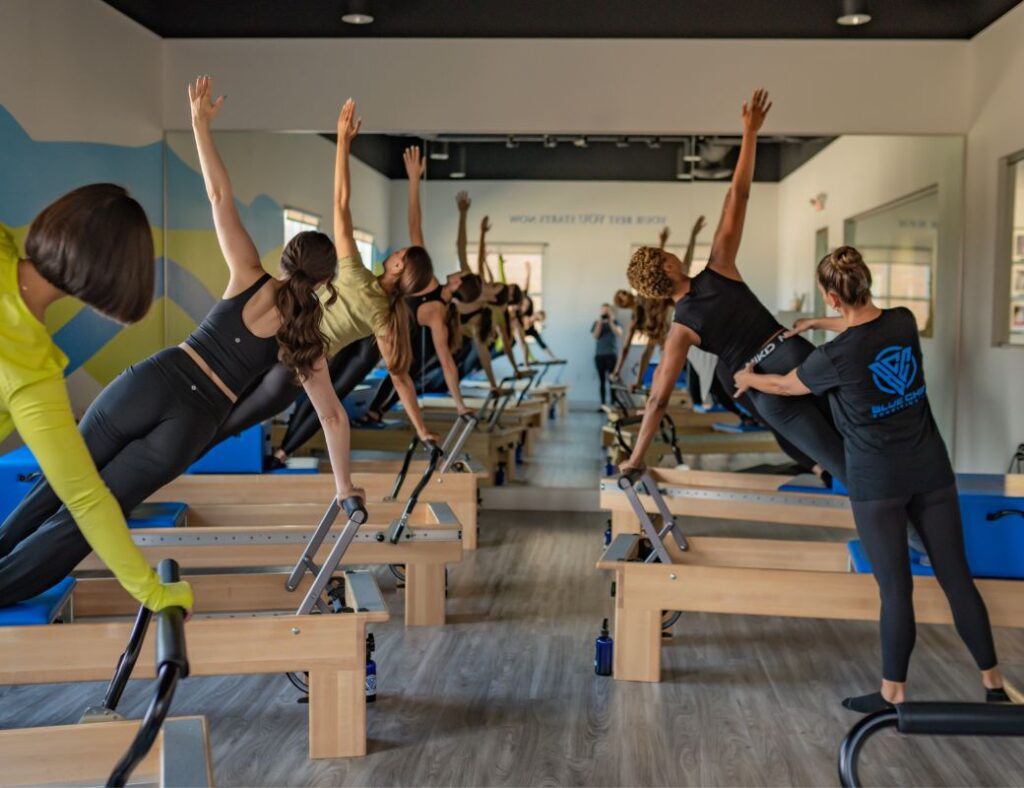
Introduction The way you train can make the difference between being good and being elite in today’s competitive sports environment. Elite athlete development goes far beyond the fundamentals of fitness, general strength, and skill acquisition that are the focus of regular training. It entails a thorough, data-driven, and highly customized strategy designed to maximize athletes’ performance. This article delves into what makes elite programs so special and how they support long-term athletic success, examining the precise distinctions between regular training and elite athlete development. Understanding Regular Training What is Regular Training? Regular training is the standard approach most recreational or amateur athletes follow. It often includes: While beneficial for maintaining health and building foundational fitness, regular training lacks the specialized elements required for high-level competition. Who is Regular Training For? Regular training is suitable for: These individuals typically aim to stay fit, lose weight, or participate in local competitions without the need for intense performance metrics or elite-level goals. Benefits of Regular Training What is Elite Athlete Development? The Core Definition Peak athletic performance is the goal of elite athlete development, a highly specialized, scientific training methodology. It encompasses a comprehensive approach that includes tactical, mental, and physical conditioning in addition to basic fitness. This stage of development is frequently observed in professional sports training settings, collegiate athletic programs, and Olympic preparation. Components of Elite Athlete Development Individualized Training Programs Each athlete receives a program customized to their specific strengths, weaknesses, goals, and sport-specific demands. Performance Testing and Monitoring Sports Psychology Mental toughness and mindset training are integral. Athletes are coached on focus, visualization, and coping mechanisms under pressure. Nutrition and Recovery Elite athletes work closely with sports nutritionists to fine-tune diet plans for optimal energy and recovery. Recovery strategies include: Injury Prevention and Rehabilitation Through functional assessments and corrective exercises, athletes reduce the risk of injury and bounce back faster if injuries occur. Who is Elite Athlete Development For? Key Differences Between Regular Training and Elite Athlete Development Level of Personalization Use of Technology Team of Experts Goal Orientation Time Commitment and Intensity Focus on Recovery The Role of Environment and Culture Training Atmosphere Elite training centers cultivate a performance-driven culture. From locker rooms to training floors, the environment is built to push limits. Accountability and Discipline Elite athletes are held to high standards. Regular feedback, monitoring, and accountability are baked into the process. Continuous Education Athletes and coaches are in a loop of constant learning, adapting to new research, methods, and innovations. The Transition from Regular to Elite Signs You Might Be Ready What to Expect Transitioning involves: Real-Life Examples of Elite Athlete Development Olympic Sprinter Program Tailored biomechanical training and sprint mechanics improve start time and reduce injury. Collegiate Basketball Player Combines agility drills, power development, and sports-specific conditioning over a structured 6-month period. Youth Soccer Prodigy Integrated growth monitoring, technical skill sessions, and nutrition guidance create a roadmap to pro leagues. FAQs What makes elite athlete development different from personal training? The development of elite athletes includes mental conditioning, recovery procedures, performance analytics, and a multidisciplinary team approach. Being the best at your sport is more important than simply looking good. Complete athletic evolution is the focus of programs such as those at Blue chip Conditioning. Can anyone join an elite athlete development program? Yes, in theory, but athletes with clear performance objectives benefit most from these programs. Before creating customized programs, companies such as Blue chip Conditioning evaluate preparedness. Is elite athlete development only for professionals? No. Aspiring athletes, high school prodigies, and college recruits can all benefit from these programs. The goal is to unlock potential, not just sustain it. How long does it take to see results? It varies, but most athletes see measurable improvements in strength, speed, and endurance within 8-12 weeks if they follow the plan diligently. Conclusion In the realm of athletics, training frequently makes the difference between “good enough” and “greatness.” Athlete development makes you a competitor, while consistent training keeps you healthy and active. It is methodical, purposeful, and results-oriented. Consider switching from simple routines to elite programming if you’re prepared to step up your game. You’ll be more equipped to reach your performance objectives with a professional setting, state-of-the-art resources, and knowledgeable coaching. Selecting the appropriate developmental path is essential, and choices such as blue chip conditioning enable elite training to be both accessible and effective. Athlete development can be the game-changer you need, whether your goals are to achieve personal bests, Olympic aspirations, or college scholarships.
What Every Serious Athlete Should Know About Elite Athlete Development Training?
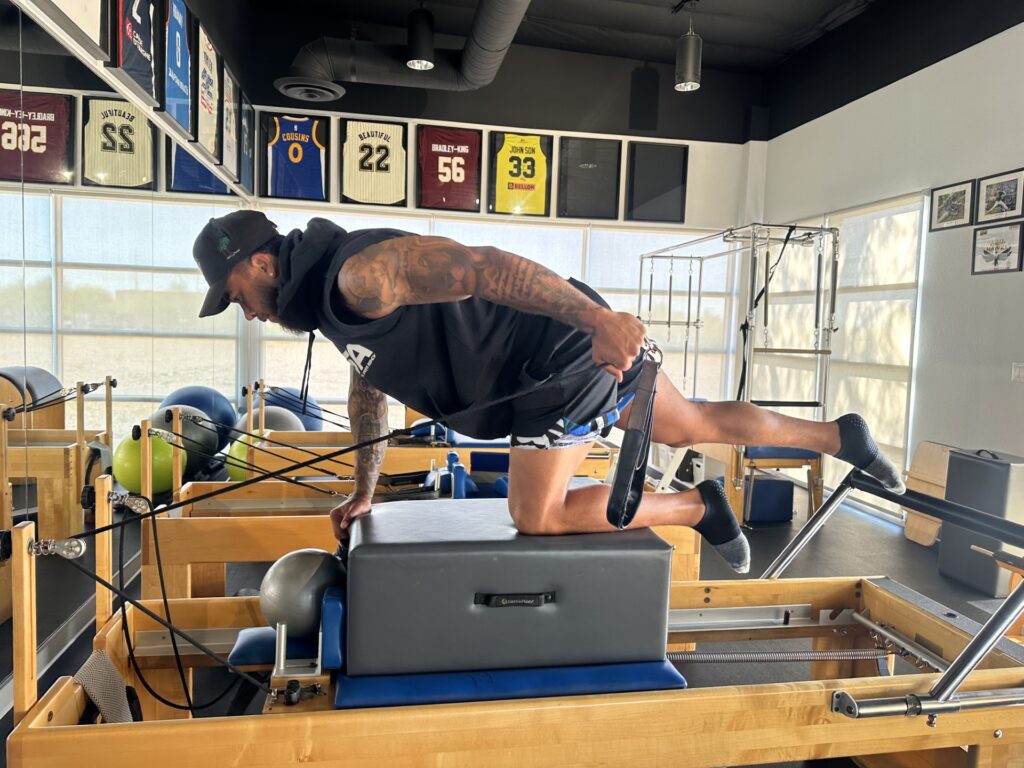
Introduction Elite Athlete Development is the solution, whether you are chasing collegiate scholarships, training for professional sports, or just wanting to maximize your athletic potential. This training is designed to improve every aspect of the athlete’s physical and mental performance by closing the gap between unrefined potential and performance excellence. In this guide, we’ll explore Elite Athlete Development: the fundamental components, why it is important and how to include it in your training plan. What Is Elite Athlete Development? Understanding the Concept Elite Athlete Development is an all-encompassing, evidence-based training protocol developed for serious athletes. It is an integration of sport specific strength, agility, flexibility / mobility, recovery and mental performance strategies. Unlike most off-the-shelf workout programs, Elite Athlete Development considers the unique requirements of the individual, sport specific proficiencies, and long term sustainable athletic development. The Science Behind It There are biomechanics, kinesiology, sports psychology, and more behind this type of training. Coaches have analytics of performance, movement assessments, and the ability to track training progress to help them create adaptive programs that change as the athlete changes. Key Pillars of Elite Athlete Development Customized Strength & Conditioning Programs One size doesn’t fit all in sports. Strength training for a sprinter will differ vastly from that for a basketball player. Programs are tailored to support each athlete’s sport, position, and physical attributes. Agility and Speed Development Quickness and agility are not just innate talents but can also be improved with drills, resistance training, and biomechanical corrections. Elite Athlete Development uses a variety of the latest tools and techniques in the development of quickness and agility. Mobility and Flexibility Training Athletes with tight hips, restricted shoulders, or poor range of motion risk injuries. This pillar focuses on foam rolling, dynamic stretching, and mobility drills that allow for optimal movement patterns. Recovery Protocols Recovery is training. Elite Athlete Development integrates cold plunges, compression therapy, massage, and sleep optimization strategies to support faster recovery and better performance. Mental Performance Coaching Success is 80% mindset. Visualization techniques, performance psychology, and goal-setting workshops are essential for helping athletes stay focused and resilient under pressure. Why Elite Athlete Development Is Non-Negotiable for Serious Athletes Stay Competitive At the elite level, talent alone isn’t enough. You’re competing with athletes who are genetically gifted, highly skilled, and well-coached. Elite Athlete Development ensures you’re optimizing every aspect of your performance. Injury Prevention Athletes often suffer from overuse or preventable injuries. By focusing on mobility, movement mechanics, and recovery, you significantly lower the risk of being sidelined. Longevity in Sport Elite athletes must think long-term. Training smart, not just hard, ensures you’re still performing when it matters most—in championships, trials, or pro tryouts. Choose the Right Facility Not every gym offers what elite athletes need. Look for facilities that provide access to sport-specific equipment, movement assessments, certified coaches, and recovery tools. Work with Certified Coaches Your coach should specialize in Elite Athlete Development. Look for credentials in strength & conditioning (CSCS), functional movement systems (FMS), and performance coaching. Set Clear, Measurable Goals Your program should evolve with your progress. Work with your coach to set short-term and long-term goals—whether it’s improving your vertical, sprint time, or endurance. Track Your Progress Use performance data, videos, and feedback from coaches to track and refine your training over time. Progress tracking is vital for sustained growth. FAQ: Q1: How is Elite Athlete Development different from regular personal training? Elite Athlete Development is highly specialized and tailored to athletes’ sport-specific needs, whereas regular personal training focuses more on general fitness and aesthetics. Q2: At what age should athletes begin Elite Athlete Development? While foundational skills can start early, focused development often begins around ages 12-14 and continues through college or professional careers. Q3: Can Elite Athlete Development help with injury recovery? Yes, many programs include injury rehabilitation and post-rehab training to ensure a safe return to sport. Q4: Do athletes need to train daily? Not necessarily. Effective programs often include 3-5 sessions per week, balanced with recovery and rest days. Conclusion Elite Athlete Development is an area that many aspiring athletes overlook. The goal is not always related to weight lifted or speed; It is fostering an intentional, structured approach to training that is unique to you and your objectives. If you wish to enhance your performance and want to become the best of the best, now is the time to take advantage of a proven program. In this last stage of athletic development, a healthy awareness that a pilates class will help your core strength, posture, and control (all of which are often forgotten, but important aspects of elite performance) also while in the last stages of contact will be of benefit. Regardless of your position whether in an Elite Athlete Development program or considering your future options bear this in mind: champions are developed in training, not in competition. And sometimes a small addition like a pilates class – might just help you move that little bit further.